Dhurandhar: How Much of the Film Is Real, and Why Is Major Mohit Sharma Being Linked to It?
Pragya Paliwal | Fri, 02 Jan 2026
Dhurandhar is a fictional espionage thriller set against a realistic intelligence backdrop, following an undercover operative navigating covert missions and moral conflict. While its grounded tone sparked speculation about links to Major Mohit Sharma, the filmmakers and CBFC have clarified that the story and characters are entirely fictional. Inspired by real geopolitical tensions but not real events, the film explores themes of sacrifice and power through imaginative storytelling.

Dhurandhar
Image credit : ANI
When Dhurandhar was announced as a gritty, high stakes spy thriller, it immediately drew attention for its serious tone and realistic portrayal of covert operations. However, as trailers and promotional material began circulating, the film found itself at the centre of an unexpected controversy. Viewers and commentators started drawing parallels between the protagonist of Dhurandhar and the life of Major Mohit Sharma, a highly decorated Indian Army officer known for his undercover counter terrorism operations.
This sparked a larger debate: Is Dhurandhar based on real events or a real person, or is it purely fictional? And why is Major Mohit Sharma’s name repeatedly associated with the film?
A closer look reveals a layered answer, one that lies between inspiration, perception, and creative liberty.
The makers of Dhurandhar, including director Aditya Dhar, have categorically stated that the film is a work of fiction. According to official clarifications and the Central Board of Film Certification (CBFC), Dhurandhar is not based on the life of any real individual, including Major Mohit Sharma.
Following concerns raised by Sharma’s family, the Delhi High Court asked the CBFC to re-examine the film. After reviewing the content, the board confirmed that the narrative, characters, and events depicted in Dhurandhar are fictional and that appropriate disclaimers are clearly displayed. As a result, the film was allowed to release without alterations related to these allegations.
From a legal and formal standpoint, the case is clear: Dhurandhar does not claim to be a biopic or historical reconstruction.
Despite official denials, public speculation linked the film to Major Mohit Sharma for several reasons.
First, the nature of the protagonist closely resembles the kind of work Sharma was known for deep cover operations, infiltration into hostile networks, psychological endurance, and long periods of anonymity. For viewers familiar with Sharma’s story through books, articles, or documentaries, these similarities felt too specific to ignore.
Second, the timing and tone of the film played a role. Indian cinema has recently seen a surge in realistic military and intelligence-based narratives, many of which are inspired by real heroes. This has conditioned audiences to assume that serious, grounded spy films are often rooted in real lives.
Third, social media speculation amplified the confusion. Unverified posts and commentary began circulating, suggesting that Dhurandhar was a thinly veiled portrayal of Sharma, even though the film’s marketing never made such a claim. Over time, perception began to outweigh fact.
However, director Aditya Dhar publicly clarified that if a biopic on Major Mohit Sharma were ever to be made, it would be done transparently, with consent, and as a respectful tribute, not under the guise of fiction.
![Dhurandhar]() One of the strongest aspects of Dhurandhar is its authentic environment. The film draws from real geopolitical tensions, intelligence frameworks, and terror-related events that India has witnessed over the past few decades. References to major incidents such as terror attacks, cross border threats, and intelligence failures lend the film credibility and emotional weight.
One of the strongest aspects of Dhurandhar is its authentic environment. The film draws from real geopolitical tensions, intelligence frameworks, and terror-related events that India has witnessed over the past few decades. References to major incidents such as terror attacks, cross border threats, and intelligence failures lend the film credibility and emotional weight.
However, these elements function as a backdrop, not as direct recreations. The film does not reenact real missions or portray documented operations. Instead, it constructs a fictional storyline within a world that feels recognisably real.
This technique is common in political thrillers and espionage cinema. By grounding fiction in reality, filmmakers can explore deeper questions of morality, sacrifice, and power without being restricted by historical accuracy or legal constraints.
The protagonist of Dhurandhar is not meant to represent a specific individual. Rather, he is a composite character built from traits commonly found among intelligence operatives: strategic brilliance, emotional restraint, moral conflict, and psychological resilience.
Such characters resonate because they reflect emotional truths, even if their stories are imagined. This is likely why audiences saw echoes of Major Mohit Sharma, not because the film copies his life, but because it portrays the kind of courage and secrecy associated with real operatives like him.
The controversy surrounding Dhurandhar highlights a larger issue in contemporary cinema: the blurred line between realism and representation. In an age where audiences are highly informed, fictional stories inspired by real systems are often mistaken for factual accounts.
At the same time, families of real life heroes are understandably protective of their legacy. Any perceived misrepresentation can feel deeply personal, even when unintended.
Dhurandhar sits at this intersection, a fictional story that feels real enough to provoke emotional and ethical questions.
![Dhurandhar movie]() To summarise clearly:
To summarise clearly:
In doing so, it reminds viewers that while not every powerful story is true, many are inspired by truths far deeper than facts alone.
Unlock insightful tips and inspiration on personal growth, productivity, and well-being. Stay motivated and updated with the latest at My Life XP.
This sparked a larger debate: Is Dhurandhar based on real events or a real person, or is it purely fictional? And why is Major Mohit Sharma’s name repeatedly associated with the film?
A closer look reveals a layered answer, one that lies between inspiration, perception, and creative liberty.
The Official Position: A Fictional Story
Following concerns raised by Sharma’s family, the Delhi High Court asked the CBFC to re-examine the film. After reviewing the content, the board confirmed that the narrative, characters, and events depicted in Dhurandhar are fictional and that appropriate disclaimers are clearly displayed. As a result, the film was allowed to release without alterations related to these allegations.
From a legal and formal standpoint, the case is clear: Dhurandhar does not claim to be a biopic or historical reconstruction.
Why Major Mohit Sharma’s Name Entered the Conversation
First, the nature of the protagonist closely resembles the kind of work Sharma was known for deep cover operations, infiltration into hostile networks, psychological endurance, and long periods of anonymity. For viewers familiar with Sharma’s story through books, articles, or documentaries, these similarities felt too specific to ignore.
Second, the timing and tone of the film played a role. Indian cinema has recently seen a surge in realistic military and intelligence-based narratives, many of which are inspired by real heroes. This has conditioned audiences to assume that serious, grounded spy films are often rooted in real lives.
Third, social media speculation amplified the confusion. Unverified posts and commentary began circulating, suggesting that Dhurandhar was a thinly veiled portrayal of Sharma, even though the film’s marketing never made such a claim. Over time, perception began to outweigh fact.
However, director Aditya Dhar publicly clarified that if a biopic on Major Mohit Sharma were ever to be made, it would be done transparently, with consent, and as a respectful tribute, not under the guise of fiction.
Realistic Backdrop, Fictional Narrative
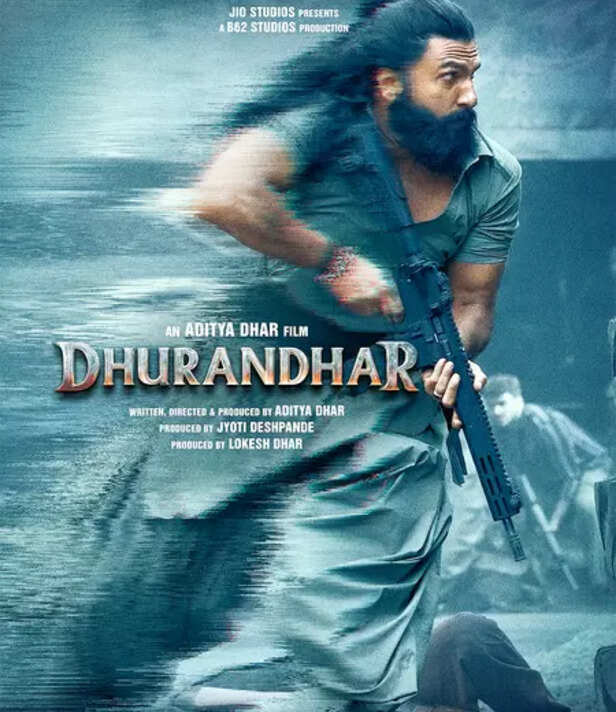
Dhurandhar
Image credit : IANS
However, these elements function as a backdrop, not as direct recreations. The film does not reenact real missions or portray documented operations. Instead, it constructs a fictional storyline within a world that feels recognisably real.
This technique is common in political thrillers and espionage cinema. By grounding fiction in reality, filmmakers can explore deeper questions of morality, sacrifice, and power without being restricted by historical accuracy or legal constraints.
Character Design: Inspired, Not Identical
Such characters resonate because they reflect emotional truths, even if their stories are imagined. This is likely why audiences saw echoes of Major Mohit Sharma, not because the film copies his life, but because it portrays the kind of courage and secrecy associated with real operatives like him.
Why the Debate Matters
At the same time, families of real life heroes are understandably protective of their legacy. Any perceived misrepresentation can feel deeply personal, even when unintended.
Dhurandhar sits at this intersection, a fictional story that feels real enough to provoke emotional and ethical questions.
So, How Much of Dhurandhar Is Real?
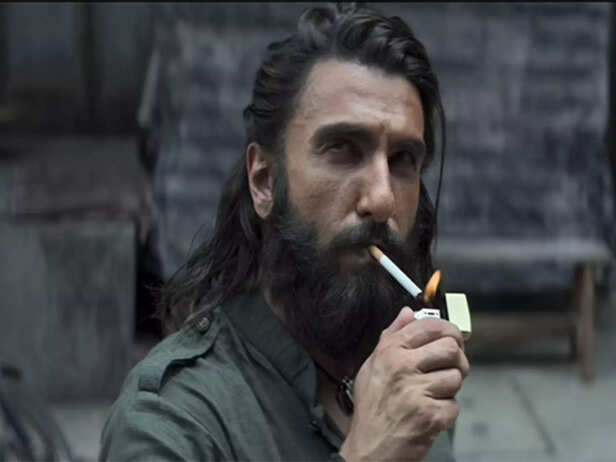
Dhurandhar movie
Image credit : ANI
- The characters are fictional
- The storyline is fictional
- The film is not based on Major Mohit Sharma
- The world and themes are inspired by real intelligence and geopolitical realities
In doing so, it reminds viewers that while not every powerful story is true, many are inspired by truths far deeper than facts alone.
Unlock insightful tips and inspiration on personal growth, productivity, and well-being. Stay motivated and updated with the latest at My Life XP.