Why 'Ikkis' Director Sriram Raghavan Says He Would Never Make a Film Like 'Dhurandhar'
Pragya Paliwal | Jan 02, 2026, 09:18 IST
Sriram Raghavan, director of the upcoming film Ikkis, has stated that while he respects the success and craft of the hit espionage thriller Dhurandhar, it is not the kind of film he would make due to differing creative sensibilities. Speaking ahead of Ikkis’ release, Raghavan emphasized that following the popular spy-thriller format would not align with his artistic voice, even as he applauds the film’s performances and commercial achievements. He continues to focus on his own unique storytelling approach, exploring emotional and real-life narratives rather than mainstream genre templates.

With Ikkis now out in theatres, filmmaker Sriram Raghavan finds himself once again at the centre of a larger conversation about cinematic choices and creative identity. Known for his distinctive approach to thrillers and character driven storytelling, Raghavan recently made headlines for stating that he would never make a film like Dhurandhar, even as the spy thriller continues to enjoy massive commercial success.
His comment is not a critique of Dhurandhar, but rather a reflection of how differently filmmakers approach cinema and why chasing trends is not always the answer.
Raghavan was quick to acknowledge the scale and popularity of Dhurandhar. He openly admitted that the film is doing “spectacularly well” and deserves its success. In an industry where box-office numbers often become the ultimate yardstick, such an admission carries weight.
However, Raghavan firmly distanced himself from the idea of following the same formula. According to him, trying to replicate the success of a film like Dhurandhar would mean abandoning his own sensibilities. “If I start following that format, it would be the silliest thing to do,” he remarked, reinforcing the idea that success does not require imitation.
When Raghavan says Dhurandhar is “not our kind of film,” he is referring to differences in storytelling style rather than quality or intent. Dhurandhar belongs to a genre of large scale espionage dramas that rely on spectacle, heightened emotion, and a strong nationalist narrative. These films are designed for wide appeal and are often driven by scale and impact.
Raghavan’s cinema, on the other hand, has consistently leaned towards psychological complexity, moral ambiguity, and understated tension. Films like Andhadhun, Ek Hasina Thi, and Badlapur thrive on unpredictability rather than spectacle. His protagonists are rarely heroic in the conventional sense; they are flawed, conflicted, and often morally ambiguous.
For Raghavan, adopting the tone and grammar of a blockbuster spy film would mean compromising the core of his storytelling instincts.
![Aditya Dhar]() Despite the clear creative divide, Raghavan spoke respectfully about Dhurandhar director Aditya Dhar. He acknowledged enjoying Dhar’s work and pointed out that every filmmaker brings a distinct sensibility to the screen. The two directors even share a moment of professional camaraderie, having both been honoured at the National Awards for their respective films.
Despite the clear creative divide, Raghavan spoke respectfully about Dhurandhar director Aditya Dhar. He acknowledged enjoying Dhar’s work and pointed out that every filmmaker brings a distinct sensibility to the screen. The two directors even share a moment of professional camaraderie, having both been honoured at the National Awards for their respective films.
Raghavan also referenced the evolution of global thriller franchises, noting that the genre itself has many forms. His point was simple: one successful format does not cancel out others. Diversity, not uniformity, is what keeps cinema alive.
The release of Ikkis further reinforces why Raghavan feels disconnected from films like Dhurandhar. Based on the life of Second Lieutenant Arun Khetarpal, India’s youngest Param Vir Chakra awardee, Ikkis approaches heroism with restraint and emotional depth.
Rather than focusing on grand set pieces, Ikkis explores courage through intimate moments, personal sacrifice, and the human cost of war. Featuring Agastya Nanda in the lead and marking one of the final on-screen appearances of Dharmendra, the film stays true to Raghavan’s preference for grounded, character centric narratives.
The contrast between Ikkis and Dhurandhar highlights the filmmaker’s belief that patriotism and bravery can be portrayed in multiple ways, not all of them loud or larger than life.
Raghavan’s statement also resonates within a larger industry context. As Bollywood increasingly gravitates toward franchise films and high return formulas, the pressure to replicate success has intensified. In such a climate, choosing not to follow a dominant trend becomes an act of resistance.
By openly stating that he would never make a film like Dhurandhar, Raghavan is advocating for creative individuality. His stance suggests that cinema should remain a space where different voices coexist, rather than converge into a single commercially approved style.
![Aditya Dhar]() Ultimately, Raghavan’s comments are not about rejecting a particular genre, but about protecting his artistic identity. With Ikkis now part of his filmography, he continues to demonstrate that success can also come from staying true to one’s voice, even when it runs counter to prevailing trends.
Ultimately, Raghavan’s comments are not about rejecting a particular genre, but about protecting his artistic identity. With Ikkis now part of his filmography, he continues to demonstrate that success can also come from staying true to one’s voice, even when it runs counter to prevailing trends.
As audiences engage with both Dhurandhar and Ikkis, the conversation they generate serves as a reminder that Indian cinema thrives not on sameness, but on the creative freedom to tell stories in many different ways and on filmmakers like Sriram Raghavan who refuse to compromise that freedom.
Unlock insightful tips and inspiration on personal growth, productivity, and well-being. Stay motivated and updated with the latest at My Life XP.
His comment is not a critique of Dhurandhar, but rather a reflection of how differently filmmakers approach cinema and why chasing trends is not always the answer.
Acknowledging Success Without Chasing It
However, Raghavan firmly distanced himself from the idea of following the same formula. According to him, trying to replicate the success of a film like Dhurandhar would mean abandoning his own sensibilities. “If I start following that format, it would be the silliest thing to do,” he remarked, reinforcing the idea that success does not require imitation.
What ‘Not Our Kind of Film’ Really Means
Raghavan’s cinema, on the other hand, has consistently leaned towards psychological complexity, moral ambiguity, and understated tension. Films like Andhadhun, Ek Hasina Thi, and Badlapur thrive on unpredictability rather than spectacle. His protagonists are rarely heroic in the conventional sense; they are flawed, conflicted, and often morally ambiguous.
For Raghavan, adopting the tone and grammar of a blockbuster spy film would mean compromising the core of his storytelling instincts.
Mutual Respect Between Filmmakers

Aditya Dhar
Raghavan also referenced the evolution of global thriller franchises, noting that the genre itself has many forms. His point was simple: one successful format does not cancel out others. Diversity, not uniformity, is what keeps cinema alive.
How Ikkis Reflects Raghavan’s Philosophy
Rather than focusing on grand set pieces, Ikkis explores courage through intimate moments, personal sacrifice, and the human cost of war. Featuring Agastya Nanda in the lead and marking one of the final on-screen appearances of Dharmendra, the film stays true to Raghavan’s preference for grounded, character centric narratives.
The contrast between Ikkis and Dhurandhar highlights the filmmaker’s belief that patriotism and bravery can be portrayed in multiple ways, not all of them loud or larger than life.
A Broader Industry Conversation
By openly stating that he would never make a film like Dhurandhar, Raghavan is advocating for creative individuality. His stance suggests that cinema should remain a space where different voices coexist, rather than converge into a single commercially approved style.
Staying True to One’s Voice
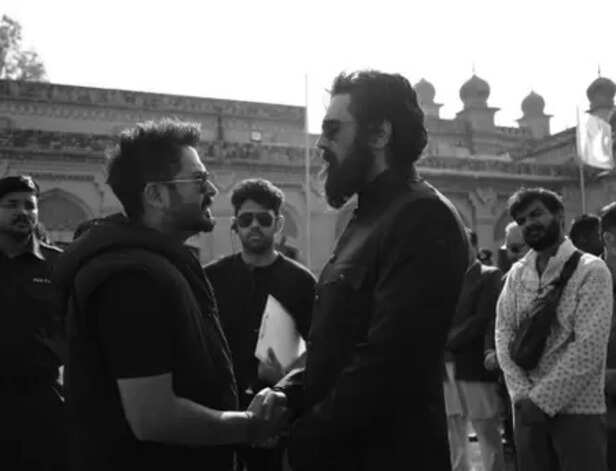
Aditya Dhar
As audiences engage with both Dhurandhar and Ikkis, the conversation they generate serves as a reminder that Indian cinema thrives not on sameness, but on the creative freedom to tell stories in many different ways and on filmmakers like Sriram Raghavan who refuse to compromise that freedom.
Unlock insightful tips and inspiration on personal growth, productivity, and well-being. Stay motivated and updated with the latest at My Life XP.