The Epstein Files Explained: What Is Verified, What Remains Unclear
Pragya Paliwal | 29ec 29, 2025, 17:00 IST
The resurfacing of the Epstein files has reignited global interest, speculation, and debate around one of the most disturbing abuse cases in recent history. This article clearly explains what information about the Epstein case is verified through court documents and investigations, what allegations remain unproven or legally unresolved, and why misinformation continues to circulate online. By separating established facts from assumptions and conspiracy-driven narratives, the piece highlights the importance of responsible journalism, legal caution, and survivor-centric reporting in understanding the true significance of the Epstein files.

Jeffrey Epstein
Image credit : AP
In late 2025, after years of anticipation and public debate, a large tranche of previously sealed documents related to Jeffrey Epstein’s criminal network was released by the U.S. Department of Justice (DOJ). This wave of disclosures, often referred to as the Epstein files, reignited global interest in a case that exposed sexual exploitation and systemic failures. But alongside renewed curiosity, the release has also highlighted how easily misinformation can spread when context is missing.
To understand the Epstein files properly, it is essential to separate legally verified facts from allegations, speculation, and viral misinterpretations.
Jeffrey Epstein, a wealthy financier with extensive social connections, was arrested in July 2019 on federal charges of sex trafficking of minors. Multiple survivors came forward with sworn testimonies, and court records confirmed that Epstein had engaged in sexual abuse of underage girls over many years. These abuses occurred in locations including his homes in New York and Florida, as well as his private island in the U.S. Virgin Islands.
A pivotal moment in Epstein’s legal history was a controversial plea deal in 2008, which allowed him to plead guilty to lesser state charges and avoid significant federal prison time. Legal analysts and advocates have since cited this agreement as an example of how privilege and negotiation can shape outcomes for powerful defendants.
Epstein died in custody in August 2019, with authorities ruling his death a suicide. Investigations after his death uncovered serious lapses in prison oversight, but there is no legally verified evidence of third‑party interference or a broader criminal conspiracy involving his death.
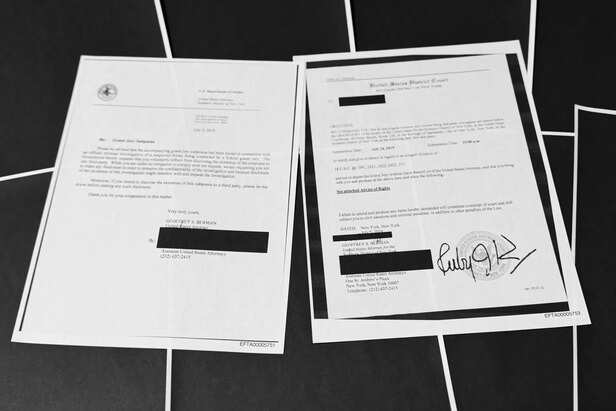
![Epstein files]() The term Epstein files refers to a vast collection of court documents, investigative materials, photos, emails, flight logs, and depositions connected to Epstein and his associate Ghislaine Maxwell, who was convicted in 2021 of aiding his abuse network. In November 2025, the Epstein Files Transparency Act was passed unanimously by the U.S. Congress, requiring the DOJ to release all unclassified documents in its possession related to Epstein and Maxwell by a set deadline.
The term Epstein files refers to a vast collection of court documents, investigative materials, photos, emails, flight logs, and depositions connected to Epstein and his associate Ghislaine Maxwell, who was convicted in 2021 of aiding his abuse network. In November 2025, the Epstein Files Transparency Act was passed unanimously by the U.S. Congress, requiring the DOJ to release all unclassified documents in its possession related to Epstein and Maxwell by a set deadline.
In December 2025, the DOJ began publishing these files online, including thousands of pages of court filings, investigative notes, and photographs from Epstein’s properties and social life.
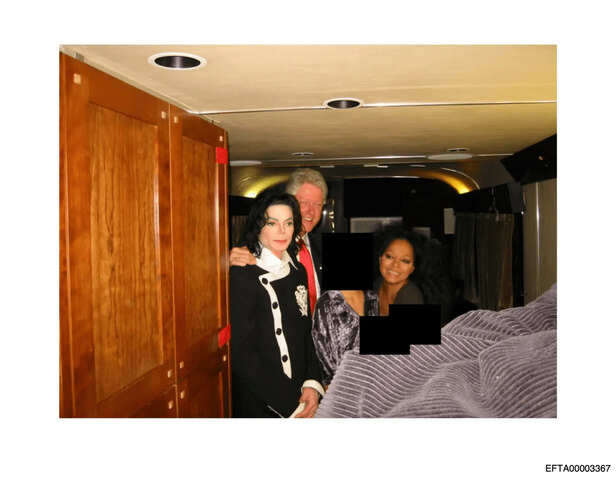
![Takeaways from the US Justice Department's initial release of Epstein files, mandated by Congress]() One of the aspects that drew immediate attention was the inclusion of photographs showing Epstein with well known figures. Images included Epstein at social events with individuals such as former U.S. President Bill Clinton and entertainers like Michael Jackson and Mick Jagger, among others.
One of the aspects that drew immediate attention was the inclusion of photographs showing Epstein with well known figures. Images included Epstein at social events with individuals such as former U.S. President Bill Clinton and entertainers like Michael Jackson and Mick Jagger, among others.
Other releases included photos showing Epstein in social settings with prominent figures including Bill Gates, Noam Chomsky, and others, often in informal environments with no clear indication of context.
Critically, being pictured with Epstein, even in previously unreleased DOJ materials, does not legally imply involvement in his criminal activity. Many of the photos were taken in social or public contexts long before Epstein’s crimes were known, and subject‑matter experts emphasise that association is not evidence of participation in wrongdoing.
The release of the Epstein files has been controversial not just for what was shown, but for what remains obscured. A significant portion of the documents is heavily redacted, with entire pages or sections blacked out to protect victim identities or sensitive information, making much of the content difficult to interpret clearly.
In several instances, files that briefly appeared on the DOJ’s public website were later removed without official explanation, including a photo that briefly showed former President Donald Trump alongside Epstein and Ghislaine Maxwell. Lawmakers demanded clarification, raising concerns about transparency and selective disclosure.
These developments highlight that even the latest releases offer only a partial view of the underlying investigations. With thousands of pages still withheld or redacted, many legal questions remain unresolved.
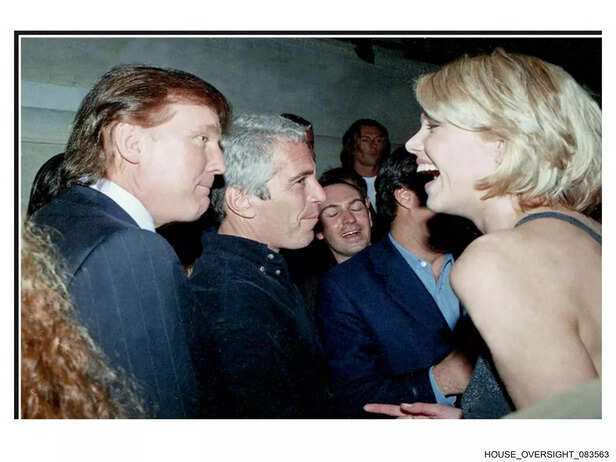
![Epstein files]() The combination of incomplete releases, redactions, and sensational images has created fertile ground for speculation. On social media, unverified or loosely sourced images have circulated widely, sometimes misattributed to the recent official releases, feeding conspiracy‑driven narratives. Fact checkers warn that viral images without verified provenance should not be treated as evidence.
The combination of incomplete releases, redactions, and sensational images has created fertile ground for speculation. On social media, unverified or loosely sourced images have circulated widely, sometimes misattributed to the recent official releases, feeding conspiracy‑driven narratives. Fact checkers warn that viral images without verified provenance should not be treated as evidence.
This environment underscores how absence of context can transform curiosity into misinformation. A photo showing a social setting, when stripped of time, place, and relevance, can generate unfounded assumptions about guilt or involvement.
The Epstein files exemplify the ethical challenges facing journalists in the digital age. Reporting on abuse cases demands sensitivity to survivors, accuracy in citing legal status, and restraint in interpreting associations. Ethical coverage does not conflate social interactions with criminal conduct, nor does it amplify unverified claims.
Responsible journalism focuses on what is legally established, what remains unclear, and why transparency, even if imperfect, matters. It also recognises the harm that uncontextualised speculation can do to individuals and public understanding.
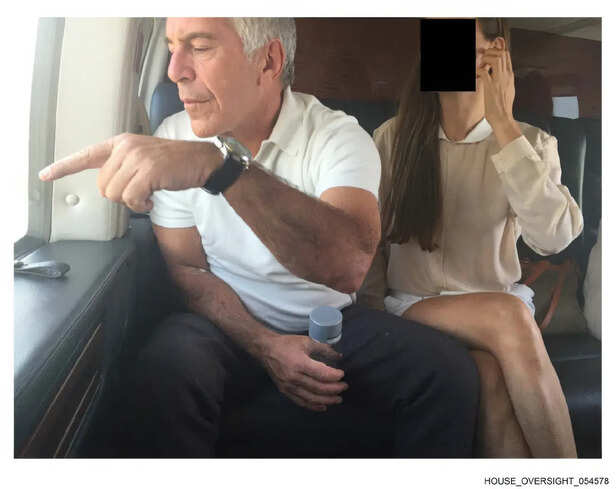
![Justice Department begins releasing long-awaited files tied to Epstein case]() The significance of the Epstein files lies not in sensational leaks or unverified images, but in what they reveal about power, privilege, and systemic oversight. They highlight how wealthy individuals operated within elite circles, sometimes alongside influential figures, and why legal accountability for such cases is both complicated and crucial.
The significance of the Epstein files lies not in sensational leaks or unverified images, but in what they reveal about power, privilege, and systemic oversight. They highlight how wealthy individuals operated within elite circles, sometimes alongside influential figures, and why legal accountability for such cases is both complicated and crucial.
Understanding the Epstein case responsibly, grounded in verified facts and cautious interpretation is essential for informed public discourse. It calls for greater transparency in legal systems, stronger protections for survivors, and media coverage that prioritises truth over virality.
Unlock insightful tips and inspiration on personal growth, productivity, and well-being. Stay motivated and updated with the latest at My Life XP.
To understand the Epstein files properly, it is essential to separate legally verified facts from allegations, speculation, and viral misinterpretations.
What Is Verified: Epstein’s Crimes and Legal History
A pivotal moment in Epstein’s legal history was a controversial plea deal in 2008, which allowed him to plead guilty to lesser state charges and avoid significant federal prison time. Legal analysts and advocates have since cited this agreement as an example of how privilege and negotiation can shape outcomes for powerful defendants.
Epstein died in custody in August 2019, with authorities ruling his death a suicide. Investigations after his death uncovered serious lapses in prison oversight, but there is no legally verified evidence of third‑party interference or a broader criminal conspiracy involving his death.
The Epstein Files: What They Are
Epstein files
Image credit : AP
In December 2025, the DOJ began publishing these files online, including thousands of pages of court filings, investigative notes, and photographs from Epstein’s properties and social life.
Photos and High Profile Names: What the Files Show
Takeaways from the US Justice Department's initial release of Epstein files, mandated by Congress
Image credit : AP
Other releases included photos showing Epstein in social settings with prominent figures including Bill Gates, Noam Chomsky, and others, often in informal environments with no clear indication of context.
Critically, being pictured with Epstein, even in previously unreleased DOJ materials, does not legally imply involvement in his criminal activity. Many of the photos were taken in social or public contexts long before Epstein’s crimes were known, and subject‑matter experts emphasise that association is not evidence of participation in wrongdoing.
Missing and Redacted Material: What We Still Don’t Know
In several instances, files that briefly appeared on the DOJ’s public website were later removed without official explanation, including a photo that briefly showed former President Donald Trump alongside Epstein and Ghislaine Maxwell. Lawmakers demanded clarification, raising concerns about transparency and selective disclosure.
These developments highlight that even the latest releases offer only a partial view of the underlying investigations. With thousands of pages still withheld or redacted, many legal questions remain unresolved.
Why Misinformation Spreads
Epstein files
Image credit : ANI
This environment underscores how absence of context can transform curiosity into misinformation. A photo showing a social setting, when stripped of time, place, and relevance, can generate unfounded assumptions about guilt or involvement.
The Role of Media and Ethical Reporting
Responsible journalism focuses on what is legally established, what remains unclear, and why transparency, even if imperfect, matters. It also recognises the harm that uncontextualised speculation can do to individuals and public understanding.
Why the Epstein Files Still Matter
Justice Department begins releasing long-awaited files tied to Epstein case
Image credit : AP
Understanding the Epstein case responsibly, grounded in verified facts and cautious interpretation is essential for informed public discourse. It calls for greater transparency in legal systems, stronger protections for survivors, and media coverage that prioritises truth over virality.
Unlock insightful tips and inspiration on personal growth, productivity, and well-being. Stay motivated and updated with the latest at My Life XP.