The Night Karma Changed Everything in Mahabharata
Noopur Kumari | Tue, 21 Apr 2026
In the Mahabharata, destiny was not decided only on the battlefield it was shaped in silent moments. One such turning point came when choices driven by anger, revenge, and ego altered the balance of karma. Characters like Duryodhana and Ashwatthama made decisions that seemed small in the moment but carried irreversible consequences. This article reveals how one silent night shifted the direction of dharma and why karma often changes when no one is watching.

One Silent Night That Rewrote All Karma
Image credit : ChatGPT(AI)
Some changes don’t happen loudly. They don’t come with warning or noise. They happen in silence. And by the time you realize it everything is already different. In the story of the Mahabharata, there was one such night. No big war. No loud victory. Just decisions emotions and actions taken in darkness. But that night quietly shifted karma for everyone. And the consequences? They shaped the future forever.
![The Calm Before Consequences”]()
In the Mahabharata, not every turning point happened in battle. Some of the biggest decisions were made in silence. That night, there were no witnesses, no applause only thoughts turning into actions. When people believe no one is watching, their true nature appears. This is where karma begins to shift. Because karma is not created in public moments it is formed in private choices. That night proved one truth: silence is not empty. It is often where the most powerful changes begin.
![“Revenge in the Darkness”]()
After the fall of Duryodhana, anger consumed Ashwatthama. That night, he made a decision that would change everything. Instead of facing enemies in daylight, he attacked in the darkness. It was not just an act of war it was a shift in dharma. This moment showed how emotions can overpower wisdom. And once crossed, certain lines cannot be undone. That single night turned his fate permanently, proving how quickly karma can change direction.
![Invisible Justice at Work”]()
Karma does not need witnesses. It does not wait for the right time or place. In the Mahabharata, the consequences of that night did not appear instantly but they were inevitable. Every action carries energy, and that energy returns. This is the law that governs everything. That night was a reminder that even in darkness, nothing is hidden from karma. What feels like a small decision can create a lasting impact. And once the cycle begins, it cannot be stopped.
Most people think big moments define life. But the Mahabharata shows something deeper small, unseen decisions matter more. That night was not about power or victory. It was about choice. And that choice changed everything. This reflects our own lives. The way we act when no one is watching shapes our future more than anything else. That is the real lesson. Because karma is not watching what you show the world it is responding to what you truly are.
The story of that night teaches one powerful habit pause before action. When emotions rise, decisions become dangerous. Instead of reacting instantly, create space. Think clearly. Ask yourself if the action aligns with your values. Because once done, it cannot be taken back. Karma responds not to intention, but to action. This simple awareness can change everything. It turns unconscious reactions into conscious choices. And that is how you take control of your destiny.
Unlock insightful tips and inspiration on personal growth, productivity, and well-being. Stay motivated and updated with the latest at My Life XP.
1. Which “night” in the Mahabharata changed karma the most?
The night often linked to a major karmic shift is when Ashwatthama attacked the sleeping camp after the fall of Duryodhana. This act, driven by anger and revenge, crossed the boundaries of dharma and led to irreversible consequences for him.
2. Why is this night considered so important?
Because it shows that destiny is not shaped only in big battles. In the Mahabharata, this moment proves that one emotional decision can permanently change karma, even without witnesses or public recognition.
3. What lesson does Ashwatthama’s action teach?
Ashwatthama teaches that actions taken in anger can destroy years of discipline and honor. His decision reflects how losing control in one moment can create lifelong consequences.
4. Does karma really work even when no one is watching?
Yes. The core idea of karma is that every action creates a reaction, regardless of whether others see it or not. The Mahabharata emphasizes that nothing is hidden from the law of karma.
WHEN SILENCE HIDES BIG DECISIONS
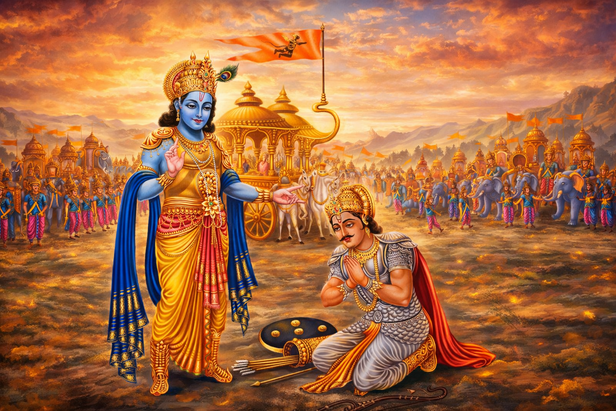
The Calm Before Consequences”
Image credit : ChatGPT(AI)
In the Mahabharata, not every turning point happened in battle. Some of the biggest decisions were made in silence. That night, there were no witnesses, no applause only thoughts turning into actions. When people believe no one is watching, their true nature appears. This is where karma begins to shift. Because karma is not created in public moments it is formed in private choices. That night proved one truth: silence is not empty. It is often where the most powerful changes begin.
THE NIGHT OF ASHWATTHAMA
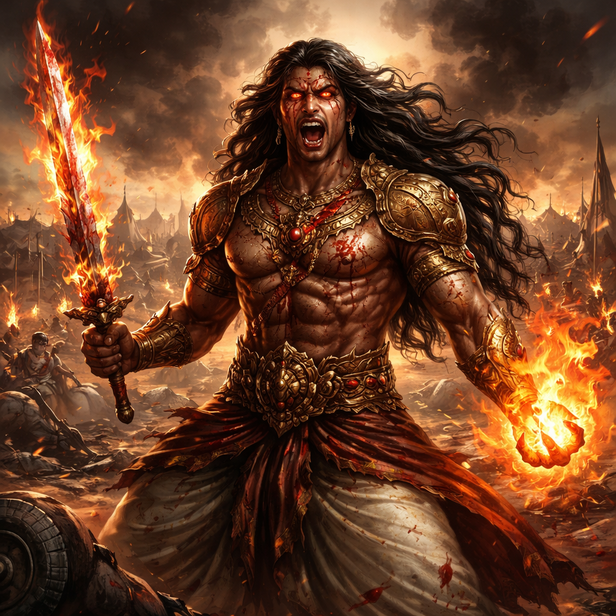
“Revenge in the Darkness”
Image credit : CHATGPT(AI)
After the fall of Duryodhana, anger consumed Ashwatthama. That night, he made a decision that would change everything. Instead of facing enemies in daylight, he attacked in the darkness. It was not just an act of war it was a shift in dharma. This moment showed how emotions can overpower wisdom. And once crossed, certain lines cannot be undone. That single night turned his fate permanently, proving how quickly karma can change direction.
KARMA DOESN’T WAIT FOR DAYLIGHT
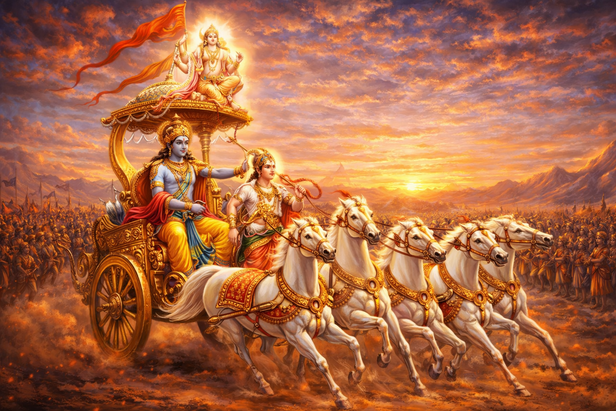
Invisible Justice at Work”
Image credit : ChatGPT (AI)
Karma does not need witnesses. It does not wait for the right time or place. In the Mahabharata, the consequences of that night did not appear instantly but they were inevitable. Every action carries energy, and that energy returns. This is the law that governs everything. That night was a reminder that even in darkness, nothing is hidden from karma. What feels like a small decision can create a lasting impact. And once the cycle begins, it cannot be stopped.
A LESSON MOST PEOPLE IGNORE
WHAT YOU CAN DO DIFFERENTLY
Unlock insightful tips and inspiration on personal growth, productivity, and well-being. Stay motivated and updated with the latest at My Life XP.
Frequently Asked Questions (FAQs)
The night often linked to a major karmic shift is when Ashwatthama attacked the sleeping camp after the fall of Duryodhana. This act, driven by anger and revenge, crossed the boundaries of dharma and led to irreversible consequences for him.
2. Why is this night considered so important?
Because it shows that destiny is not shaped only in big battles. In the Mahabharata, this moment proves that one emotional decision can permanently change karma, even without witnesses or public recognition.
3. What lesson does Ashwatthama’s action teach?
Ashwatthama teaches that actions taken in anger can destroy years of discipline and honor. His decision reflects how losing control in one moment can create lifelong consequences.
4. Does karma really work even when no one is watching?
Yes. The core idea of karma is that every action creates a reaction, regardless of whether others see it or not. The Mahabharata emphasizes that nothing is hidden from the law of karma.