The Psychology Behind Why Everyone Wants to Look “Old Money” Online
Palak Khanna | May 30, 2026, 18:00 IST
From beige outfits and pearl necklaces to quiet luxury interiors and European summer aesthetics, the internet has become obsessed with looking “old money.” Across Instagram, Pinterest, and TikTok, people are curating lives that appear polished, inherited, and effortlessly wealthy. But this trend is not only about fashion. It reflects something deeper about identity, insecurity, aspiration, and social status in the digital age. The rise of the old money aesthetic reveals how modern people crave stability, elegance, and belonging in a world driven by chaos and constant comparison.

A few years ago, luxury online looked loud. Designer logos were everywhere. Expensive cars filled Instagram feeds. Influencers showed giant shopping hauls and over-the-top vacations. Wealth was meant to be seen. Now, the internet wants something different. Suddenly, everyone is wearing linen shirts, muted colors, loafers, gold watches, and “clean girl” makeup. Homes are styled with vintage books, candles, wooden furniture, and soft lighting. Social media feeds look calm, curated, and inherited. The internet calls it “old money.” The fascination with this aesthetic has exploded across fashion, lifestyle, and even personality trends. But behind the polished photos lies an interesting psychological shift. People are not just trying to look rich anymore. They are trying to look emotionally secure, untouchable, educated, and timeless. In many ways, the old money trend says more about modern anxiety than wealth itself.
Social media turned everyday life into performance. People constantly compare their appearance, lifestyle, travel, relationships, and success with strangers online. This endless comparison created pressure to appear successful even when reality feels uncertain. The old money aesthetic became powerful because it signals a kind of wealth that looks calm rather than desperate. Unlike flashy luxury culture, old money style suggests that the person does not need validation. The clothes are simple. The homes are elegant without trying too hard. The body language looks relaxed. Everything appears effortless. Psychologically, this matters. Humans are naturally drawn toward signals of stability and control. In uncertain times, aesthetics that communicate emotional security become attractive. Looking “old money” online allows people to project a version of themselves that feels composed and socially respected. Even if it is carefully staged.
![The Soft Power of Quiet Luxury]()
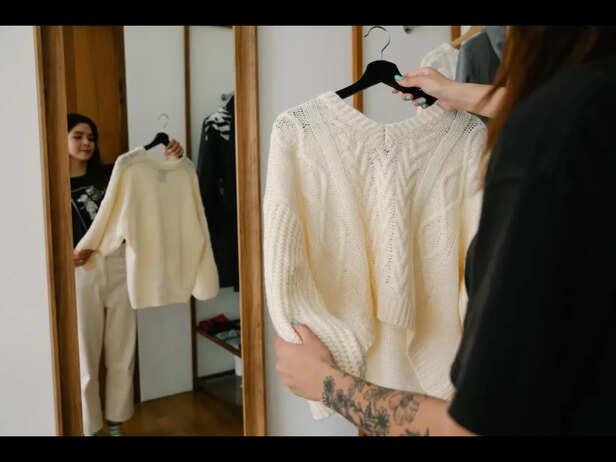
One major reason this trend exploded is because luxury itself has changed. People increasingly associate loud displays of wealth with insecurity. Meanwhile, understated elegance now feels more intelligent and refined. A plain cashmere sweater with no logo suddenly looks more powerful than a heavily branded outfit. Minimalism became a status symbol because only people with confidence appear comfortable being subtle. This idea connects strongly with psychology. Research on social perception often shows that people admire individuals who appear secure without needing attention. Quiet confidence is usually interpreted as higher status than obvious self-promotion. That is exactly why the old money aesthetic works online. It creates the illusion that wealth is so normal to the person that they no longer need to prove it. The irony is that many people copying the trend are not wealthy at all. But the internet rewards appearances more than reality. If someone can create the visual language of elegance, followers often associate them with sophistication and success.
Modern life feels unstable for many young people. Housing costs are rising. Career paths feel uncertain. Relationships are changing. Burnout is common. Social media is constantly reminding people of what they lack. In this environment, old money aesthetics feel emotionally comforting. The visuals associated with the trend often include traditions, family homes, libraries, gardens, handwritten notes, slow mornings, tennis courts, and vintage culture. These images create a fantasy of order and continuity. Psychologically, nostalgia has always helped people cope with uncertainty. Even if someone never actually grew up in wealth, the aesthetic creates emotional escapism. It allows people to imagine a life untouched by financial stress, online chaos, or modern instability. That fantasy becomes addictive online. People are not only consuming the aesthetic because it looks beautiful. They are consuming it because it represents emotional safety.
![Luxury that looks effortless]()
Fashion trends are rarely only about clothes. They are about identity. The old money trend gives people a social character to step into online. It offers a ready-made personality that feels cultured, disciplined, intelligent, attractive, and respected. For many users, especially younger audiences, this aesthetic becomes a form of self-reinvention. Someone who feels insecure in real life may feel more confident presenting themselves through curated visuals online. Social media allows people to build idealized versions of themselves, and the old money persona is one of the most admired identities right now. There is also a strong belonging factor. Humans naturally want to feel accepted within desirable groups. Online communities built around old money fashion, books, etiquette, skincare, and luxury routines create a sense of shared identity. People begin copying not just the style, but the behaviors, vocabulary, hobbies, and attitudes connected to it. The aesthetic becomes social currency.
![The Fantasy of Timeless Elegance]()
One uncomfortable truth behind the trend is that algorithms reward visual aspiration. Platforms like Instagram and TikTok push content that looks polished, peaceful, and luxurious. Calm aesthetics perform well because they trigger admiration and emotional desire. Old money content fits perfectly into this system. Soft music, expensive-looking interiors, tailored outfits, luxury cafes, and elegant routines are highly shareable because they create aspiration within seconds. The problem is that this can blur reality. Many creators carefully stage these lifestyles through rented spaces, selective editing, or temporary experiences. Yet audiences still emotionally respond to the illusion because the brain processes visual status cues very quickly. Over time, people begin associating aesthetic appearance with personal worth. That creates pressure to constantly maintain a curated image online. Ironically, a trend centered around effortless elegance often requires intense effort behind the scenes.
The internet’s obsession with looking old money is not simply about wealth or fashion. It reflects deeper emotional desires. People want stability in uncertain times. They want to appear respected in a world built on comparison. They want beauty that feels timeless rather than temporary. Most importantly, they want to feel emotionally secure, admired, and socially valued. The old money aesthetic succeeds because it sells more than luxury. It sells calmness. In a noisy digital world filled with pressure, speed, and insecurity, that calmness has become one of the most desirable status symbols online. And that may be the real reason everyone wants to look old money now.
Unlock insightful tips and inspiration on personal growth, productivity, and well-being. Stay motivated and updated with the latest at My Life XP.
The Internet Made Status More Competitive Than Ever
Quiet Luxury Feels More Sophisticated Than Flashy Wealth
The Soft Power of Quiet Luxury
One major reason this trend exploded is because luxury itself has changed. People increasingly associate loud displays of wealth with insecurity. Meanwhile, understated elegance now feels more intelligent and refined. A plain cashmere sweater with no logo suddenly looks more powerful than a heavily branded outfit. Minimalism became a status symbol because only people with confidence appear comfortable being subtle. This idea connects strongly with psychology. Research on social perception often shows that people admire individuals who appear secure without needing attention. Quiet confidence is usually interpreted as higher status than obvious self-promotion. That is exactly why the old money aesthetic works online. It creates the illusion that wealth is so normal to the person that they no longer need to prove it. The irony is that many people copying the trend are not wealthy at all. But the internet rewards appearances more than reality. If someone can create the visual language of elegance, followers often associate them with sophistication and success.
People Are Romanticizing Stability in a Chaotic World
The Trend Is Also About Identity and Belonging
Luxury that looks effortless
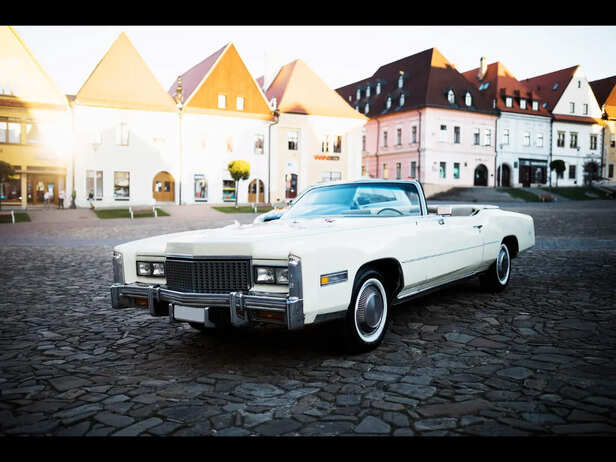
Fashion trends are rarely only about clothes. They are about identity. The old money trend gives people a social character to step into online. It offers a ready-made personality that feels cultured, disciplined, intelligent, attractive, and respected. For many users, especially younger audiences, this aesthetic becomes a form of self-reinvention. Someone who feels insecure in real life may feel more confident presenting themselves through curated visuals online. Social media allows people to build idealized versions of themselves, and the old money persona is one of the most admired identities right now. There is also a strong belonging factor. Humans naturally want to feel accepted within desirable groups. Online communities built around old money fashion, books, etiquette, skincare, and luxury routines create a sense of shared identity. People begin copying not just the style, but the behaviors, vocabulary, hobbies, and attitudes connected to it. The aesthetic becomes social currency.
Social Media Rewards Aesthetics More Than Authenticity
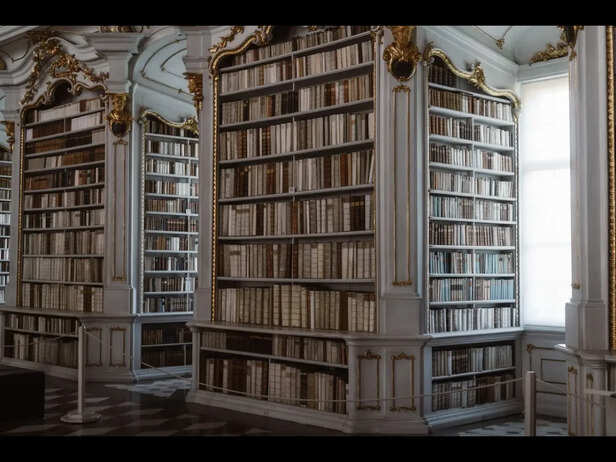
The Fantasy of Timeless Elegance
One uncomfortable truth behind the trend is that algorithms reward visual aspiration. Platforms like Instagram and TikTok push content that looks polished, peaceful, and luxurious. Calm aesthetics perform well because they trigger admiration and emotional desire. Old money content fits perfectly into this system. Soft music, expensive-looking interiors, tailored outfits, luxury cafes, and elegant routines are highly shareable because they create aspiration within seconds. The problem is that this can blur reality. Many creators carefully stage these lifestyles through rented spaces, selective editing, or temporary experiences. Yet audiences still emotionally respond to the illusion because the brain processes visual status cues very quickly. Over time, people begin associating aesthetic appearance with personal worth. That creates pressure to constantly maintain a curated image online. Ironically, a trend centered around effortless elegance often requires intense effort behind the scenes.
The “Old Money” Trend Is Really About Emotional Security
Unlock insightful tips and inspiration on personal growth, productivity, and well-being. Stay motivated and updated with the latest at My Life XP.