Was Karna Really Greater Than Arjuna? The Truth Revealed
Deepak Rajeev | Sat, 04 Apr 2026

Karna vs Arjuna: The Truth No One Talks About (Image Credit: AI)
There are some questions in the Mahabharata that refuse to fade with time. Among them, one stands above the rest- was Karna greater than Arjuna? It is a debate that continues across generations, not just because of their unmatched skill as warriors, but because of what they represent. One stands for discipline, divine guidance and rightful duty. The other stands for pain, loyalty and silent suffering. This is not just a comparison of strength. It is a comparison of two completely different ways of living- and that is what makes the answer far more complex than it seems.
Two Warriors, Two Completely Different Lives
![Krishna and Arjuna (Image Credit: AI)]() At first glance, Karna and Arjuna appear equal. Both were extraordinary archers. Both were born to Kunti. Both were destined to stand on opposite sides of the same war. But their lives could not have been more different.
At first glance, Karna and Arjuna appear equal. Both were extraordinary archers. Both were born to Kunti. Both were destined to stand on opposite sides of the same war. But their lives could not have been more different.
Arjuna was raised as a prince, trained by the greatest teachers like Dronacharya and guided by divine forces throughout his life. He had access to knowledge, weapons and support that few could ever dream of. Karna, on the other hand, was born with greatness but abandoned at birth, raised in a charioteer’s household and forced to fight for recognition at every step. His life was shaped not by privilege, but by rejection.
This contrast is crucial. Because the question of “who was greater” is not just about what they achieved- it is about what they had to overcome to achieve it.
![Karna During Mahabharata War (Image Credit: AI)]() There are strong arguments that suggest Karna’s raw potential may have been equal to- or even greater than- Arjuna’s. Some analyses of the Mahabharata point out that Karna repeatedly challenged and even overpowered Arjuna in battle situations, with divine intervention often protecting Arjuna from defeat.
There are strong arguments that suggest Karna’s raw potential may have been equal to- or even greater than- Arjuna’s. Some analyses of the Mahabharata point out that Karna repeatedly challenged and even overpowered Arjuna in battle situations, with divine intervention often protecting Arjuna from defeat.
Karna possessed immense natural talent, unmatched courage and a warrior’s instinct that was sharpened by struggle. But his life was also marked by limitations- curses that caused him to forget crucial knowledge at critical moments, the loss of his divine armour and the constant burden of fate working against him.
In a purely hypothetical world- without curses, without disadvantages- the debate might have leaned more strongly in Karna’s favour. But the Mahabharata is not a story of hypotheticals. It is a story of reality, where circumstances shape outcomes.
![Karna Vs Arjuna (Image Credit: AI)]() Arjuna’s greatness did not come from skill alone. It came from clarity. He was not just a warrior; he was a student of dharma. When he collapsed on the battlefield, overwhelmed by doubt and moral conflict, he did not ignore it. He faced it- and through Krishna’s guidance, transformed it into understanding.
Arjuna’s greatness did not come from skill alone. It came from clarity. He was not just a warrior; he was a student of dharma. When he collapsed on the battlefield, overwhelmed by doubt and moral conflict, he did not ignore it. He faced it- and through Krishna’s guidance, transformed it into understanding.
Arjuna had something Karna never truly received: direction. His actions were aligned with a larger purpose. His strength was supported not just by weapons, but by wisdom. This is why he is often seen as the more complete warrior- not necessarily because he was stronger, but because he was more aligned.
Even in the epic itself, Arjuna is consistently portrayed as a disciplined and focused warrior, guided by duty and higher understanding.
If Arjuna represents clarity, Karna represents conflict. His life is one of the most tragic in the Mahabharata. He knew rejection. He knew humiliation. And yet, he chose loyalty- standing by Duryodhana even when he knew the moral cost of that choice.
This is what makes Karna so powerful as a character. His strength was not just physical- it was emotional. He carried pain without letting it weaken his resolve. He gave away his armour knowing it would cost him his life. He fought a war knowing he might be on the losing side.
Many interpretations describe Karna as one of the most tragic figures in the epic, shaped by rejection and difficult choices rather than clear guidance.
But this is also where the complexity lies. Greatness is not just about loyalty- it is also about the direction of that loyalty. Karna’s strength was undeniable, but his choices tied him to a path that ultimately led to his downfall.
The battle between Karna and Arjuna on the seventeenth day of Kurukshetra is often seen as the ultimate answer to this debate. Arjuna defeats Karna. But the circumstances of that battle are far from simple.
Karna was cursed. His chariot wheel sank. He forgot crucial mantras at the most critical moment. Arjuna, on the other hand, had Krishna guiding him at every step. The victory, therefore, cannot be seen as a simple measure of superiority.
Even modern discussions acknowledge that their rivalry is layered with complexity, where both warriors represent different strengths rather than a clear hierarchy.
The truth, when seen clearly, is not as uncertain as it often seems. If greatness is measured in terms of battlefield skill, discipline and alignment with dharma, Arjuna stands ahead. He was not only a master archer but also a warrior guided by clarity, purpose and divine wisdom. His actions were rooted in understanding, and in the end, he fulfilled his role in restoring balance.
Karna, however, represents a different kind of greatness- one that is not defined by victory, but by endurance. His life was shaped by rejection, injustice and inner conflict, yet he continued to stand firm. His loyalty, even when it came at a personal cost, and his ability to carry pain without losing strength make him one of the most powerful figures in the Mahabharata.
But when the question is asked directly- who was greater?- the answer depends on what we choose to value. In the context of the war, Arjuna was the greater warrior. His victory was not accidental; it was the result of discipline, guidance and alignment with a higher purpose.
And yet, beyond the battlefield, Karna’s story leaves a deeper emotional imprint. Arjuna may have won the war, but Karna’s struggle, his silence and his resilience continue to resonate in a way that few characters can.
This is the truth the Mahabharata quietly reveals: greatness is not one-dimensional. Arjuna represents victory and clarity. Karna represents endurance and depth. One stands as the ideal warrior. The other, as the most human.
Unlock insightful tips and inspiration on personal growth, productivity, and well-being. Stay motivated and updated with the latest at My Life XP.
Two Warriors, Two Completely Different Lives
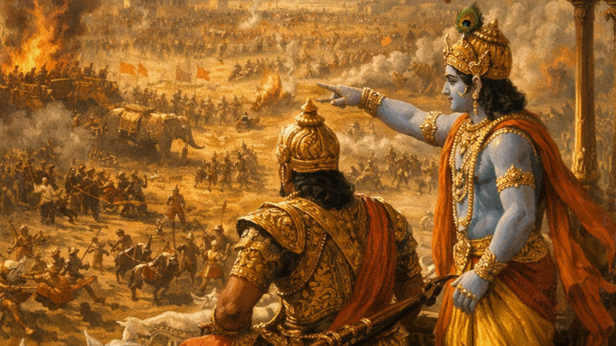
Krishna and Arjuna (Image Credit: AI)
Arjuna was raised as a prince, trained by the greatest teachers like Dronacharya and guided by divine forces throughout his life. He had access to knowledge, weapons and support that few could ever dream of. Karna, on the other hand, was born with greatness but abandoned at birth, raised in a charioteer’s household and forced to fight for recognition at every step. His life was shaped not by privilege, but by rejection.
This contrast is crucial. Because the question of “who was greater” is not just about what they achieved- it is about what they had to overcome to achieve it.
Was Karna the More Powerful Warrior?
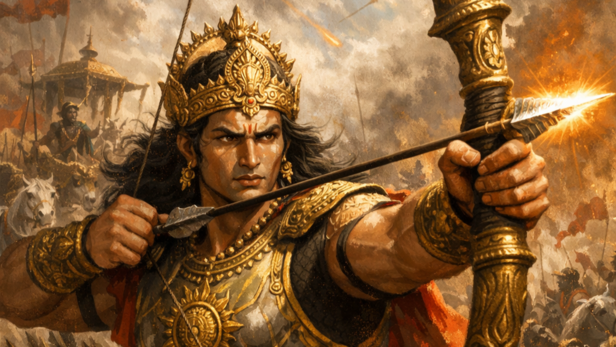
Karna During Mahabharata War (Image Credit: AI)
Karna possessed immense natural talent, unmatched courage and a warrior’s instinct that was sharpened by struggle. But his life was also marked by limitations- curses that caused him to forget crucial knowledge at critical moments, the loss of his divine armour and the constant burden of fate working against him.
In a purely hypothetical world- without curses, without disadvantages- the debate might have leaned more strongly in Karna’s favour. But the Mahabharata is not a story of hypotheticals. It is a story of reality, where circumstances shape outcomes.
Arjuna’s Strength Was Not Just Skill- It Was Clarity
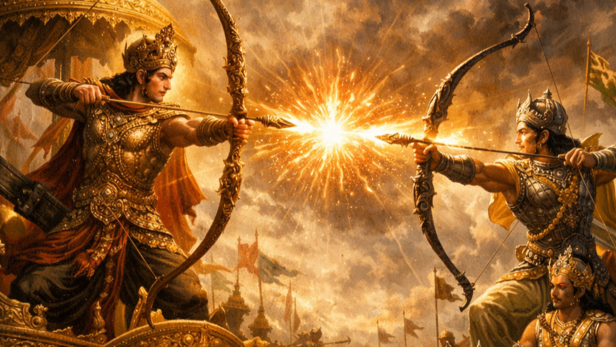
Karna Vs Arjuna (Image Credit: AI)
Arjuna had something Karna never truly received: direction. His actions were aligned with a larger purpose. His strength was supported not just by weapons, but by wisdom. This is why he is often seen as the more complete warrior- not necessarily because he was stronger, but because he was more aligned.
Even in the epic itself, Arjuna is consistently portrayed as a disciplined and focused warrior, guided by duty and higher understanding.
Karna’s Greatness Was Rooted in Pain and Loyalty
If Arjuna represents clarity, Karna represents conflict. His life is one of the most tragic in the Mahabharata. He knew rejection. He knew humiliation. And yet, he chose loyalty- standing by Duryodhana even when he knew the moral cost of that choice.
This is what makes Karna so powerful as a character. His strength was not just physical- it was emotional. He carried pain without letting it weaken his resolve. He gave away his armour knowing it would cost him his life. He fought a war knowing he might be on the losing side.
Many interpretations describe Karna as one of the most tragic figures in the epic, shaped by rejection and difficult choices rather than clear guidance.
But this is also where the complexity lies. Greatness is not just about loyalty- it is also about the direction of that loyalty. Karna’s strength was undeniable, but his choices tied him to a path that ultimately led to his downfall.
The Final Battle: More Than Just Victory or Defeat
The battle between Karna and Arjuna on the seventeenth day of Kurukshetra is often seen as the ultimate answer to this debate. Arjuna defeats Karna. But the circumstances of that battle are far from simple.
Karna was cursed. His chariot wheel sank. He forgot crucial mantras at the most critical moment. Arjuna, on the other hand, had Krishna guiding him at every step. The victory, therefore, cannot be seen as a simple measure of superiority.
Even modern discussions acknowledge that their rivalry is layered with complexity, where both warriors represent different strengths rather than a clear hierarchy.
So, Who Was Really Greater?
Karna, however, represents a different kind of greatness- one that is not defined by victory, but by endurance. His life was shaped by rejection, injustice and inner conflict, yet he continued to stand firm. His loyalty, even when it came at a personal cost, and his ability to carry pain without losing strength make him one of the most powerful figures in the Mahabharata.
But when the question is asked directly- who was greater?- the answer depends on what we choose to value. In the context of the war, Arjuna was the greater warrior. His victory was not accidental; it was the result of discipline, guidance and alignment with a higher purpose.
And yet, beyond the battlefield, Karna’s story leaves a deeper emotional imprint. Arjuna may have won the war, but Karna’s struggle, his silence and his resilience continue to resonate in a way that few characters can.
This is the truth the Mahabharata quietly reveals: greatness is not one-dimensional. Arjuna represents victory and clarity. Karna represents endurance and depth. One stands as the ideal warrior. The other, as the most human.
Unlock insightful tips and inspiration on personal growth, productivity, and well-being. Stay motivated and updated with the latest at My Life XP.