What If Karna Had Accepted Krishna’s Offer to Join Pandavas?
Deepak Rajeev | Wed, 13 May 2026
What if Karna had accepted Krishna’s offer to join the Pandavas? This alternate Mahabharata scenario explores how one decision could have reshaped destiny, preventing the Kurukshetra war or altering its outcome. Karna’s shift would have changed alliances, healed emotional conflicts, and transformed Krishna’s strategy. The epic would move from tragedy toward reconciliation, rewriting the moral and political structure of the story.

Lord Krishna & Karna (Image Credit: AI)
The moment when Krishna approached Karna before the Kurukshetra war is one of the most emotionally complex turning points in the Mahabharata. In many retellings and traditional interpretations, Krishna reveals Karna’s true identity as Kunti’s eldest son and offers him something unimaginable: the throne of Hastinapura and rightful leadership of the Pandavas. Historical versions of the epic describe Krishna attempting diplomacy to prevent war while also strategically testing loyalties and outcomes. But what if Karna had actually said yes? This single decision would not just have altered the outcome of a war. It would have reshaped the entire emotional and moral architecture of the Mahabharata itself.
A Kingdom Restored Before the First Arrow Was Fired
![Karna | Instagram - @uk_max_4k]()
If Karna had accepted Krishna’s offer, the first immediate consequence would have been a collapse of the Kaurava alliance. Karna was not just a warrior in Duryodhana’s camp. He was its emotional backbone, its strategic voice, and its strongest challenger to Arjuna. Without Karna, Duryodhana’s confidence would have weakened dramatically. Many traditional interpretations suggest Karna was the only warrior Duryodhana believed was equal to Arjuna. Even modern retellings describe Karna as the crucial force that balanced the psychological scale of the war. Karna joining the Pandavas would likely have forced Duryodhana to reconsider the war itself. The moral weight of losing his closest friend and strongest ally might have pushed him toward negotiation or political fragmentation instead of full-scale conflict.
![The Pandavas Would Have Become Politically Unstoppable | Instagram - @sanathani_bhakth]()
With Karna on their side, the Pandavas would have gained more than military strength. They would have gained legitimacy, unity, and emotional resolution. Yudhishthira stepping aside for Karna is often mentioned in interpretations of Krishna’s offer, suggesting that the Pandava structure itself could have been reorganized around Karna’s rightful identity. This would have created a completely different political reality. Instead of five brothers struggling through exile, deception, and war trauma, the narrative could have transformed into a unified kingdom under a single acknowledged heir. The Kurukshetra war, in its known form, may never have occurred.
One of the emotional engines of the Mahabharata is Draupadi’s humiliation in the Kaurava court, an event that intensified hostility between both sides. Karna was a key participant in that humiliation, though texts also note later remorse in some interpretations. His loyalty to Duryodhana shaped many of those actions. If Karna had joined the Pandavas earlier, this emotional wound could have been partially healed within the narrative structure of reconciliation. The psychological need for revenge that fueled the war might have weakened significantly. In other words, the Mahabharata might have shifted from tragedy to restoration.
Krishna’s Strategy Would Still Have Been Fulfilled, Just Differently
Krishna’s role in the epic is often interpreted as both diplomatic and strategic. He attempted peace first, then prepared for war when peace failed. If Karna had accepted his offer, Krishna’s larger purpose would not have been defeated. Instead, it would have taken a different form. Rather than guiding Arjuna through war, Krishna may have guided Karna through identity, reconciliation, and rulership. The Bhagavad Gita might never have been spoken in its battlefield form. Instead, its philosophy of detached action and duty could have emerged in a political and personal transformation narrative. This is where the “what if” becomes philosophically profound. The teaching would remain, but the battlefield would disappear.
From a psychological perspective, Karna’s acceptance would have resolved his lifelong identity conflict. Modern interpretations of Karna often describe him as a man torn between social rejection and emotional loyalty. He was accepted by Duryodhana when society rejected him, creating a powerful emotional bond that outweighed even truth. If Karna had chosen Krishna’s offer, that emotional debt would have been replaced by identity healing. Instead of living as someone constantly proving worth, he would have lived as someone finally recognized. Psychologically, this would represent a shift from “earned identity through loyalty” to “inherent identity through truth.”
The Kurukshetra war is often described as a turning point that marked the transition from Dvapara Yuga to Kali Yuga consciousness in symbolic interpretations. If Karna had switched sides early, the war’s scale would likely have been reduced or even avoided. That means the entire moral lesson of the Mahabharata as we know it would change. No massive battlefield of moral ambiguity. No irreversible destruction of kinship. No long shadow of grief defining future generations. Instead, the epic might have become a story of reconciliation between truth and loyalty.
If Karna had accepted Krishna’s offer, the Mahabharata would not simply be a different war story. It might not have been a war story at all. The Pandavas would have gained not just a brother, but completeness. Duryodhana would have lost not just an ally, but his emotional anchor. And Krishna’s role as strategist might have shifted from battlefield guidance to complete transformation of political destiny. But perhaps the deepest lesson of this “what if” is not about changing history. It is about understanding why Karna’s choice mattered so much. Because in rejecting Krishna, Karna did not just choose a side in a war. He chose loyalty over truth, emotion over identity, and friendship over destiny. And that is exactly why his story continues to echo through time.
Unlock insightful tips and inspiration on personal growth, productivity, and well-being. Stay motivated and updated with the latest at My Life XP.
A Kingdom Restored Before the First Arrow Was Fired
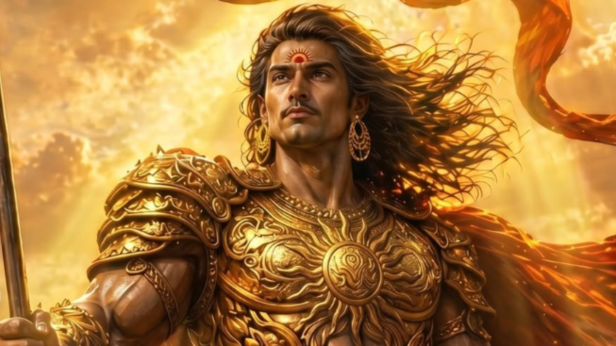
Karna | Instagram - @uk_max_4k
If Karna had accepted Krishna’s offer, the first immediate consequence would have been a collapse of the Kaurava alliance. Karna was not just a warrior in Duryodhana’s camp. He was its emotional backbone, its strategic voice, and its strongest challenger to Arjuna. Without Karna, Duryodhana’s confidence would have weakened dramatically. Many traditional interpretations suggest Karna was the only warrior Duryodhana believed was equal to Arjuna. Even modern retellings describe Karna as the crucial force that balanced the psychological scale of the war. Karna joining the Pandavas would likely have forced Duryodhana to reconsider the war itself. The moral weight of losing his closest friend and strongest ally might have pushed him toward negotiation or political fragmentation instead of full-scale conflict.
The Pandavas Would Have Become Politically Unstoppable
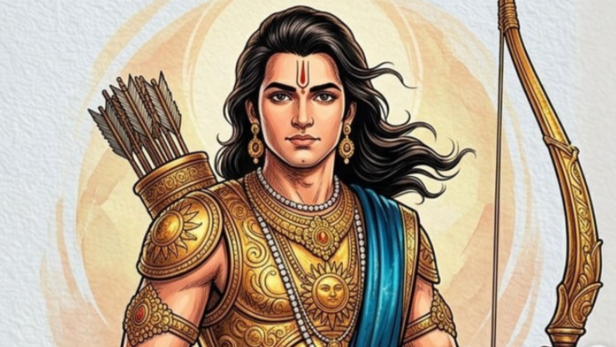
The Pandavas Would Have Become Politically Unstoppable | Instagram - @sanathani_bhakth
With Karna on their side, the Pandavas would have gained more than military strength. They would have gained legitimacy, unity, and emotional resolution. Yudhishthira stepping aside for Karna is often mentioned in interpretations of Krishna’s offer, suggesting that the Pandava structure itself could have been reorganized around Karna’s rightful identity. This would have created a completely different political reality. Instead of five brothers struggling through exile, deception, and war trauma, the narrative could have transformed into a unified kingdom under a single acknowledged heir. The Kurukshetra war, in its known form, may never have occurred.
Draupadi’s Humiliation and the Cycle of Revenge Might Have Ended
One of the emotional engines of the Mahabharata is Draupadi’s humiliation in the Kaurava court, an event that intensified hostility between both sides. Karna was a key participant in that humiliation, though texts also note later remorse in some interpretations. His loyalty to Duryodhana shaped many of those actions. If Karna had joined the Pandavas earlier, this emotional wound could have been partially healed within the narrative structure of reconciliation. The psychological need for revenge that fueled the war might have weakened significantly. In other words, the Mahabharata might have shifted from tragedy to restoration.
Krishna’s Strategy Would Still Have Been Fulfilled, Just Differently
Krishna’s role in the epic is often interpreted as both diplomatic and strategic. He attempted peace first, then prepared for war when peace failed. If Karna had accepted his offer, Krishna’s larger purpose would not have been defeated. Instead, it would have taken a different form. Rather than guiding Arjuna through war, Krishna may have guided Karna through identity, reconciliation, and rulership. The Bhagavad Gita might never have been spoken in its battlefield form. Instead, its philosophy of detached action and duty could have emerged in a political and personal transformation narrative. This is where the “what if” becomes philosophically profound. The teaching would remain, but the battlefield would disappear.
The Psychological Transformation of Karna Himself
From a psychological perspective, Karna’s acceptance would have resolved his lifelong identity conflict. Modern interpretations of Karna often describe him as a man torn between social rejection and emotional loyalty. He was accepted by Duryodhana when society rejected him, creating a powerful emotional bond that outweighed even truth. If Karna had chosen Krishna’s offer, that emotional debt would have been replaced by identity healing. Instead of living as someone constantly proving worth, he would have lived as someone finally recognized. Psychologically, this would represent a shift from “earned identity through loyalty” to “inherent identity through truth.”
The War That Might Have Never Defined an Age
The Kurukshetra war is often described as a turning point that marked the transition from Dvapara Yuga to Kali Yuga consciousness in symbolic interpretations. If Karna had switched sides early, the war’s scale would likely have been reduced or even avoided. That means the entire moral lesson of the Mahabharata as we know it would change. No massive battlefield of moral ambiguity. No irreversible destruction of kinship. No long shadow of grief defining future generations. Instead, the epic might have become a story of reconciliation between truth and loyalty.
Conclusion: A Single Choice That Could Have Rewritten Destiny
If Karna had accepted Krishna’s offer, the Mahabharata would not simply be a different war story. It might not have been a war story at all. The Pandavas would have gained not just a brother, but completeness. Duryodhana would have lost not just an ally, but his emotional anchor. And Krishna’s role as strategist might have shifted from battlefield guidance to complete transformation of political destiny. But perhaps the deepest lesson of this “what if” is not about changing history. It is about understanding why Karna’s choice mattered so much. Because in rejecting Krishna, Karna did not just choose a side in a war. He chose loyalty over truth, emotion over identity, and friendship over destiny. And that is exactly why his story continues to echo through time.
Unlock insightful tips and inspiration on personal growth, productivity, and well-being. Stay motivated and updated with the latest at My Life XP.