Which Shivling Colour Brings the Most Blessings?
Noopur Kumari | Fri, 03 Apr 2026
Have you ever wondered why Shivlings come in black, white, crystal, or even golden shades? Most devotees focus on size or material, but the colour itself carries hidden powers. Some bring strength, others peace, and some even attract prosperity. Choosing the wrong one could mean missing out on blessings you desperately need. In this guide, we reveal the secret meanings of each Shivling colour, why they matter, and how selecting the right one can transform your spiritual energy, home, and life in ways you never imagined.

Shivling Colour
Image credit : ChatGPT(AI)
A Shivling is more than just a symbol of Lord Shiva it’s a source of energy, peace, and spiritual balance. While devotees often focus on its size or material, the colour of a Shivling holds deeper meaning that many overlook. From black, representing power and protection, to white for purity and calm, each shade channels unique blessings. Crystal Shivlings attract divine energy, while golden ones symbolize prosperity. Choosing the right colour isn’t just about aesthetics it’s about aligning your intentions with the energy you wish to invite into your home, life, and spiritual practice.
![Black Shivling in Home Temple]()
Black is the most common Shivling colour, carved from Narmada stone or granite. Its dark energy represents power, protection, and stability. Many devotees believe it absorbs negative energy, shielding the home and family. Black Shivlings are ideal for those seeking courage during challenges or emotional balance. If life feels chaotic, placing a black Shivling in a peaceful corner can create calm, steady energy. This colour symbolizes Shiva’s raw, unstoppable power, giving devotees the strength to face adversity while maintaining inner stability.
![White Marble Shivling]()
White Shivlings, usually made of marble, are linked with purity and serenity. They bring calm, clarity, and harmony to the household. Ideal for meditation spaces, white Shivlings reduce stress, promote spiritual growth, and support peaceful relationships. This colour embodies the gentle, tranquil aspect of Shiva, making it perfect for those seeking mental clarity or stress relief. White represents the balance between material life and spiritual consciousness, fostering a harmonious environment for reflection, prayer, and deep connection with the divine.
![Clay or Sandstone Shivling]()
Brown Shivlings, carved from clay or soft stone, symbolize grounding, patience, and steady progress. They provide a warm and comforting energy, ideal for those looking to strengthen family bonds or maintain emotional balance. Brown represents the Earth, helping devotees stay rooted and practical, even in challenging times. Placing a brown Shivling at home reminds us that spiritual energy isn’t always dramatic sometimes, stability and patience are the highest forms of devotion. It quietly nurtures progress in family life, career, and personal growth.
Transparent crystal Shivlings, known as Sphatik, are considered extremely auspicious. They embody purity, light, and divine energy, keeping spaces cool and peaceful. Crystal Shivlings are perfect for meditation and spiritual upliftment. Many priests believe they attract blessings, harmony, and protection. Their transparency represents Shiva’s clarity and infinite energy, creating an aura of calm around the devotee. If your goal is spiritual growth or purification, a crystal Shivling amplifies devotion and connects you with higher consciousness, making it one of the most powerful forms to place at home or temple.
Golden or yellow Shivlings are tied to wealth, intelligence, and abundance. They attract prosperity and motivate career or academic growth. Blue Shivlings, linked with the throat chakra, encourage truth, devotion, and clear communication. Both colours carry focused energy gold energizes material progress, while blue strengthens spiritual discipline. Choosing between them depends on your current intention: whether you seek success, clarity, or a balance of both. These less common Shivlings are for devotees who want specific blessings rather than general protection or peace.
Unlock insightful tips and inspiration on personal growth, productivity, and well-being. Stay motivated and updated with the latest at My Life XP.
1. Which Shivling colour is considered the most auspicious?
While all colours have significance, crystal (Sphatik) Shivlings are often regarded as the purest and most spiritually powerful. Black represents strength, and white symbolizes peace.
2. Can I choose a Shivling based on my personal intention?
Yes. Each colour aligns with specific energies choose one based on your spiritual or life goals, such as prosperity, peace, or protection.
3. Does the material of the Shivling matter?
Yes, material affects energy. Granite or black stone offers stability, while crystal enhances purity and meditation focus.
4. How should a Shivling be placed at home?
Place it in a clean, sacred space, ideally facing east or north. Regular worship enhances the intended energy.
5. Can the colour influence meditation or prayer?
Absolutely. Each colour supports specific vibrations—white for calm, black for protection, green for healing, and golden for abundance.
Black Shivling Strength & Protection
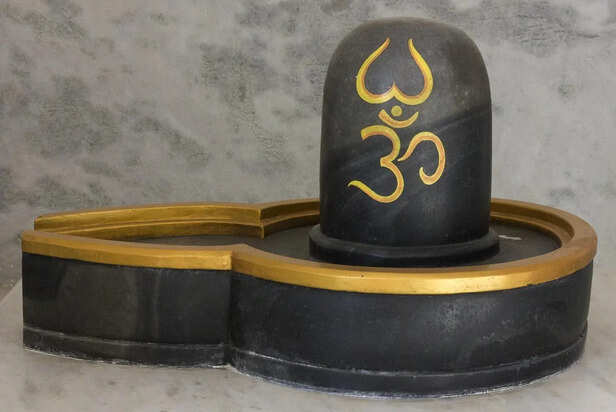
Black Shivling in Home Temple
Image credit : Pixabay
Black is the most common Shivling colour, carved from Narmada stone or granite. Its dark energy represents power, protection, and stability. Many devotees believe it absorbs negative energy, shielding the home and family. Black Shivlings are ideal for those seeking courage during challenges or emotional balance. If life feels chaotic, placing a black Shivling in a peaceful corner can create calm, steady energy. This colour symbolizes Shiva’s raw, unstoppable power, giving devotees the strength to face adversity while maintaining inner stability.
White Shivling Peace & Clarity
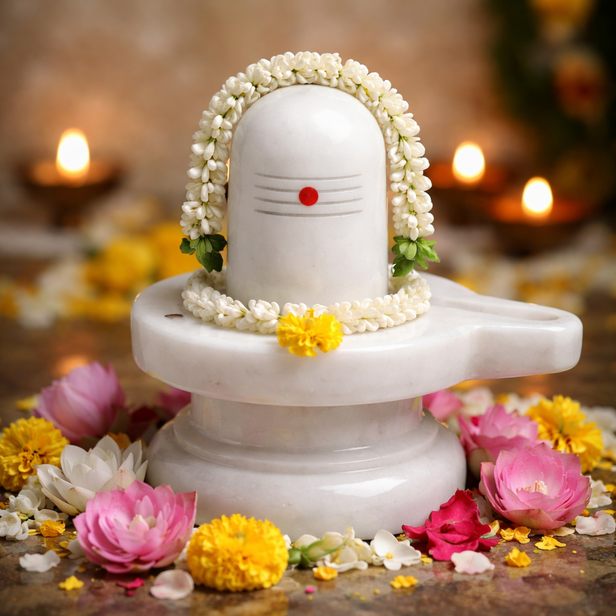
White Marble Shivling
Image credit : CHATGPT(AI)
White Shivlings, usually made of marble, are linked with purity and serenity. They bring calm, clarity, and harmony to the household. Ideal for meditation spaces, white Shivlings reduce stress, promote spiritual growth, and support peaceful relationships. This colour embodies the gentle, tranquil aspect of Shiva, making it perfect for those seeking mental clarity or stress relief. White represents the balance between material life and spiritual consciousness, fostering a harmonious environment for reflection, prayer, and deep connection with the divine.
Brown or Sand-Coloured Shivling Grounding & Stability
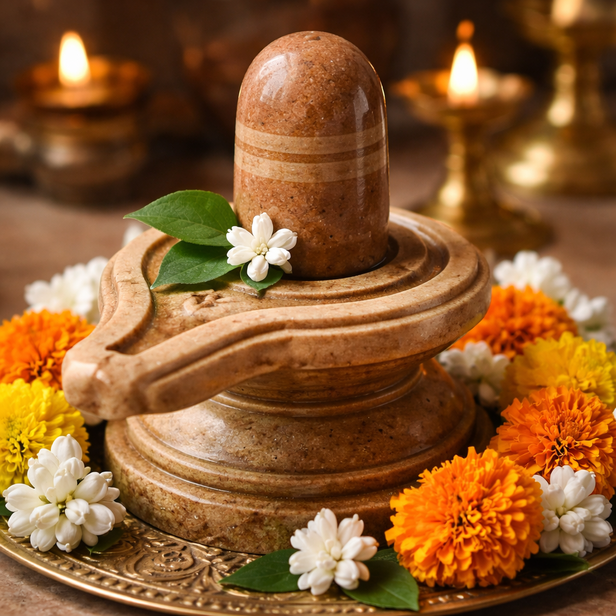
Clay or Sandstone Shivling
Image credit : CHATGPT(AI)
Brown Shivlings, carved from clay or soft stone, symbolize grounding, patience, and steady progress. They provide a warm and comforting energy, ideal for those looking to strengthen family bonds or maintain emotional balance. Brown represents the Earth, helping devotees stay rooted and practical, even in challenging times. Placing a brown Shivling at home reminds us that spiritual energy isn’t always dramatic sometimes, stability and patience are the highest forms of devotion. It quietly nurtures progress in family life, career, and personal growth.
Crystal (Sphatik) Shivling Purity & Divine Blessings
Golden & Blue Shivlings Prosperity & Truth
Unlock insightful tips and inspiration on personal growth, productivity, and well-being. Stay motivated and updated with the latest at My Life XP.
Frequently Asked Questions (FAQs)
While all colours have significance, crystal (Sphatik) Shivlings are often regarded as the purest and most spiritually powerful. Black represents strength, and white symbolizes peace.
2. Can I choose a Shivling based on my personal intention?
Yes. Each colour aligns with specific energies choose one based on your spiritual or life goals, such as prosperity, peace, or protection.
3. Does the material of the Shivling matter?
Yes, material affects energy. Granite or black stone offers stability, while crystal enhances purity and meditation focus.
4. How should a Shivling be placed at home?
Place it in a clean, sacred space, ideally facing east or north. Regular worship enhances the intended energy.
5. Can the colour influence meditation or prayer?
Absolutely. Each colour supports specific vibrations—white for calm, black for protection, green for healing, and golden for abundance.