Why Are Women Told Not to Enter Kitchens During Periods, Where Did This Start?
Pragya Paliwal | Mon, 29 Dec 2025
Women being told not to enter kitchens during periods is a belief many grow up with but rarely question. This article explores where the practice originated, looking at historical living conditions, hygiene limitations, and the physical demands of menstruation in earlier times. It explains how what may have begun as a health and rest focused practice gradually turned into a social taboo. By examining cultural context and modern science, the article encourages readers to rethink outdated narratives while retaining the original intent of care and well-being.

Women during periods
Image credit : MyLifeXP Bureau
In many Indian households, menstruating women are still told not to enter the kitchen. Sometimes it’s said gently, sometimes firmly, and often without explanation. For some, it’s a rule that still exists. For others, it’s a memory from childhood that never fully made sense.
The question is, where did this belief actually start? Was it rooted in discrimination, hygiene, health concerns, or something else entirely?
To understand this, we need to step back from modern kitchens and look at how daily life functioned centuries ago.
In traditional Indian homes, kitchens were very different from what we know today. There were no gas stoves, refrigerators, or packaged foods. Cooking involved firewood, stone grinders, heavy utensils, and long hours of physical labour. Hygiene standards depended entirely on manual cleaning, and access to water or sanitation was limited.
Menstruation, especially in earlier times, was physically demanding. Women often experienced pain, fatigue, dizziness, and heavy bleeding, without painkillers or medical support. Rest was not optional; it was necessary.
Restricting women from the kitchen may have originally been a way to force rest, not punishment. In societies where women were expected to work continuously, rituals became the only socially acceptable way to give them a break.
![Kitchen]() Traditionally, kitchens were treated almost like sanctums. Food wasn’t just nourishment; it was sacred. With no refrigeration, food spoiled easily. Cleanliness was essential, not symbolic.
Traditionally, kitchens were treated almost like sanctums. Food wasn’t just nourishment; it was sacred. With no refrigeration, food spoiled easily. Cleanliness was essential, not symbolic.
During menstruation, maintaining hygiene was harder due to the absence of sanitary products. Limiting access to food preparation areas may have been a practical health decision, not a moral judgment.
Over time, however, the reasoning faded while the rule remained.
As generations passed, context was lost. What started as a health-focused practice slowly became framed as impurity. Instead of explaining menstruation as a natural biological process, silence took over.
This silence created shame.
Young girls were told what not to do, but not why. Kitchens became forbidden spaces, not resting zones. The original intent of care and protection slowly transformed into control and restriction.
From a modern scientific perspective, there is no medical reason to restrict women from kitchens during periods. With access to sanitary products, clean water, and proper nutrition, menstruation poses no hygiene risk.
In fact, nutrition during periods is crucial. Iron-rich foods, warm meals, and hydration help manage symptoms. Excluding women from kitchens today can sometimes do more harm than good.
Cultural beliefs often outlive their usefulness. Practices tied to “tradition” are rarely questioned because questioning feels like disrespect. But traditions are not frozen in time, they evolve with context.
What remains relevant is the core idea of care: acknowledging that menstruation is physically demanding and allowing rest when needed. What no longer serves us is turning that care into exclusion or stigma.
![Women working in kitchen]() Instead of asking whether women should enter kitchens during periods, a better question might be:
Instead of asking whether women should enter kitchens during periods, a better question might be:
Are women being given the freedom to rest, nourish themselves, and choose what feels right for their bodies?
Understanding the origins of such beliefs helps separate compassion from control and tradition from taboo.
Unlock insightful tips and inspiration on personal growth, productivity, and well-being. Stay motivated and updated with the latest at My Life XP.
The question is, where did this belief actually start? Was it rooted in discrimination, hygiene, health concerns, or something else entirely?
To understand this, we need to step back from modern kitchens and look at how daily life functioned centuries ago.
Life Before Modern Hygiene and Appliances
Menstruation, especially in earlier times, was physically demanding. Women often experienced pain, fatigue, dizziness, and heavy bleeding, without painkillers or medical support. Rest was not optional; it was necessary.
Restricting women from the kitchen may have originally been a way to force rest, not punishment. In societies where women were expected to work continuously, rituals became the only socially acceptable way to give them a break.
The Kitchen as a Sacred and Functional Space
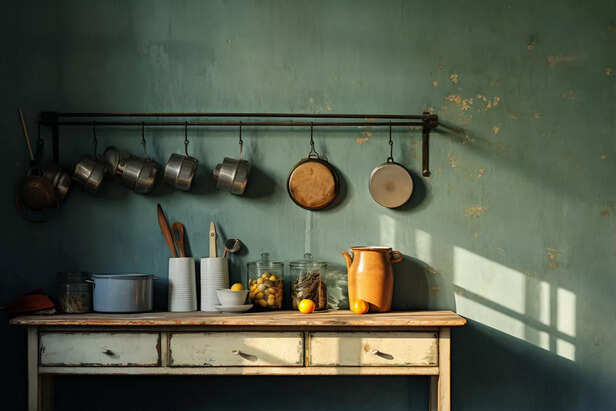
Kitchen
Image credit : Freepik
During menstruation, maintaining hygiene was harder due to the absence of sanitary products. Limiting access to food preparation areas may have been a practical health decision, not a moral judgment.
Over time, however, the reasoning faded while the rule remained.
How a Health Practice Turned Into a Social Taboo
This silence created shame.
Young girls were told what not to do, but not why. Kitchens became forbidden spaces, not resting zones. The original intent of care and protection slowly transformed into control and restriction.
Is There Any Scientific Reason Today?
In fact, nutrition during periods is crucial. Iron-rich foods, warm meals, and hydration help manage symptoms. Excluding women from kitchens today can sometimes do more harm than good.
Why the Belief Still Exists
What remains relevant is the core idea of care: acknowledging that menstruation is physically demanding and allowing rest when needed. What no longer serves us is turning that care into exclusion or stigma.
Reframing the Narrative
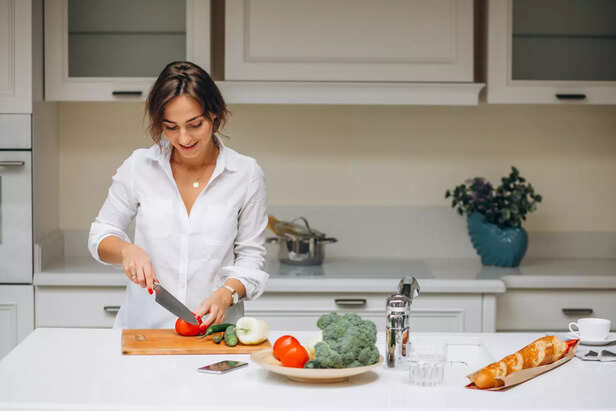
Women working in kitchen
Image credit : Freepik
Are women being given the freedom to rest, nourish themselves, and choose what feels right for their bodies?
Understanding the origins of such beliefs helps separate compassion from control and tradition from taboo.
Unlock insightful tips and inspiration on personal growth, productivity, and well-being. Stay motivated and updated with the latest at My Life XP.