Why Do People Eat Stale Food on Sheetala Ashtami? The Hidden Legend
Noopur Kumari | Tue, 10 Mar 2026
Sheetala Ashtami is a sacred Hindu festival observed mainly in North India after Holi. Devotees worship Sheetala Mata, the goddess associated with protection from diseases, especially skin infections and seasonal illnesses. According to legend, the goddess once suffered from painful blisters and was helped by a humble potter woman who offered her cool water and leftover food. The goddess felt relief and blessed the tradition that anyone who worships her and eats food cooked the previous day will be protected from illness. The day also coincides with prayers to Kala Bhairava, symbolizing protection from fear and enemies.

Sheetala Ashtami
Image credit : ChatGPT(ai)
Imagine a festival where people intentionally eat food cooked the previous day. No cooking. No fresh meals. Only cold, leftover food. At first, it sounds strange. But this tradition is deeply connected with the sacred festival of Sheetala Ashtami, dedicated to Sheetala Mata, who is believed to protect people from diseases and infections. Behind this unique ritual lies a powerful story of compassion, faith, and healing. A simple act of kindness by a poor woman once brought divine blessings to an entire community. And since then, this tradition continues every year.
![Traditional Cold Food Offering]()
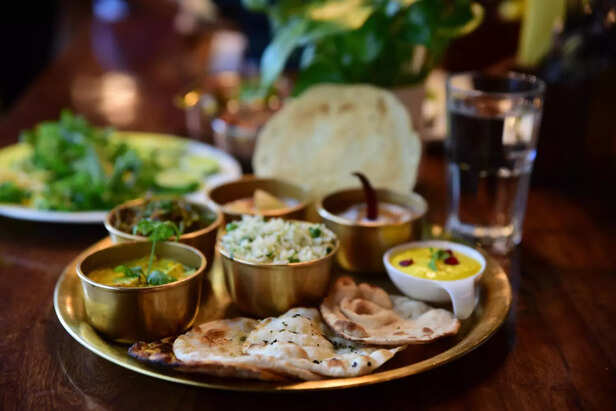
One of the most unique aspects of Sheetala Ashtami is the practice of eating food cooked the night before. On this day, devotees do not light the stove or cook fresh meals. Instead, they consume dishes prepared earlier. This tradition symbolizes respect for the goddess who is associated with cooling and healing energies. The word “Sheetala” itself means “cool.” Devotees believe that eating cold food honors the goddess and invites her protection from diseases.
![The Kind Potter Woman]()
According to legend, Sheetala Mata once traveled through a village and accidentally got hot rice water poured over her body. The burning liquid caused painful blisters. While many villagers ignored her suffering, a poor potter woman noticed her pain. She compassionately poured cool water over the goddess to soothe her wounds. With humility, she offered leftover food such as cold rabri and stale meals. This simple act of kindness deeply pleased the goddess.
![Blessing of Sheetala Mata]()
शीतले शीतले मातः रोगान् हरसि दुस्तरान्।
विष्फोटकभयं घोरं नाशय त्वं नमोऽस्तुते॥
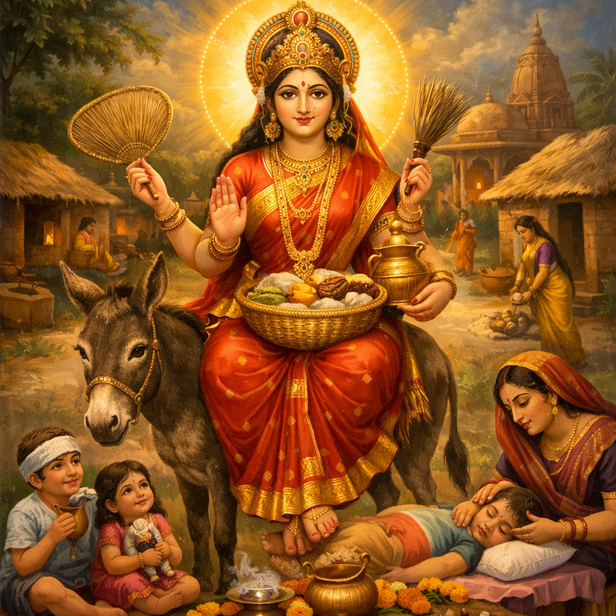
After receiving kindness from the potter woman, the goddess revealed her divine form and blessed her. She declared that anyone who worships her on this day and eats food prepared the previous day would be protected from illnesses. People believed that skin infections, seasonal fevers, and viral diseases would stay away from devotees who followed this tradition with faith. This belief became the foundation of the Sheetala Ashtami festival.
On Sheetala Ashtami, households avoid lighting the stove entirely. The kitchen rests for the day, symbolizing calmness and purity. All meals are prepared one day earlier. This practice also reflects the cooling nature associated with the goddess. Devotees believe that avoiding heat on this day respects the healing energy of Sheetala Mata and keeps negative influences away from the household.
Worship and
Early in the morning, devotees visit temples or perform puja at home. They offer cold food, sweets, and water to the goddess. Flowers and incense are used during the prayer. Devotees seek blessings for health, protection from diseases, and peace in the household. The rituals remind people of the importance of compassion and faith.
This day also coincides with Kala Ashtami, dedicated to Kala Bhairava, a fierce form of Shiva. Devotees often light a small oil lamp in his name to seek protection from fear and enemies. The ritual symbolizes courage and spiritual strength. By combining devotion to Sheetala Mata and Kala Bhairava, devotees believe they receive both healing and protection.
Beyond rituals and traditions, Sheetala Ashtami carries a deeper message. The entire story begins with the kindness of a poor woman who helped someone in pain without expecting anything in return. Her compassion brought divine blessings to an entire community. The festival reminds people that small acts of kindness can create powerful spiritual impact.
Sheetala Ashtami is more than a simple ritual of eating cold food. It is a festival of compassion, healing, and faith. The story reminds us that the goddess responded not to wealth or power but to kindness. A humble woman’s caring gesture turned ordinary leftover food into something sacred. Even today, millions of devotees follow this tradition, believing that faith and compassion can protect them from illness and hardship. And perhaps the real lesson of this festival is simple: Sometimes the smallest acts of kindness bring the greatest blessings.
Unlock insightful tips and inspiration on personal growth, productivity, and well-being. Stay motivated and updated with the latest at My Life XP.
1. What is Sheetala Ashtami?
Sheetala Ashtami is a Hindu festival dedicated to Sheetala Mata, the goddess believed to protect people from diseases, especially skin infections, fevers, and seasonal illnesses. Devotees worship the goddess and follow special rituals to seek health and protection.
2. Why do people eat stale or cold food on Sheetala Ashtami?
According to legend, Sheetala Mata once suffered from painful blisters and was comforted by a poor potter woman who offered her cool water and leftover food. After receiving relief, the goddess blessed the tradition that anyone who eats food prepared the previous day and worships her will be protected from diseases.
3. Why is cooking avoided on Sheetala Ashtami?
Devotees believe that lighting the stove and cooking fresh food creates heat, which is not suitable for a day dedicated to the cooling energy of Sheetala Mata. Therefore, food is prepared the previous day and eaten cold.
4. What foods are usually eaten on this day?
Common foods include rabri, sweet dishes, puri, rice, curd, and other meals prepared the night before. These foods are offered to the goddess first and then consumed as prasad.
5. When is Sheetala Ashtami celebrated?
Sheetala Ashtami is observed after the festival of Holi, usually on the eighth day of the Krishna Paksha in the Hindu month of Chaitra.
6. What is the connection between Sheetala Ashtami and Kala Bhairava?
In some traditions, the same day is also associated with Kala Ashtami. Devotees light an oil lamp and pray to Kala Bhairava, a fierce form of Shiva, to seek protection from fear and enemies.
The Unique Tradition of Eating Cold Food
Traditional Cold Food Offering
Image credit : Freepik
One of the most unique aspects of Sheetala Ashtami is the practice of eating food cooked the night before. On this day, devotees do not light the stove or cook fresh meals. Instead, they consume dishes prepared earlier. This tradition symbolizes respect for the goddess who is associated with cooling and healing energies. The word “Sheetala” itself means “cool.” Devotees believe that eating cold food honors the goddess and invites her protection from diseases.
The Compassion of a Humble Woman

The Kind Potter Woman
Image credit : chatgpt(ai)
According to legend, Sheetala Mata once traveled through a village and accidentally got hot rice water poured over her body. The burning liquid caused painful blisters. While many villagers ignored her suffering, a poor potter woman noticed her pain. She compassionately poured cool water over the goddess to soothe her wounds. With humility, she offered leftover food such as cold rabri and stale meals. This simple act of kindness deeply pleased the goddess.
The Divine Blessing of Protection
Blessing of Sheetala Mata
Image credit : chatgpt(ai)
शीतले शीतले मातः रोगान् हरसि दुस्तरान्।
विष्फोटकभयं घोरं नाशय त्वं नमोऽस्तुते॥
After receiving kindness from the potter woman, the goddess revealed her divine form and blessed her. She declared that anyone who worships her on this day and eats food prepared the previous day would be protected from illnesses. People believed that skin infections, seasonal fevers, and viral diseases would stay away from devotees who followed this tradition with faith. This belief became the foundation of the Sheetala Ashtami festival.
The Day Without Fire
Worship and Rituals of the Goddess
Connection With Kala Ashtami
A Festival That Teaches Compassion
Kindness as a Sacred Virtue
Unlock insightful tips and inspiration on personal growth, productivity, and well-being. Stay motivated and updated with the latest at My Life XP.
Frequently Asked Questions (FAQs)
Sheetala Ashtami is a Hindu festival dedicated to Sheetala Mata, the goddess believed to protect people from diseases, especially skin infections, fevers, and seasonal illnesses. Devotees worship the goddess and follow special rituals to seek health and protection.
2. Why do people eat stale or cold food on Sheetala Ashtami?
According to legend, Sheetala Mata once suffered from painful blisters and was comforted by a poor potter woman who offered her cool water and leftover food. After receiving relief, the goddess blessed the tradition that anyone who eats food prepared the previous day and worships her will be protected from diseases.
3. Why is cooking avoided on Sheetala Ashtami?
Devotees believe that lighting the stove and cooking fresh food creates heat, which is not suitable for a day dedicated to the cooling energy of Sheetala Mata. Therefore, food is prepared the previous day and eaten cold.
4. What foods are usually eaten on this day?
Common foods include rabri, sweet dishes, puri, rice, curd, and other meals prepared the night before. These foods are offered to the goddess first and then consumed as prasad.
5. When is Sheetala Ashtami celebrated?
Sheetala Ashtami is observed after the festival of Holi, usually on the eighth day of the Krishna Paksha in the Hindu month of Chaitra.
6. What is the connection between Sheetala Ashtami and Kala Bhairava?
In some traditions, the same day is also associated with Kala Ashtami. Devotees light an oil lamp and pray to Kala Bhairava, a fierce form of Shiva, to seek protection from fear and enemies.