Why Does Lord Hanuman Answer Some Prayers Through Pain?
Noopur Kumari | Mon, 02 Mar 2026
You prayed for help. Instead, life became harder. Why would Hanuman answer devotion with difficulty? Is pain a punishment, or is it protection? In the sacred stories of the Ramayana, Hanuman never chose the easy path. Fire, storms, and battles shaped his greatness. Devotees believe that sometimes prayers are answered not with comfort, but with transformation. This article reveals the religious secret behind painful blessings and how they may be shaping your destiny in ways you cannot yet see.

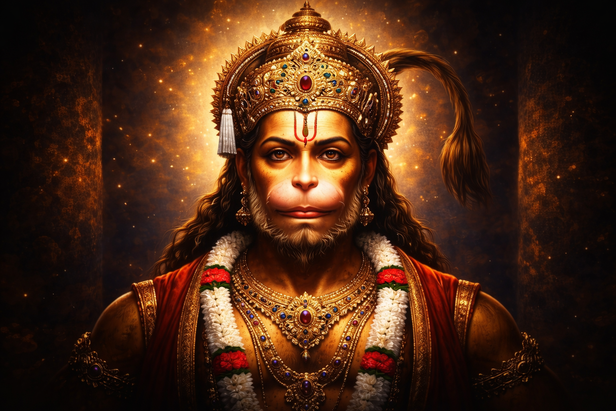
Lord Hanuman
Image credit : ChatGPT (AI)
Lord Hanuman is known as the remover of obstacles and the symbol of strength. Millions chant the Hanuman Chalisa seeking protection and courage. Yet many devotees ask a difficult question. If Hanuman is merciful, why do struggles continue even after prayer? Spiritual wisdom suggests that divine grace does not always appear as comfort. Sometimes it appears as correction, redirection, or refinement. Pain is not always rejection. It can be preparation. Let us understand five spiritual reasons why prayers may be answered through difficulty.
![Fire That Shapes Strength]()
In the Ramayana, Hanuman crossed the ocean and walked through fire with unwavering courage. These trials did not weaken him. They revealed his hidden strength and divine purpose. Devotees believe that pain functions in a similar way. Just as fire purifies gold, difficulties refine character and deepen faith. When life tests patience and devotion, inner resilience begins to grow. Hardships often remove pride and awaken humility. What appears to be suffering may actually be preparation. Through challenges, Hanuman strengthens the devotee’s spirit, shaping them for greater responsibilities and higher spiritual growth.
![Bowing Before Strength]()
Sometimes prayers appear unanswered when opportunities suddenly disappear. A job does not work out, a relationship ends, or a long awaited plan falls apart. From a human perspective, this feels painful and unfair. Yet in devotion to Hanuman, who is lovingly called Sankat Mochan, remover of difficulties, such moments can be seen differently. He may remove something that seems right but carries unseen risks. What looks like loss may actually be protection. Painful endings often guide a devotee toward a safer and wiser path. In time, clarity arrives, and the heart understands that divine care was quietly at work.
![The Closed Path That Saves]()
True devotion deepens when pride begins to dissolve. Pain has a way of humbling the ego and reminding us that we are not in complete control. In the path of bhakti, surrender is not weakness but strength. It opens the heart to divine grace. When prayers are delayed, faith is tested and purified. Devotion shifts from seeking quick comfort to seeking wisdom and guidance. In the spirit of Hanuman, humility becomes the foundation of strength. What appears as loss or rejection may actually be the quiet shaping of sincere faith and lasting spiritual maturity.
Before Hanuman leaped toward Lanka in the Ramayana, he momentarily forgot his immense strength. He needed encouragement to remember his true power. In the same way, life’s challenges awaken hidden abilities within devotees. Difficult seasons develop courage, patience, and spiritual maturity. Without struggle, inner strength often remains undiscovered. Pain can prepare the soul for greater responsibilities and higher purpose. What feels like delay may actually be divine training. Through faith and perseverance, devotees realize that Hanuman’s grace is shaping them for roles far greater than their present comfort or understanding.
1. Why does Lord Hanuman allow devotees to face pain?
In the spiritual understanding of the Ramayana, Hanuman symbolizes strength and devotion. Pain is not seen as punishment but as preparation. Challenges often refine character, remove ego, and awaken hidden courage. Devotees believe Hanuman allows certain struggles to build resilience and deepen faith.
2. Is suffering a sign that my prayers are not working?
Not necessarily. Spiritual teachings suggest that unanswered or delayed prayers may be a different kind of answer. Sometimes protection or redirection comes through temporary discomfort. Growth often happens during difficult phases.
3. How does chanting Hanuman Chalisa help during hard times?
Reciting the Hanuman Chalisa is believed to strengthen courage, remove fear, and bring mental clarity. It helps devotees feel protected and supported spiritually.
4. Does Hanuman test his devotees?
In devotional belief, tests are opportunities for growth rather than trials meant to cause harm. Difficulties may strengthen faith and reveal inner power.
5. What should I do when facing pain despite devotion?
Stay patient, continue prayer, and reflect on lessons within the struggle. Faith, discipline, and trust help transform pain into spiritual program
Pain as Refinement
Fire That Shapes Strength
Image credit : CHATGPT(AI)
In the Ramayana, Hanuman crossed the ocean and walked through fire with unwavering courage. These trials did not weaken him. They revealed his hidden strength and divine purpose. Devotees believe that pain functions in a similar way. Just as fire purifies gold, difficulties refine character and deepen faith. When life tests patience and devotion, inner resilience begins to grow. Hardships often remove pride and awaken humility. What appears to be suffering may actually be preparation. Through challenges, Hanuman strengthens the devotee’s spirit, shaping them for greater responsibilities and higher spiritual growth.
Redirection From Hidden Danger
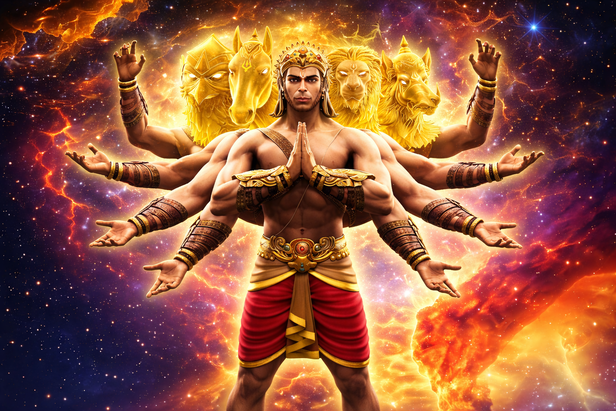
Bowing Before Strength
Image credit : ChatGPT(AI)
Sometimes prayers appear unanswered when opportunities suddenly disappear. A job does not work out, a relationship ends, or a long awaited plan falls apart. From a human perspective, this feels painful and unfair. Yet in devotion to Hanuman, who is lovingly called Sankat Mochan, remover of difficulties, such moments can be seen differently. He may remove something that seems right but carries unseen risks. What looks like loss may actually be protection. Painful endings often guide a devotee toward a safer and wiser path. In time, clarity arrives, and the heart understands that divine care was quietly at work.
Breaking Ego to Build Devotion
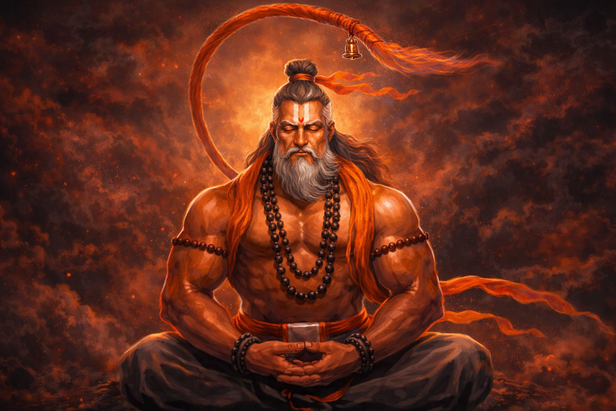
The Closed Path That Saves
Image credit : ChatGPT(AI)
True devotion deepens when pride begins to dissolve. Pain has a way of humbling the ego and reminding us that we are not in complete control. In the path of bhakti, surrender is not weakness but strength. It opens the heart to divine grace. When prayers are delayed, faith is tested and purified. Devotion shifts from seeking quick comfort to seeking wisdom and guidance. In the spirit of Hanuman, humility becomes the foundation of strength. What appears as loss or rejection may actually be the quiet shaping of sincere faith and lasting spiritual maturity.
Preparing for Greater Purpose
Frequently Asked Questions (FAQs)
In the spiritual understanding of the Ramayana, Hanuman symbolizes strength and devotion. Pain is not seen as punishment but as preparation. Challenges often refine character, remove ego, and awaken hidden courage. Devotees believe Hanuman allows certain struggles to build resilience and deepen faith.
2. Is suffering a sign that my prayers are not working?
Not necessarily. Spiritual teachings suggest that unanswered or delayed prayers may be a different kind of answer. Sometimes protection or redirection comes through temporary discomfort. Growth often happens during difficult phases.
3. How does chanting Hanuman Chalisa help during hard times?
Reciting the Hanuman Chalisa is believed to strengthen courage, remove fear, and bring mental clarity. It helps devotees feel protected and supported spiritually.
4. Does Hanuman test his devotees?
In devotional belief, tests are opportunities for growth rather than trials meant to cause harm. Difficulties may strengthen faith and reveal inner power.
5. What should I do when facing pain despite devotion?
Stay patient, continue prayer, and reflect on lessons within the struggle. Faith, discipline, and trust help transform pain into spiritual program