Why Draupadi Was the Most Powerful Figure in the Mahabharata
Deepak Rajeev | Wed, 29 Apr 2026
Draupadi emerges as the most powerful figure in the Mahabharata not through physical strength, but through influence, courage, and moral clarity. Her resistance, questions on dharma, and emotional impact shaped the course of the epic, proving that true power lies not in force, but in the ability to change minds, decisions, and destiny.

Real Reason Draupadi Was the Most Powerful in Mahabharata (Image Credit: AI)
There are many powerful figures in the Mahabharata. Warriors who could defeat entire armies, kings who ruled vast kingdoms, and even divine beings who shaped the course of destiny. Yet, when you look beyond weapons and titles, one figure stands apart in a way that is both subtle and undeniable. It is Draupadi. Not because she fought on the battlefield. Not because she held a throne. But because she influenced everything that mattered.
![Draupadi (Image Credit: AI)]()
Most people associate power in the Mahabharata with physical dominance. Names like Bhishma, Arjuna, and Karna immediately come to mind. But the epic itself tells a deeper story. True power in the Mahabharata lies in influence. In the ability to shape decisions, challenge dharma, and alter the direction of events. And this is exactly where Draupadi becomes impossible to ignore.
![Vivah Ghibli Art | Instagram - @panchalipandav]()
One of the most defining moments in the Mahabharata is the dice game, where Draupadi is humiliated in the royal court. This was not just an incident of personal suffering. It was a turning point that changed the entire course of the epic. Her humiliation became the moral breaking point for the Pandavas, transforming their struggle from a political conflict into a battle for justice and dignity. Scholars often point out that her demand for justice and refusal to accept humiliation fueled the eventual war at Kurukshetra. Without Draupadi, the war might still have happened. But without her, it would not have carried the same moral intensity. She did not fight the war. She gave it a reason.
In one of the most powerful scenes in the epic, Draupadi questions the legality of her own humiliation. She asks a simple but devastating question. If Yudhishthira had already lost himself in the dice game, did he even have the right to stake her afterward? This was not just a personal defence. It was a philosophical challenge to the very concept of dharma. While elders, warriors, and kings remained silent, Draupadi spoke. She challenged authority, logic, and tradition in a moment where silence would have been easier. That is a different kind of power. The power to question.
Draupadi was not just the wife of the Pandavas. She was the force that held them together. Her pain, her anger, and her unwavering demand for justice became the emotional fuel that drove them forward. She reminded them of what they had lost and what needed to be reclaimed. Many interpretations describe her as the binding force of the Pandavas, shaping both their personal and political journey. In a story filled with warriors, she was the reason those warriors continued to fight.
One of the biggest misconceptions about Draupadi is that she was only a victim. That is far from the truth. She was intelligent, sharp, and deeply aware of her circumstances. She challenged her husbands when they made questionable decisions, influenced strategic thinking, and even played a role in governance and administration in Indraprastha. Her power was not loud. It was consistent. She did not command armies. She influenced those who did.
Draupadi’s life was not easy. She endured humiliation, exile, loss, and constant struggle. But what makes her powerful is not the suffering itself. It is how she responded to it. She refused to accept injustice quietly. She demanded answers. She demanded accountability. And most importantly, she never allowed her pain to be dismissed as insignificant. Her story represents resistance, dignity, and the refusal to be silenced, making her one of the most complex and resilient figures in the epic.
Even after the war, Draupadi’s presence continued to shape decisions. She was not just part of the story. She was part of the philosophy of the Mahabharata. Her life raises uncomfortable questions about justice, gender, power, and morality. It forces readers to confront the idea that strength is not always visible, and power is not always physical.
When people think of power, they think of control. But Draupadi represents something else entirely. She represents impact. She did not rule a kingdom alone. She did not lead armies into battle. Yet her choices, her words, and her experiences influenced the direction of the entire epic. She stood at the center of its most important moments. And that is why calling her the most powerful figure is not an exaggeration. It is a shift in perspective.
Draupadi’s power was not in what she did with weapons, but in what she did with truth, courage, and conviction. She challenged kings, questioned dharma, influenced warriors, and transformed personal injustice into a moral cause that shaped history. And perhaps that is the real reason she stands above so many others. Because in a story filled with strength, she embodied something even more enduring. She made the world move.
Unlock insightful tips and inspiration on personal growth, productivity, and well-being. Stay motivated and updated with the latest at My Life XP.
Power in the Mahabharata Was Never Just About Strength
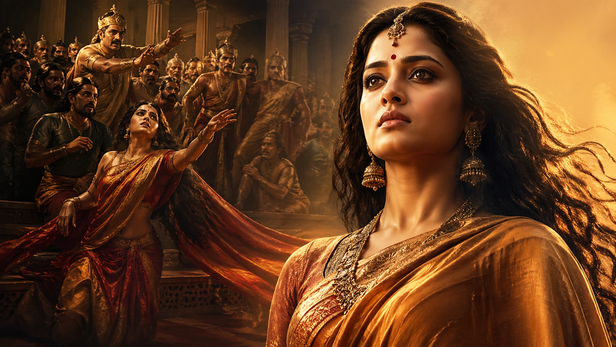
Draupadi (Image Credit: AI)
Most people associate power in the Mahabharata with physical dominance. Names like Bhishma, Arjuna, and Karna immediately come to mind. But the epic itself tells a deeper story. True power in the Mahabharata lies in influence. In the ability to shape decisions, challenge dharma, and alter the direction of events. And this is exactly where Draupadi becomes impossible to ignore.
She Was the Catalyst Behind the War
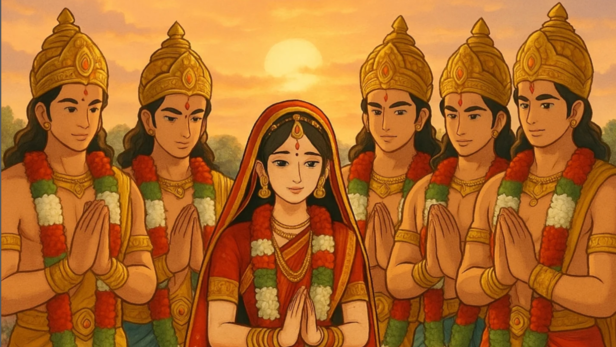
Vivah Ghibli Art | Instagram - @panchalipandav
One of the most defining moments in the Mahabharata is the dice game, where Draupadi is humiliated in the royal court. This was not just an incident of personal suffering. It was a turning point that changed the entire course of the epic. Her humiliation became the moral breaking point for the Pandavas, transforming their struggle from a political conflict into a battle for justice and dignity. Scholars often point out that her demand for justice and refusal to accept humiliation fueled the eventual war at Kurukshetra. Without Draupadi, the war might still have happened. But without her, it would not have carried the same moral intensity. She did not fight the war. She gave it a reason.
She Questioned Dharma When Others Stayed Silent
In one of the most powerful scenes in the epic, Draupadi questions the legality of her own humiliation. She asks a simple but devastating question. If Yudhishthira had already lost himself in the dice game, did he even have the right to stake her afterward? This was not just a personal defence. It was a philosophical challenge to the very concept of dharma. While elders, warriors, and kings remained silent, Draupadi spoke. She challenged authority, logic, and tradition in a moment where silence would have been easier. That is a different kind of power. The power to question.
She Was the Emotional Core of the Pandavas
Draupadi was not just the wife of the Pandavas. She was the force that held them together. Her pain, her anger, and her unwavering demand for justice became the emotional fuel that drove them forward. She reminded them of what they had lost and what needed to be reclaimed. Many interpretations describe her as the binding force of the Pandavas, shaping both their personal and political journey. In a story filled with warriors, she was the reason those warriors continued to fight.
She Was Not Passive. She Was Strategically Powerful
One of the biggest misconceptions about Draupadi is that she was only a victim. That is far from the truth. She was intelligent, sharp, and deeply aware of her circumstances. She challenged her husbands when they made questionable decisions, influenced strategic thinking, and even played a role in governance and administration in Indraprastha. Her power was not loud. It was consistent. She did not command armies. She influenced those who did.
She Redefined Strength Through Suffering
Draupadi’s life was not easy. She endured humiliation, exile, loss, and constant struggle. But what makes her powerful is not the suffering itself. It is how she responded to it. She refused to accept injustice quietly. She demanded answers. She demanded accountability. And most importantly, she never allowed her pain to be dismissed as insignificant. Her story represents resistance, dignity, and the refusal to be silenced, making her one of the most complex and resilient figures in the epic.
Her Influence Extended Beyond the War
Even after the war, Draupadi’s presence continued to shape decisions. She was not just part of the story. She was part of the philosophy of the Mahabharata. Her life raises uncomfortable questions about justice, gender, power, and morality. It forces readers to confront the idea that strength is not always visible, and power is not always physical.
The Truth Most People Miss
When people think of power, they think of control. But Draupadi represents something else entirely. She represents impact. She did not rule a kingdom alone. She did not lead armies into battle. Yet her choices, her words, and her experiences influenced the direction of the entire epic. She stood at the center of its most important moments. And that is why calling her the most powerful figure is not an exaggeration. It is a shift in perspective.
Conclusion: Power Is Not Always Seen, But It Is Always Felt
Draupadi’s power was not in what she did with weapons, but in what she did with truth, courage, and conviction. She challenged kings, questioned dharma, influenced warriors, and transformed personal injustice into a moral cause that shaped history. And perhaps that is the real reason she stands above so many others. Because in a story filled with strength, she embodied something even more enduring. She made the world move.
Unlock insightful tips and inspiration on personal growth, productivity, and well-being. Stay motivated and updated with the latest at My Life XP.