Why Gods Fought for These Divine Treasures
Noopur Kumari | Thu, 21 May 2026
From the magical cow Kamadhenu to the divine Kaustubh Mani worn by Lord Vishnu, every Ratna from Samudra Manthan carried a deeper message for humanity. These treasures were not random rewards. They symbolized desires, power, spirituality, beauty, and even the hidden strength of human thoughts. This ancient story beautifully explains how struggle creates transformation. Just like the ocean had to be churned to reveal divine treasures, life’s difficulties also bring hidden wisdom to the surface. The deeper you decode these Ratnas, the more surprising their meaning becomes.

The story of Samudra Manthan is not just an ancient mythological event. It is one of the deepest spiritual mysteries hidden inside Hindu scriptures. Most people know that gods and demons churned the ocean to obtain Amrit. But very few truly understand the meaning behind the divine treasures that emerged from the ocean. Each Ratna carried a hidden power. Some represented wealth. Some symbolized wisdom. And some revealed secrets about the human mind itself. What makes this story fascinating is that these treasures are still connected to modern life today in ways most people never notice.
![Divine Kamadhenu Emerging from the Ocean]()
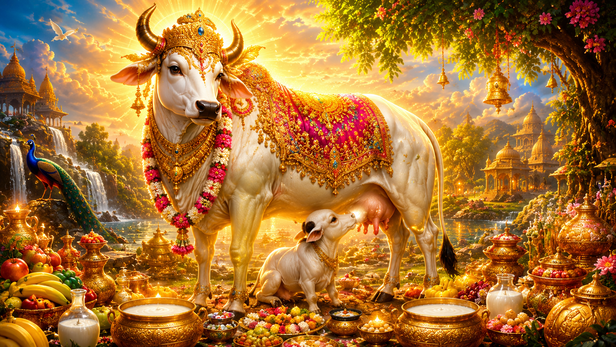
When Kamadhenu emerged during Samudra Manthan, both gods and demons understood her importance immediately. She was no ordinary cow. Scriptures describe her as the source of nourishment, prosperity, and sacred abundance. But spiritually, Kamadhenu represents selfless giving. Just like a mother provides without expecting anything back, this divine cow symbolizes pure generosity. Even today, many people connect cows with positivity and nurturing energy. The hidden lesson is simple true abundance enters life when giving becomes natural. This is why sages considered Kamadhenu not just magical, but spiritually powerful beyond imagination.
![Airavat Rising Through the Cosmic Waves]()
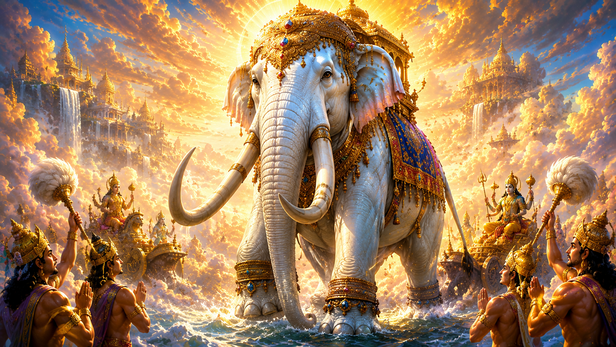
Among all treasures, Airavat stood out because of its incredible radiance and strength. The four-tusked white elephant was so majestic that Devraj Indra chose him as his royal vehicle instantly. Ancient scriptures describe Airavat as the bringer of rain and prosperity. Symbolically, this divine elephant represents stability, leadership, and royal responsibility. In modern life, people often chase power without balance. Airavat teaches that true strength is calm, disciplined, and protective. Its appearance during Samudra Manthan reminds us that real leadership comes not from ego, but from responsibility toward others.
![The Sacred Gem of Lord Vishnu]()
One of the most mysterious treasures was the Kaustubh Mani. It was said to be flawless, radiant, and filled with the energy of the universe itself. Lord Vishnu placed this jewel upon his chest, where it remains even today in divine depictions. Spiritually, the Kaustubh Mani represents inner purity. Many people spend their lives searching for value outside themselves, while scriptures quietly suggest that the real jewel exists within consciousness. The brighter your thoughts become, the more powerful your inner world becomes. This hidden meaning makes Kaustubh Mani far more than just a divine ornament.
The emergence of Kalpavriksha shocked even the gods because this divine tree could fulfill any wish instantly. Indra later took it to heaven, where it became a celestial symbol of abundance. But ancient sages explained a much deeper truth hidden inside this Ratna. They believed the human mind itself is a Kalpavriksha. Whatever thoughts you repeatedly nurture eventually shape your destiny. Positive thinking, focused action, and belief slowly transform reality. This is why the story still feels relevant today. The real wish-fulfilling power may not exist in heaven alone it may already exist inside every human mind.
When Rambha and other apsaras appeared from the ocean, their beauty mesmerized everyone present. But these celestial beings represented far more than physical attraction. In spiritual symbolism, apsaras reflect creativity, emotional expression, music, dance, and artistic energy. Ancient Indian culture always connected beauty with divine vibration rather than superficial appearance. Today, people often separate spirituality from creativity, but Samudra Manthan teaches that art itself can become sacred when used positively. The appearance of apsaras reminds humanity that joy, music, and emotional expression are also powerful forms of divine energy.
Samudra Manthan was never just about Amrit. The real treasure was the wisdom hidden inside every Ratna that emerged from the cosmic ocean. Each divine object symbolized something deeply connected to human life thoughts, purity, leadership, creativity, and inner consciousness. The most powerful truth is this: every human being goes through their own Samudra Manthan. Life constantly churns emotions, struggles, desires, and challenges. But if patience remains strong, hidden treasures eventually rise to the surface. That is why this ancient story still feels timeless even thousands of years later.
Unlock insightful tips and inspiration on personal growth, productivity, and well-being. Stay motivated and updated with the latest at My Life XP.
1. What is Samudra Manthan in Hindu mythology?
Samudra Manthan refers to the great churning of the cosmic ocean by gods and demons to obtain Amrit, the nectar of immortality. It is one of the most important stories mentioned in Hindu scriptures and symbolizes the struggle between positive and negative forces.
2. How many Ratnas emerged from Samudra Manthan?
According to ancient scriptures, 14 divine Ratnas emerged during Samudra Manthan. These included Kamadhenu, Airavat, Kaustubh Mani, Kalpavriksha, Goddess Lakshmi, and many other celestial treasures.
3. Why is Kaustubh Mani considered special?
Kaustubh Mani is believed to be the purest and most radiant jewel in the universe. Lord Vishnu wears it on his chest, and spiritually it symbolizes purity, wisdom, and divine consciousness.
4. What does Kalpavriksha symbolize spiritually?
Kalpavriksha is known as the wish-fulfilling divine tree. Spiritually, it represents the power of human thoughts and intentions. Ancient sages believed that the mind itself acts like a Kalpavriksha, shaping life through beliefs and actions.
5. Who received Airavat after Samudra Manthan?
Airavat, the majestic white elephant with four tusks, was chosen by Devraj Indra as his divine vehicle. It symbolizes strength, leadership, rain, and prosperity.
Kamadhenu: The Cow That Fulfilled Every Wish
Divine Kamadhenu Emerging from the Ocean
When Kamadhenu emerged during Samudra Manthan, both gods and demons understood her importance immediately. She was no ordinary cow. Scriptures describe her as the source of nourishment, prosperity, and sacred abundance. But spiritually, Kamadhenu represents selfless giving. Just like a mother provides without expecting anything back, this divine cow symbolizes pure generosity. Even today, many people connect cows with positivity and nurturing energy. The hidden lesson is simple true abundance enters life when giving becomes natural. This is why sages considered Kamadhenu not just magical, but spiritually powerful beyond imagination.
Airavat: The Elephant Chosen by Indra
Airavat Rising Through the Cosmic Waves
Among all treasures, Airavat stood out because of its incredible radiance and strength. The four-tusked white elephant was so majestic that Devraj Indra chose him as his royal vehicle instantly. Ancient scriptures describe Airavat as the bringer of rain and prosperity. Symbolically, this divine elephant represents stability, leadership, and royal responsibility. In modern life, people often chase power without balance. Airavat teaches that true strength is calm, disciplined, and protective. Its appearance during Samudra Manthan reminds us that real leadership comes not from ego, but from responsibility toward others.
Kaustubh Mani: The Jewel of Pure Consciousness
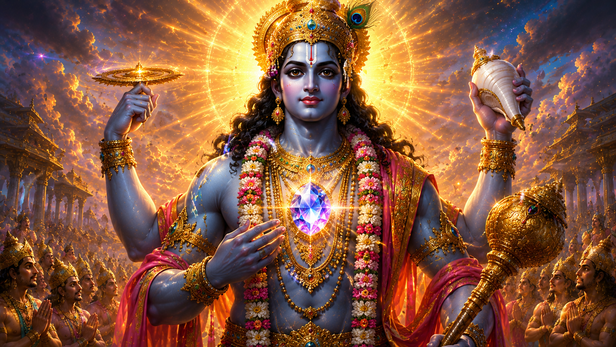
The Sacred Gem of Lord Vishnu
One of the most mysterious treasures was the Kaustubh Mani. It was said to be flawless, radiant, and filled with the energy of the universe itself. Lord Vishnu placed this jewel upon his chest, where it remains even today in divine depictions. Spiritually, the Kaustubh Mani represents inner purity. Many people spend their lives searching for value outside themselves, while scriptures quietly suggest that the real jewel exists within consciousness. The brighter your thoughts become, the more powerful your inner world becomes. This hidden meaning makes Kaustubh Mani far more than just a divine ornament.
Kalpavriksha: The Tree That Grants Every Desire
Rambha and the Apsaras: Beauty with a Deeper Purpose
Samudra Manthan is not just an ancient mythological
Unlock insightful tips and inspiration on personal growth, productivity, and well-being. Stay motivated and updated with the latest at My Life XP.
Frequently Asked Questions (FAQs)
Samudra Manthan refers to the great churning of the cosmic ocean by gods and demons to obtain Amrit, the nectar of immortality. It is one of the most important stories mentioned in Hindu scriptures and symbolizes the struggle between positive and negative forces.
2. How many Ratnas emerged from Samudra Manthan?
According to ancient scriptures, 14 divine Ratnas emerged during Samudra Manthan. These included Kamadhenu, Airavat, Kaustubh Mani, Kalpavriksha, Goddess Lakshmi, and many other celestial treasures.
3. Why is Kaustubh Mani considered special?
Kaustubh Mani is believed to be the purest and most radiant jewel in the universe. Lord Vishnu wears it on his chest, and spiritually it symbolizes purity, wisdom, and divine consciousness.
4. What does Kalpavriksha symbolize spiritually?
Kalpavriksha is known as the wish-fulfilling divine tree. Spiritually, it represents the power of human thoughts and intentions. Ancient sages believed that the mind itself acts like a Kalpavriksha, shaping life through beliefs and actions.
5. Who received Airavat after Samudra Manthan?
Airavat, the majestic white elephant with four tusks, was chosen by Devraj Indra as his divine vehicle. It symbolizes strength, leadership, rain, and prosperity.