Why Gods Must Stand Alone Before the World Listens
Deepika Kataria | Jan 02, 2026, 11:20 IST
Across mythology, gods retreat into solitude before guiding others. This withdrawal strips away ego, dependence, and borrowed beliefs, allowing truth to mature in silence. Whether through exile, stillness, or restraint, divine authority is formed alone. Only after this inner consolidation does presence gain the power to command attention and restore balance.

In mythology, gods rarely emerge from crowds. They do not begin their journeys amid applause, followers, or certainty. Instead, they withdraw.
They walk into forests, ascend mountains, sit in silence, or disappear from society altogether. Only after this period of separation do they return with authority that reshapes worlds.
This pattern is not accidental. Mythology repeatedly suggests that before the world listens, the divine must first stand alone.
This solitude is not punishment. It is preparation.
![The God in Solitude]() Before a god can guide others, their truth must survive isolation. In crowds, beliefs are reinforced by agreement. In solitude, belief stands naked. There is no validation, no echo, no comfort of shared opinion. What remains after isolation is not borrowed wisdom but lived truth.
Before a god can guide others, their truth must survive isolation. In crowds, beliefs are reinforced by agreement. In solitude, belief stands naked. There is no validation, no echo, no comfort of shared opinion. What remains after isolation is not borrowed wisdom but lived truth.
Shiva withdraws to cremation grounds and mountains, away from society’s rhythms. His power is not refined in temples but in places where identity dissolves.
In isolation, Shiva confronts impermanence directly. By standing alone with death, silence, and stillness, he becomes capable of holding creation and destruction without attachment.
A god who has not faced silence cannot speak with authority. Words born in noise collapse under pressure. Words born in solitude endure.
In mythology, no god is trained by a crowd. Authority is not conferred through instruction; it emerges through realization. This is why divine figures often vanish before they lead.
Rama spends years in exile before becoming king. In the forest, stripped of status, comfort, and recognition, Rama learns restraint without supervision.
He practices dharma when no one is watching. His solitude removes the temptation to perform virtue for approval. When he returns to rule, his authority is not symbolic it is internal.
The world listens only to those who no longer need its approval. Solitude severs the hunger for validation. Without that hunger, speech carries weight.
Standing Alone Separates Power From
![Forests, Mountains, and Exile]() One of mythology’s sharpest insights is that power mixed with ego destroys order. Solitude acts as a purifier. When a god stands alone, ego has no audience. There is no one to impress, dominate, or persuade.
One of mythology’s sharpest insights is that power mixed with ego destroys order. Solitude acts as a purifier. When a god stands alone, ego has no audience. There is no one to impress, dominate, or persuade.
Krishna, though surrounded by people in later life, experiences profound inner solitude. As a child, he is misunderstood. As a guide, he is doubted.
As a divine strategist, he is often alone with impossible choices. His guidance in the Bhagavad Gita does not emerge from emotional comfort but from clarity formed in inner separation.
Standing alone strips power of personal desire. What remains is purpose. Only then does leadership become service rather than control.
![Waiting as Sacred Discipline]() The world does not listen to noise. It listens to presence. Mythology suggests that presence is cultivated in silence.
The world does not listen to noise. It listens to presence. Mythology suggests that presence is cultivated in silence.
When gods speak too soon, their words are ignored.
When they return after solitude, their presence itself commands attention. This is why divine appearances often follow long absences. The withdrawal creates contrast. Silence sharpens significance.
Consider Vishnu’s incarnations.
Each appears only when imbalance becomes unbearable. Vishnu does not intervene constantly. He waits. That waiting is a form of standing alone detached from urgency, yet fully aware. When he acts, the world listens because the action is precise, not reactive.
Solitude trains restraint. Restraint creates authority.
Mythology understands something modern psychology confirms: dependence weakens leadership. A god dependent on praise, companionship, or reassurance cannot guide others through chaos.
Kali appears alone, unaccompanied, uncontrollable. Her solitude is terrifying because it reflects psychological independence. She does not seek harmony before action. She restores balance without consulting comfort.
By standing alone, gods become free from emotional negotiation. They no longer ask, “Will this be accepted?” They ask only, “Is this necessary?” The world listens because such certainty cannot be argued with it can only be felt.
![Alone, Yet Unmoved]() This may seem paradoxical, but mythology insists on it: compassion is refined in solitude, not social closeness.
This may seem paradoxical, but mythology insists on it: compassion is refined in solitude, not social closeness.
When alone, gods confront suffering without distraction. They do not escape pain through entertainment or companionship. This direct confrontation deepens empathy without sentimentality.
Buddha like figures (though not framed as gods in all traditions) leave society before returning to serve it. The pattern remains consistent. Compassion that has not passed through solitude becomes emotional indulgence. Compassion born from solitude becomes stabilizing force.
The world listens to compassion that does not beg for agreement.
Mythology does not romanticize divine solitude. It acknowledges its cost. Gods who stand alone are misunderstood, feared, or resisted. Their separation invites suspicion. But this cost is necessary.
To stand alone means accepting loneliness without resentment. It means holding truth without immediate confirmation. It means allowing misunderstanding without rushing to clarify. Only those who endure this can lead without manipulation.
When gods return, they do not explain themselves endlessly. They act. The world listens not because it understands fully, but because it senses coherence.
They walk into forests, ascend mountains, sit in silence, or disappear from society altogether. Only after this period of separation do they return with authority that reshapes worlds.
This pattern is not accidental. Mythology repeatedly suggests that before the world listens, the divine must first stand alone.
This solitude is not punishment. It is preparation.
Solitude as the Testing Ground of Truth
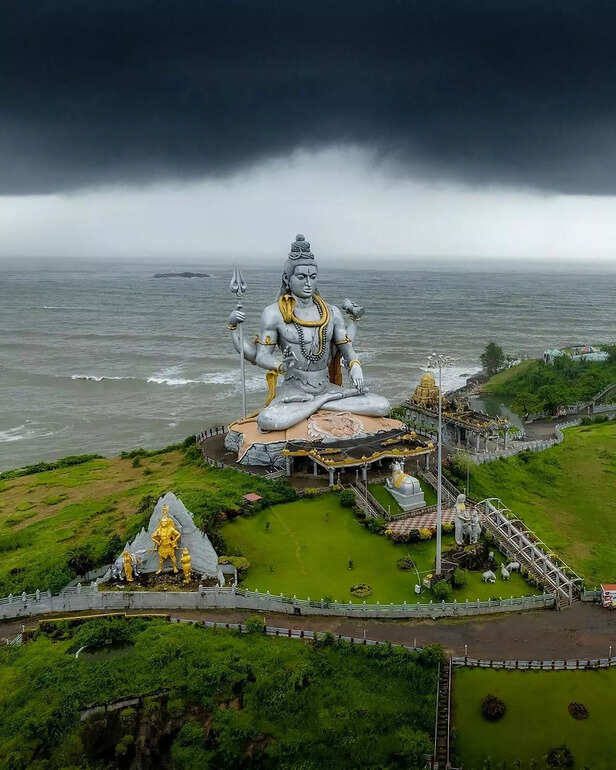
The God in Solitude
Shiva withdraws to cremation grounds and mountains, away from society’s rhythms. His power is not refined in temples but in places where identity dissolves.
In isolation, Shiva confronts impermanence directly. By standing alone with death, silence, and stillness, he becomes capable of holding creation and destruction without attachment.
A god who has not faced silence cannot speak with authority. Words born in noise collapse under pressure. Words born in solitude endure.
Why Authority Cannot Be Taught, Only Realized
Rama spends years in exile before becoming king. In the forest, stripped of status, comfort, and recognition, Rama learns restraint without supervision.
He practices dharma when no one is watching. His solitude removes the temptation to perform virtue for approval. When he returns to rule, his authority is not symbolic it is internal.
The world listens only to those who no longer need its approval. Solitude severs the hunger for validation. Without that hunger, speech carries weight.
Standing Alone Separates Power From Ego

Forests, Mountains, and Exile
Krishna, though surrounded by people in later life, experiences profound inner solitude. As a child, he is misunderstood. As a guide, he is doubted.
As a divine strategist, he is often alone with impossible choices. His guidance in the Bhagavad Gita does not emerge from emotional comfort but from clarity formed in inner separation.
Standing alone strips power of personal desire. What remains is purpose. Only then does leadership become service rather than control.
Why the World Resists Listening Until Authority Is Silent

Waiting as Sacred Discipline
When gods speak too soon, their words are ignored.
When they return after solitude, their presence itself commands attention. This is why divine appearances often follow long absences. The withdrawal creates contrast. Silence sharpens significance.
Consider Vishnu’s incarnations.
Each appears only when imbalance becomes unbearable. Vishnu does not intervene constantly. He waits. That waiting is a form of standing alone detached from urgency, yet fully aware. When he acts, the world listens because the action is precise, not reactive.
Solitude trains restraint. Restraint creates authority.
Isolation as Freedom From Psychological Dependence
Kali appears alone, unaccompanied, uncontrollable. Her solitude is terrifying because it reflects psychological independence. She does not seek harmony before action. She restores balance without consulting comfort.
By standing alone, gods become free from emotional negotiation. They no longer ask, “Will this be accepted?” They ask only, “Is this necessary?” The world listens because such certainty cannot be argued with it can only be felt.
Why Solitude Precedes Compassion

Alone, Yet Unmoved
When alone, gods confront suffering without distraction. They do not escape pain through entertainment or companionship. This direct confrontation deepens empathy without sentimentality.
Buddha like figures (though not framed as gods in all traditions) leave society before returning to serve it. The pattern remains consistent. Compassion that has not passed through solitude becomes emotional indulgence. Compassion born from solitude becomes stabilizing force.
The world listens to compassion that does not beg for agreement.
The Cost of Standing Alone
To stand alone means accepting loneliness without resentment. It means holding truth without immediate confirmation. It means allowing misunderstanding without rushing to clarify. Only those who endure this can lead without manipulation.
When gods return, they do not explain themselves endlessly. They act. The world listens not because it understands fully, but because it senses coherence.