Why Govt Suddenly Stopped LPG Refills for PNG Homes
Noopur Kumari | Sun, 15 Mar 2026
India is the world’s second-largest consumer of LPG, but there’s a hidden vulnerability many people overlook nearly 90% of its supply comes from imports. That means events thousands of kilometres away can suddenly affect everyday kitchens. Recently, rising tensions involving Iran, the United States, and Israel disrupted shipping through the vital Strait of Hormuz. This narrow passage carries a huge share of the world’s oil and LPG. When shipments slowed, India faced a serious risk and the government quietly made a decision that could change how millions of households receive cooking gas.

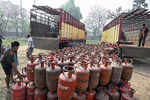
A delivery man loads refilled LPG cylinder following a ...
Image credit : ANI
For many Indian families, a cooking gas cylinder is part of daily life. You book a refill, the delivery arrives, and the kitchen keeps running smoothly. But now, a new rule has quietly changed that routine. The government has announced that households with Piped Natural Gas connections can no longer hold or refill Liquefied Petroleum Gas cylinders. At first, it may seem like a small policy change. However, the real reason lies far beyond Indian homes linked to global tensions, disrupted energy routes, and supply concerns near the Strait of Hormuz, a key path for India’s gas imports.
![Govt bars PNG consumers from retaining or refilling domestic LPG cylinders]()
The Ministry of Petroleum and Natural Gas has issued a revised supply order affecting domestic gas distribution. According to the new rule, households that already have Piped Natural Gas connections cannot hold or refill Liquefied Petroleum Gas cylinders. State-run oil companies have been instructed to stop providing LPG connections to such consumers. The aim is simple: prevent duplicate fuel usage and ensure limited LPG supplies reach households that depend entirely on cylinders for cooking.
![People wait outside a gas agency to refill the LPG cylind...]()
Much of India’s Liquefied Petroleum Gas supply comes from the Middle East, making the country highly dependent on international shipping routes. Recently, rising geopolitical tensions involving Iran, the United States, and Israel have disrupted energy transportation in the region. The Strait of Hormuz, one of the world’s most vital oil and gas corridors, has faced serious disruptions. Since a large portion of global LPG shipments pass through this narrow waterway, delays quickly affected supplies heading to India. As imports slowed down, policymakers were forced to reassess how available LPG should be distributed across the country to prevent shortages.
Data from global analytics firm Kpler shows that Liquefied Petroleum Gas shipments to India for the week beginning March 9 were around 270,000 tons, the lowest level since April 2023. The sharp decline occurred as supply flows from the Middle East slowed significantly amid regional tensions. Since India imports nearly 90 percent of its LPG needs, even a short disruption in shipments can impact millions of households that rely on cylinders for daily cooking. Recognising this risk, policymakers moved quickly to conserve available supplies and manage distribution carefully to avoid potential shortages across the country.
To stabilise supplies, Hardeep Singh Puri told Parliament that India is now seeking LPG cargoes from multiple countries. These include the United States, Norway, Canada, Algeria, and Russia. At the same time, refiners have been directed to increase domestic production. According to officials, India’s LPG output has already increased by about 28 percent to reduce dependence on imports.
For households with Piped Natural Gas, the new rule means relying entirely on pipeline gas for daily cooking needs. These homes will no longer be able to hold or refill Liquefied Petroleum Gas cylinders. Meanwhile, families that do not have PNG connections will continue receiving LPG cylinders as usual. The policy is designed to ensure that limited LPG supplies are directed toward households that depend on cylinders as their only cooking fuel. While some urban consumers may find the change inconvenient, officials say the step is necessary to avoid shortages and maintain stable cooking gas availability during uncertain global energy conditions.
Unlock insightful tips and inspiration on personal growth, productivity, and well-being. Stay motivated and updated with the latest at My Life XP.
1. Why has the government stopped LPG refills for households with PNG connections?
The government introduced this rule to conserve Liquefied Petroleum Gas supplies. Since households with Piped Natural Gas already have an alternative cooking fuel, the policy ensures LPG cylinders are prioritized for families who rely on them as their only energy source.
2. Does this rule affect all LPG consumers in India?
No. The rule mainly affects households that already have PNG connections. Families without PNG will continue to receive LPG cylinders and refills as usual.
3. Why are LPG supplies under pressure right now?
Recent geopolitical tensions involving Iran, the United States, and Israel disrupted shipments through the Strait of Hormuz, a key route for global oil and gas transportation.
4. How much LPG does India import?
India imports nearly 90 percent of its LPG requirements. Because of this heavy dependence on imports, disruptions in global shipping routes can quickly affect domestic supply.
A New Rule for Homes With PNG
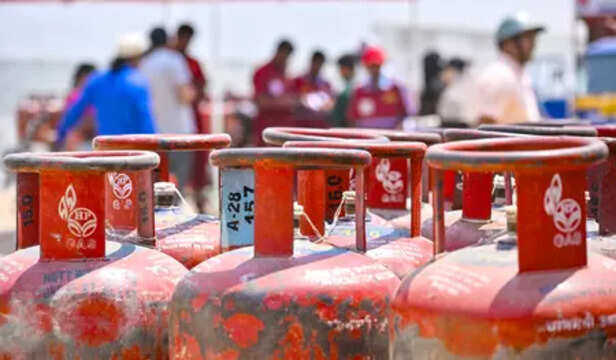
Govt bars PNG consumers from retaining or refilling domestic LPG cylinders
Image credit : IANS
The Ministry of Petroleum and Natural Gas has issued a revised supply order affecting domestic gas distribution. According to the new rule, households that already have Piped Natural Gas connections cannot hold or refill Liquefied Petroleum Gas cylinders. State-run oil companies have been instructed to stop providing LPG connections to such consumers. The aim is simple: prevent duplicate fuel usage and ensure limited LPG supplies reach households that depend entirely on cylinders for cooking.
The Global Tension Behind the Decision
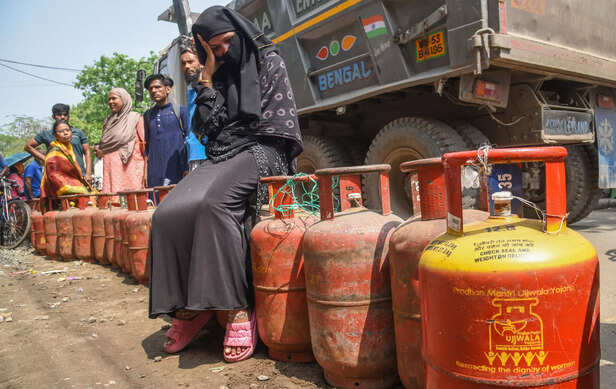
People wait outside a gas agency to refill the LPG cylind...
Image credit : ANI
Much of India’s Liquefied Petroleum Gas supply comes from the Middle East, making the country highly dependent on international shipping routes. Recently, rising geopolitical tensions involving Iran, the United States, and Israel have disrupted energy transportation in the region. The Strait of Hormuz, one of the world’s most vital oil and gas corridors, has faced serious disruptions. Since a large portion of global LPG shipments pass through this narrow waterway, delays quickly affected supplies heading to India. As imports slowed down, policymakers were forced to reassess how available LPG should be distributed across the country to prevent shortages.
Why LPG Imports Suddenly Dropped
India’s Emergency Plan to Secure Gas
What This Means for Indian Households
Unlock insightful tips and inspiration on personal growth, productivity, and well-being. Stay motivated and updated with the latest at My Life XP.
Frequently Asked Questions (FAQs)
The government introduced this rule to conserve Liquefied Petroleum Gas supplies. Since households with Piped Natural Gas already have an alternative cooking fuel, the policy ensures LPG cylinders are prioritized for families who rely on them as their only energy source.
2. Does this rule affect all LPG consumers in India?
No. The rule mainly affects households that already have PNG connections. Families without PNG will continue to receive LPG cylinders and refills as usual.
3. Why are LPG supplies under pressure right now?
Recent geopolitical tensions involving Iran, the United States, and Israel disrupted shipments through the Strait of Hormuz, a key route for global oil and gas transportation.
4. How much LPG does India import?
India imports nearly 90 percent of its LPG requirements. Because of this heavy dependence on imports, disruptions in global shipping routes can quickly affect domestic supply.