Why Hanuman Chalisa Is 100x More Powerful on Bada Mangal
Deepak Rajeev | Sat, 02 May 2026
Devotees believe that the Hanuman Chalisa becomes especially powerful on Bada Mangal due to heightened spiritual energy, collective worship, and deep devotional focus. Associated with Lord Hanuman and Tuesday traditions, this sacred period amplifies chanting practices and emotional connection. While not a literal scientific fact, it reflects strong cultural belief, devotion, and the symbolic power of faith-driven rituals in Hindu tradition.

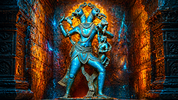
Lord Bajrangbali (Image Credit: AI)
The belief that the Hanuman Chalisa becomes especially powerful on Bada Mangal is deeply rooted in North Indian devotional traditions, where faith, symbolism, and collective worship come together in a very intense spiritual atmosphere. Bada Mangal, observed on Tuesdays during the month of Jyeshtha, is considered a period when devotion to Lord Hanuman reaches its peak. In 2026, this period begins around early May and continues through successive Tuesdays, drawing large numbers of devotees to temples and community prayers.
The idea of “100x more powerful” is not a literal measurement found in scripture, but a faith-based expression used by devotees to describe heightened spiritual experience during this time.
![Hanuman Jhi (Image Credit: AI)]()
In Hindu tradition, Tuesday (Mangalvar) is strongly associated with Lord Hanuman because he is symbolically linked with the planet Mars (Mangal), which represents strength, courage, discipline, and protection. This association is why Hanuman worship is especially emphasized on Tuesdays across India.
During Bada Mangal, this already sacred weekday gains additional importance because it falls in the Jyeshtha month, a period traditionally linked with intense heat, austerity, and spiritual discipline. Devotees believe that prayers performed in such conditions carry deeper emotional focus and stronger intent. The Hanuman Chalisa, being a structured devotional hymn of 40 verses composed by Tulsidas, becomes the central practice for many worshippers during this period.
![Lord Anjaneya (Image Credit: AI)]()
The perception of increased spiritual power during Bada Mangal comes from a combination of ritual intensity and collective devotion. Temples are filled with continuous chanting, community food offerings, fasting practices, and long recitations of Hanuman Chalisa. This shared environment creates a powerful psychological and emotional experience for devotees.
Many traditions describe Hanuman as a protector who removes fear and negative influences, especially when prayers are offered with sincerity. In astrological belief systems, Hanuman is also associated with protection from planetary challenges, which adds to the sense of spiritual urgency during his worship days. Because of this, devotees feel that chanting the Hanuman Chalisa during Bada Mangal carries amplified intention, focus, and devotion, which is why it is often described in symbolic language as “many times more powerful.”
One of the strongest reasons behind this belief is the scale of participation during Bada Mangal. Across regions like Uttar Pradesh and Delhi, thousands of devotees gather in temples, sing Hanuman Chalisa, and participate in charity and community feeding programs. These acts are seen as reflections of Hanuman’s own qualities of service, humility, and strength. This collective atmosphere creates a sense of emotional unity. In spiritual psychology, shared belief and synchronised chanting often intensify personal experience, making individuals feel a stronger connection to the deity. This is why many devotees report feeling unusually calm, focused, or spiritually “charged” during this time.
The phrase “100x more powerful” should be understood as symbolic language rather than a literal claim. It reflects the idea that timing, intention, and devotion together can deepen spiritual practice. In traditional belief systems, sacred periods like Bada Mangal are seen as opportunities where discipline and faith naturally intensify the effect of prayer. The Hanuman Chalisa itself is considered a complete devotional hymn that inspires courage, peace, and protection. When combined with the heightened devotion of Bada Mangal, believers interpret the experience as significantly more impactful on the mind and heart.
At its core, this tradition is less about mathematical power and more about human experience of faith under collective devotion. Bada Mangal amplifies participation, focus, and emotional sincerity, while the Hanuman Chalisa provides a structured spiritual expression of devotion. Whether viewed through belief or psychology, the outcome is similar: a stronger sense of discipline, emotional stability, and connection to a higher ideal. And in the end, many traditions acknowledge that even today, we still don’t fully understand the depth of human perception when it comes to faith, devotion, and spiritual experience.
Unlock insightful tips and inspiration on personal growth, productivity, and well-being. Stay motivated and updated with the latest at My Life XP.
The idea of “100x more powerful” is not a literal measurement found in scripture, but a faith-based expression used by devotees to describe heightened spiritual experience during this time.
The Spiritual Link Between Hanuman and Tuesday Energy
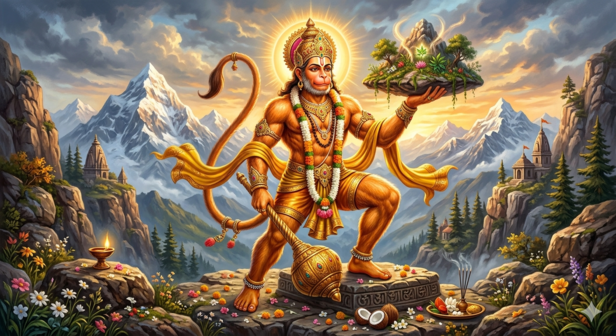
Hanuman Jhi (Image Credit: AI)
In Hindu tradition, Tuesday (Mangalvar) is strongly associated with Lord Hanuman because he is symbolically linked with the planet Mars (Mangal), which represents strength, courage, discipline, and protection. This association is why Hanuman worship is especially emphasized on Tuesdays across India.
During Bada Mangal, this already sacred weekday gains additional importance because it falls in the Jyeshtha month, a period traditionally linked with intense heat, austerity, and spiritual discipline. Devotees believe that prayers performed in such conditions carry deeper emotional focus and stronger intent. The Hanuman Chalisa, being a structured devotional hymn of 40 verses composed by Tulsidas, becomes the central practice for many worshippers during this period.
Why Devotees Believe the Energy Feels Stronger
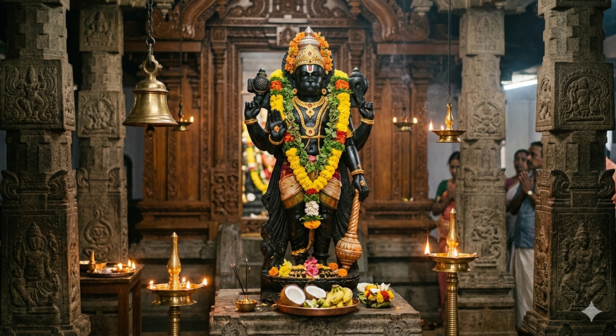
Lord Anjaneya (Image Credit: AI)
The perception of increased spiritual power during Bada Mangal comes from a combination of ritual intensity and collective devotion. Temples are filled with continuous chanting, community food offerings, fasting practices, and long recitations of Hanuman Chalisa. This shared environment creates a powerful psychological and emotional experience for devotees.
Many traditions describe Hanuman as a protector who removes fear and negative influences, especially when prayers are offered with sincerity. In astrological belief systems, Hanuman is also associated with protection from planetary challenges, which adds to the sense of spiritual urgency during his worship days. Because of this, devotees feel that chanting the Hanuman Chalisa during Bada Mangal carries amplified intention, focus, and devotion, which is why it is often described in symbolic language as “many times more powerful.”
The Role of Collective Devotion and Ritual Practice
One of the strongest reasons behind this belief is the scale of participation during Bada Mangal. Across regions like Uttar Pradesh and Delhi, thousands of devotees gather in temples, sing Hanuman Chalisa, and participate in charity and community feeding programs. These acts are seen as reflections of Hanuman’s own qualities of service, humility, and strength. This collective atmosphere creates a sense of emotional unity. In spiritual psychology, shared belief and synchronised chanting often intensify personal experience, making individuals feel a stronger connection to the deity. This is why many devotees report feeling unusually calm, focused, or spiritually “charged” during this time.
The Hidden Meaning Behind “100x More Powerful”
The phrase “100x more powerful” should be understood as symbolic language rather than a literal claim. It reflects the idea that timing, intention, and devotion together can deepen spiritual practice. In traditional belief systems, sacred periods like Bada Mangal are seen as opportunities where discipline and faith naturally intensify the effect of prayer. The Hanuman Chalisa itself is considered a complete devotional hymn that inspires courage, peace, and protection. When combined with the heightened devotion of Bada Mangal, believers interpret the experience as significantly more impactful on the mind and heart.
The Deeper Truth Behind the Belief
At its core, this tradition is less about mathematical power and more about human experience of faith under collective devotion. Bada Mangal amplifies participation, focus, and emotional sincerity, while the Hanuman Chalisa provides a structured spiritual expression of devotion. Whether viewed through belief or psychology, the outcome is similar: a stronger sense of discipline, emotional stability, and connection to a higher ideal. And in the end, many traditions acknowledge that even today, we still don’t fully understand the depth of human perception when it comes to faith, devotion, and spiritual experience.
Unlock insightful tips and inspiration on personal growth, productivity, and well-being. Stay motivated and updated with the latest at My Life XP.