Why Jaishankar’s Latest US Meeting Has Everyone Talking
Noopur Kumari | May 25, 2026, 07:00 IST
India and the United States are no longer speaking like ordinary partners. Their latest discussions revealed something much larger a strategic shift that could influence global security, defence partnerships, energy routes, and the future of international diplomacy. Jaishankar’s direct mention of terrorism, combined with talks around the Gulf crisis, Ukraine, defence deals, and supply chains, hinted at a bigger reality many people are missing. This meeting was not just about diplomacy. It was about preparing for a rapidly changing world where trust between nations is becoming more valuable than ever before.

At a time when the world is watching wars, rising tensions, and shifting alliances, one statement from India’s External Affairs Minister Subrahmanyam Jaishankar quietly grabbed global attention. During crucial talks with US Secretary of State Marco Rubio in New Delhi, Jaishankar called terrorism a “shared challenge” between India and the United States. But this was not just another diplomatic sentence. Behind those carefully chosen words was a deeper message about power, security, and India’s growing role in global politics. As tensions rise in the Gulf region and world leaders rush to secure alliances, India appears ready to take a much bigger position on the world stage.
![EAM speaks with US State Secy Rubio, discusses energy security amid West Asia conflict]()
Diplomatic meetings are usually filled with formal language, but Jaishankar’s words carried unusual sharpness. When he called terrorism a “shared challenge,” it sounded less like a routine statement and more like a global warning. India has repeatedly faced terror attacks over the years, while the United States has battled international terror networks for decades. By directly connecting both nations through this issue, Jaishankar signaled that future cooperation may go beyond trade and defence. The statement also reminded the world that security threats are no longer local problems. In today’s interconnected world, instability in one region can quickly impact global peace, economies, and international relations.
![Growing Global Concern Over Gulf Region]()
The Gulf region has once again become one of the world’s biggest pressure points. Oil routes, trade corridors, and political alliances are all under stress. During the India-US talks, the Gulf crisis reportedly became a major discussion topic because even a small escalation can affect fuel prices, global markets, and regional stability. India depends heavily on energy imports and also has millions of citizens connected to the Gulf through work and business. The United States, meanwhile, sees the region as strategically critical. This is why the conversations between Jaishankar and Rubio carried urgency. Both countries understand that what happens in West Asia could reshape global politics very quickly.
For years, India and the US maintained strong ties, but this meeting showed the relationship entering a more serious phase. Jaishankar described it as a “comprehensive global strategic partnership,” and that phrase matters. It means cooperation is no longer limited to one issue. Defence agreements, technology sharing, energy security, supply chains, and diplomacy are now deeply connected. Rubio’s statement that India has the power to influence global events further highlighted Washington’s growing confidence in New Delhi. The message was simple but powerful India is no longer being viewed only as a regional player. It is increasingly being seen as a country capable of shaping major global outcomes.
One of the most emotional moments during the discussions came when Jaishankar thanked the United States for extraditing a key accused linked to the 26/11 Mumbai terror attacks. This instantly shifted the tone from diplomacy to memory and justice. The Mumbai attacks remain one of India’s darkest chapters, and mentioning them publicly during such talks carried deep significance. It reinforced India’s long-standing demand for stronger global action against terrorism. More importantly, it showed how counter-terror cooperation has become one of the strongest pillars of India-US relations. Sometimes a single reference in diplomacy reveals more emotion and intent than an entire official statement.
While headlines focused on terrorism and the Gulf crisis, the deeper story was India’s growing confidence on the global stage. Jaishankar repeatedly spoke about trusted partnerships, resilient supply chains, international law, and open maritime commerce. These are not random diplomatic phrases. They reflect India’s attempt to position itself as a stable and dependable power during uncertain times. In a world facing wars, economic shocks, and political divisions, countries are looking for reliable partners. India seems determined to present itself as one of them. That may ultimately become the biggest takeaway from this high-profile meeting with the United States.
Unlock insightful tips and inspiration on personal growth, productivity, and well-being. Stay motivated and updated with the latest at My Life XP.
1. Why were the India-US talks important?
The talks were important because they focused on major global issues like terrorism, the Gulf crisis, defence cooperation, energy security, and trade partnerships. The meeting also highlighted India’s growing role in global diplomacy.
2. What did Jaishankar mean by terrorism being a “shared challenge”?
Jaishankar meant that both India and the United States have suffered from terrorism and face similar security threats. His statement emphasized stronger cooperation between the two countries against global terror networks.
3. Why is the Gulf crisis worrying for India and the US?
The Gulf region is crucial for global oil supply, trade routes, and regional stability. Any conflict there can affect fuel prices, international markets, and security interests for both India and the United States.
4. What did Marco Rubio say about India?
Marco Rubio described India as one of America’s most important strategic partners and said India has the economic and diplomatic power to influence global events.
5. Was defence cooperation discussed during the meeting?
Yes, defence cooperation was a major part of the discussions. Both sides talked about the renewed 10-year defence partnership framework and future collaboration under ‘Make in India’ initiatives.
A Warning Hidden Inside Diplomacy
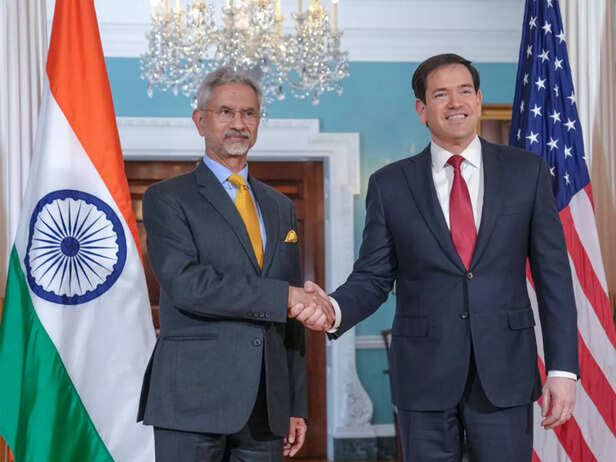
EAM speaks with US State Secy Rubio, discusses energy security amid West Asia conflict
Diplomatic meetings are usually filled with formal language, but Jaishankar’s words carried unusual sharpness. When he called terrorism a “shared challenge,” it sounded less like a routine statement and more like a global warning. India has repeatedly faced terror attacks over the years, while the United States has battled international terror networks for decades. By directly connecting both nations through this issue, Jaishankar signaled that future cooperation may go beyond trade and defence. The statement also reminded the world that security threats are no longer local problems. In today’s interconnected world, instability in one region can quickly impact global peace, economies, and international relations.
Why The Gulf Crisis Changed Everything
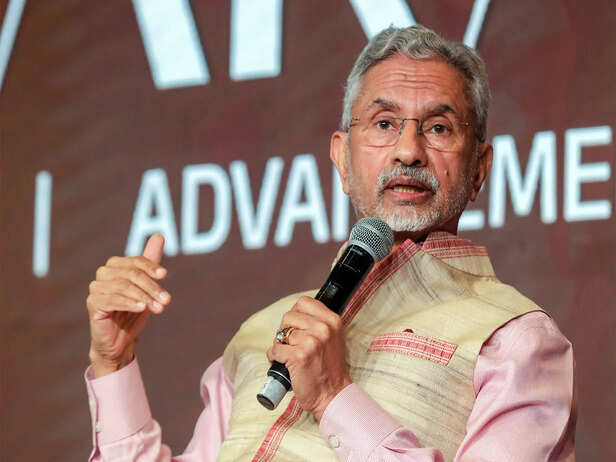
Growing Global Concern Over Gulf Region
The Gulf region has once again become one of the world’s biggest pressure points. Oil routes, trade corridors, and political alliances are all under stress. During the India-US talks, the Gulf crisis reportedly became a major discussion topic because even a small escalation can affect fuel prices, global markets, and regional stability. India depends heavily on energy imports and also has millions of citizens connected to the Gulf through work and business. The United States, meanwhile, sees the region as strategically critical. This is why the conversations between Jaishankar and Rubio carried urgency. Both countries understand that what happens in West Asia could reshape global politics very quickly.
The Partnership Becoming Bigger Than Expected
The Mumbai Attack Reference That Changed The Mood
What The World May Have Missed
Unlock insightful tips and inspiration on personal growth, productivity, and well-being. Stay motivated and updated with the latest at My Life XP.
Frequently Asked Questions (FAQs)
The talks were important because they focused on major global issues like terrorism, the Gulf crisis, defence cooperation, energy security, and trade partnerships. The meeting also highlighted India’s growing role in global diplomacy.
2. What did Jaishankar mean by terrorism being a “shared challenge”?
Jaishankar meant that both India and the United States have suffered from terrorism and face similar security threats. His statement emphasized stronger cooperation between the two countries against global terror networks.
3. Why is the Gulf crisis worrying for India and the US?
The Gulf region is crucial for global oil supply, trade routes, and regional stability. Any conflict there can affect fuel prices, international markets, and security interests for both India and the United States.
4. What did Marco Rubio say about India?
Marco Rubio described India as one of America’s most important strategic partners and said India has the economic and diplomatic power to influence global events.
5. Was defence cooperation discussed during the meeting?
Yes, defence cooperation was a major part of the discussions. Both sides talked about the renewed 10-year defence partnership framework and future collaboration under ‘Make in India’ initiatives.