Why Krishna and Kali Share the Same Energy
Noopur Kumari | Tue, 28 Apr 2026
Why were Krishna and Kali seen as one energy despite appearing so different What hidden truth does ancient Tantra reveal about their connection? How did Vaishnav and Shakt traditions come together instead of staying separate? And what deeper meaning lies behind the mysterious form of KrishnaKali? These questions open a door most people never step through. Because this is not just mythology. It is a deeper spiritual insight about unity, balance, and the true nature of divine energy.

Krishna and Kali Side by Side
Image credit : ChatGPT (ai)
What if two of the most powerful divine forms are actually one? It may sound impossible at first. On one side stands Krishna the embodiment of love, joy, and divine play On the other stands Kali the fierce force of destruction and transformation. They seem completely opposite. But ancient wisdom reveals something deeper. These are not separate energies, but two expressions of the same truth. Love and power. Creation and destruction. And this unity is symbolized in a mysterious concept Krishna Kali.
![Ancient Manuscript of Tantra]()
Krishna represents beauty, love, and harmony. Kali represents power, destruction, and raw truth. At first glance, they seem completely different. But look deeper. Both destroy illusion. Both guide the soul. Both lead toward liberation. One does it through love.
The other through intensity. Different paths same destination. This is where the idea begins that they are not separate forces,
but expressions of the same divine energy.
![Temple Ritual in Bengal]()
In the Tenth Chapter of Todal Tantra, a powerful dialogue unfolds. Parvati asks Shiva about the true nature of Vishnu’s ten avatars. Shiva reveals something unexpected. The Dashavatara are linked to the ten Mahavidyas. This means divine masculine and feminine are not separate. They are interconnected. Within this framework Krishna and Kali are not different beings They are reflections of the same cosmic force.
In regions like Bengal, something unique happened. Vaishnav (Krishna devotion) and Shakt (Kali worship) traditions merged. This was not conflict it was integration. Devotees began to see unity instead of division. Love and power devotion and transformation
came together. And from this union emerged a symbolic form KrishnaKali. A reminder that spiritual truth
is not about separation,
but connection.
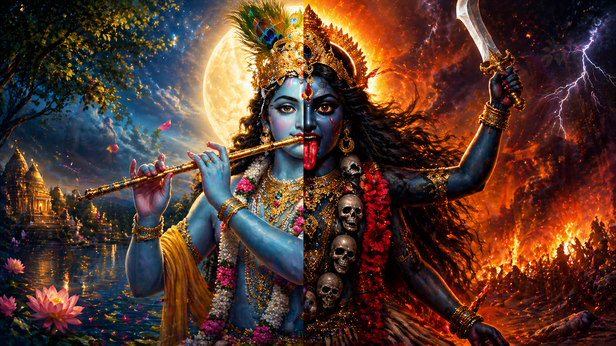
Kali is deeply symbolic. A single form carrying two identities. A garland of skulls symbol of Kali. A flute symbol of Krishna. Destruction and creation Silence and melody. This form challenges the mind. Because it breaks the idea of duality. It tells you what you see as opposite may actually be one. And that realization changes everything.
KrishnaKali is not just a concept. It is a message. Life is not only soft and beautiful. Nor is it only harsh and intense. It is both. When you accept only one side you stay incomplete. But when you embrace both you understand reality. This is the essence of KrishnaKali. Not division but balance. Not difference but unity.
Unlock insightful tips and inspiration on personal growth, productivity, and well-being. Stay motivated and updated with the latest at My Life XP.
1. Are Krishna and Kali really considered the same?
In some spiritual interpretations, yes. Certain Tantric and philosophical views see them as different expressions of one universal divine energy one through love and play, the other through transformation and power.
2. What is the concept of KrishnaKali?
KrishnaKali is a symbolic idea that unites Krishna and Kali into one form, representing the balance between creation and destruction, beauty and intensity, love and truth.
3. Which text explains this connection?
The idea is often linked to interpretations found in Todal Tantra, where connections between divine forms and cosmic energies are explored.
4. How are Vishnu’s avatars connected to Mahavidyas?
Some Tantric traditions suggest that the ten avatars of Vishnu correspond to the ten Mahavidyas, showing a deep link between masculine and feminine divine energies.
5. Why did Vaishnav and Shakt traditions merge?
In regions like Bengal, spiritual practices evolved to see unity rather than division, leading to a blending of devotion (Krishna) and power (Kali).
Two Opposites Or One Truth?
Ancient Manuscript of Tantra
Image credit : ChatGPT :(ai)
Krishna represents beauty, love, and harmony. Kali represents power, destruction, and raw truth. At first glance, they seem completely different. But look deeper. Both destroy illusion. Both guide the soul. Both lead toward liberation. One does it through love.
The other through intensity. Different paths same destination. This is where the idea begins that they are not separate forces,
but expressions of the same divine energy.
The Secret Hidden in Todal Tantra
Temple Ritual in Bengal
Image credit : chatgpt(ai)
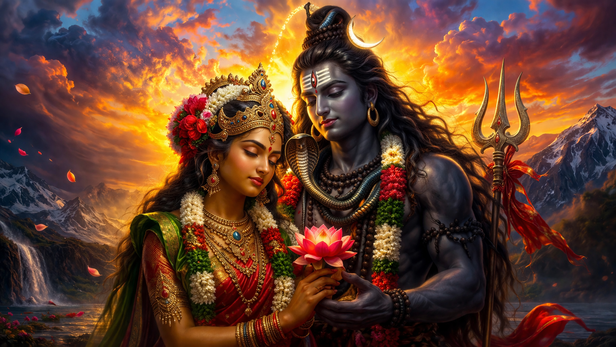
In the Tenth Chapter of Todal Tantra, a powerful dialogue unfolds. Parvati asks Shiva about the true nature of Vishnu’s ten avatars. Shiva reveals something unexpected. The Dashavatara are linked to the ten Mahavidyas. This means divine masculine and feminine are not separate. They are interconnected. Within this framework Krishna and Kali are not different beings They are reflections of the same cosmic force.
When Traditions Became One
came together. And from this union emerged a symbolic form KrishnaKali. A reminder that spiritual truth
is not about separation,
but connection.
The Symbolism of KrishnaKali Krishna
The Deeper Spiritual Message
Unlock insightful tips and inspiration on personal growth, productivity, and well-being. Stay motivated and updated with the latest at My Life XP.
Frequently Asked Questions (FAQs)
In some spiritual interpretations, yes. Certain Tantric and philosophical views see them as different expressions of one universal divine energy one through love and play, the other through transformation and power.
2. What is the concept of KrishnaKali?
KrishnaKali is a symbolic idea that unites Krishna and Kali into one form, representing the balance between creation and destruction, beauty and intensity, love and truth.
3. Which text explains this connection?
The idea is often linked to interpretations found in Todal Tantra, where connections between divine forms and cosmic energies are explored.
4. How are Vishnu’s avatars connected to Mahavidyas?
Some Tantric traditions suggest that the ten avatars of Vishnu correspond to the ten Mahavidyas, showing a deep link between masculine and feminine divine energies.
5. Why did Vaishnav and Shakt traditions merge?
In regions like Bengal, spiritual practices evolved to see unity rather than division, leading to a blending of devotion (Krishna) and power (Kali).