Why Krishna Never Returned to Live in Vrindavan: A Lesson in Growth & Separation
Srota Swati Tripathy | MyLifeXP Bureau | 29ec 29, 2025, 15:27 IST
Krishna never returned to live in Vrindavan because growth demands separation. By choosing purpose over comfort and responsibility over nostalgia, he showed that love does not weaken with distance. His absence preserved Vrindavan’s innocence while teaching a timeless lesson: some chapters shape us, but are not meant to be revisited.

For many devotees, one question quietly aches beneath the poetry of Krishna’s life: If Vrindavan was love, innocence, and belonging why did Krishna never return to live there? It seems almost unfair. Vrindavan was where he was most loved, least burdened, and entirely himself. Yet he chose to stay away. I do not see this as abandonment or indifference. I see it as one of Krishna’s most difficult and human lessons.
![Vrindavan, prem mandir]() Vrindavan represents childhood: joy without responsibility, love without expectation, existence without strategy. But no one can live in childhood forever not even Krishna. Returning permanently would have meant freezing growth at its most comfortable stage.
Vrindavan represents childhood: joy without responsibility, love without expectation, existence without strategy. But no one can live in childhood forever not even Krishna. Returning permanently would have meant freezing growth at its most comfortable stage.
In my experience, the places where we are loved unconditionally can also quietly limit us. When we stay too long where we are deeply cherished, our identity becomes tied to who we were, not who we must become. Krishna’s departure was not rejection; it was evolution.
Krishna loved Vrindavan but he refused to imprison love inside geography. His bond with the gopis and Yashoda did not require physical presence to remain alive. This challenges the modern idea that love must constantly be visible to be real.
I have seen this truth in real life: children leaving homes, partners pursuing separate callings, parents letting go. Love matures when it survives distance. Krishna’s absence was not emotional withdrawal; it was emotional maturity.
Purpose Over Preference
Vrindavan was where Krishna’s heart rested, but Mathura and Dwarka were where his purpose called. Krishna chose responsibility over comfort, duty over desire. This is uncomfortable wisdom, yet deeply relevant today. We often cling to spaces and people that feel safe, even when life demands expansion. Krishna’s life reminds us that choosing purpose sometimes requires leaving behind what feels like home. Growth is rarely gentle.
![Returning to birthtown]() Had Krishna returned to Vrindavan as the king-maker and strategist he became, he would no longer belong to that innocence. Power changes relationships. His presence would have altered the very freedom that defined Vrindavan. I believe Krishna stayed away to protect the purity of those memories not to escape them. Some relationships are preserved by absence, not presence. This is a painful, adult truth few of us accept easily.
Had Krishna returned to Vrindavan as the king-maker and strategist he became, he would no longer belong to that innocence. Power changes relationships. His presence would have altered the very freedom that defined Vrindavan. I believe Krishna stayed away to protect the purity of those memories not to escape them. Some relationships are preserved by absence, not presence. This is a painful, adult truth few of us accept easily.
The Cost of Attachment
Krishna often taught detachment, yet he practiced it in the most painful way by staying away from those he loved deeply. Detachment does not mean lack of feeling; it means refusal to let personal longing override collective responsibility.
In a world that prioritizes personal happiness, Krishna’s decision feels counter-cultural. He models emotional discipline choosing what is right over what is easy.
Separation transformed the love of Vrindavan into devotion. The absence intensified remembrance, making their bond timeless. From a psychological perspective, this mirrors how meaning deepens through longing. Not all separations weaken love. Some refine it.
A Lesson for Our Lives
Krishna never returning to Vrindavan teaches us that life has chapters we must honor by closing. Not everything meaningful is meant to be permanent. Some places give us roots; others give us wings.
Holding on too tightly can prevent transformation. Krishna chose growth over nostalgia, purpose over comfort, and responsibility over personal longing. And in doing so, he left us a difficult but liberating message: Sometimes, love demands that we move forward not look back. Vrindavan remained in Krishna’s heart, but not under his feet. That choice shaped destiny—not just his, but ours as well.
Some Places Shape Us; Others Are Meant to Release Us
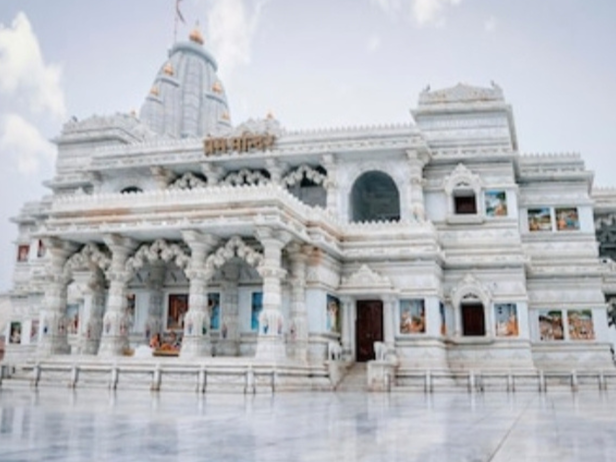
Vrindavan, prem mandir
In my experience, the places where we are loved unconditionally can also quietly limit us. When we stay too long where we are deeply cherished, our identity becomes tied to who we were, not who we must become. Krishna’s departure was not rejection; it was evolution.
Love That Does Not Demand Proximity
I have seen this truth in real life: children leaving homes, partners pursuing separate callings, parents letting go. Love matures when it survives distance. Krishna’s absence was not emotional withdrawal; it was emotional maturity.
Purpose Over Preference
Vrindavan was where Krishna’s heart rested, but Mathura and Dwarka were where his purpose called. Krishna chose responsibility over comfort, duty over desire. This is uncomfortable wisdom, yet deeply relevant today. We often cling to spaces and people that feel safe, even when life demands expansion. Krishna’s life reminds us that choosing purpose sometimes requires leaving behind what feels like home. Growth is rarely gentle.
Why Returning Would Have Broken What He Built
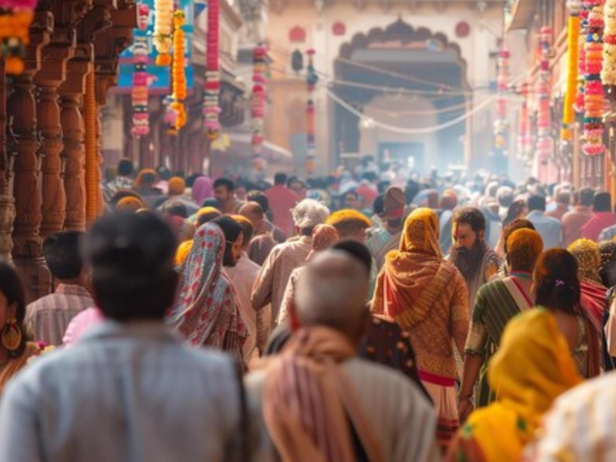
Returning to birthtown
The Cost of Attachment
Krishna often taught detachment, yet he practiced it in the most painful way by staying away from those he loved deeply. Detachment does not mean lack of feeling; it means refusal to let personal longing override collective responsibility.
In a world that prioritizes personal happiness, Krishna’s decision feels counter-cultural. He models emotional discipline choosing what is right over what is easy.
Separation as Spiritual Strength
A Lesson for Our Lives
Krishna never returning to Vrindavan teaches us that life has chapters we must honor by closing. Not everything meaningful is meant to be permanent. Some places give us roots; others give us wings.
Holding on too tightly can prevent transformation. Krishna chose growth over nostalgia, purpose over comfort, and responsibility over personal longing. And in doing so, he left us a difficult but liberating message: Sometimes, love demands that we move forward not look back. Vrindavan remained in Krishna’s heart, but not under his feet. That choice shaped destiny—not just his, but ours as well.