Why Mahadev Left the Temples The Truth Will Shock You
Noopur Kumari | Tue, 21 Apr 2026
Shiva choosing the cremation ground is not random it is symbolic. Temples are filled with desires, identity, and ego, while cremation grounds represent the end of all illusions. Here, status disappears, names lose meaning, and truth becomes visible. Shiva stays where everything false is burned away. His presence there teaches detachment, acceptance of death, and the reality of existence. This article explores the hidden reason behind Shiva’s choice and what it reveals about how we truly live our lives.

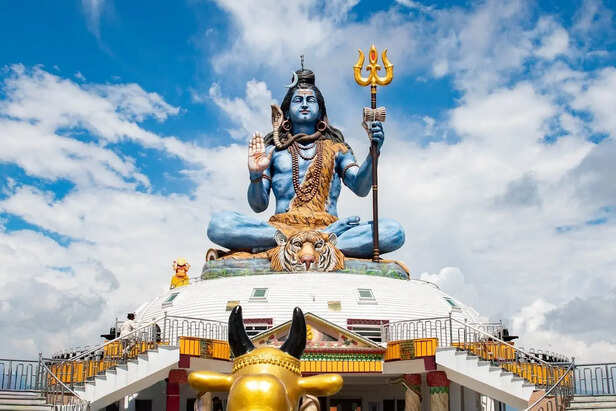
Shiva Lives in Cremation Grounds
Image credit : Pixabay
What kind of God chooses death over devotion? While people build grand temples, offer flowers, and pray for blessings Shiva sits silently in the cremation ground. gold. No throne. No celebration. Only ashes silence and endings. It feels uncomfortable. Almost unsettling. But what if this is not darkness? What if this is the deepest truth about life itself? Because the place we fear the most is the place Shiva chose to stay.
![The End of Identity]()
Shiva prefers the cremation ground because it is the only place where ego cannot survive. In temples, people carry identity status, pride, desires. But in the cremation ground, everything ends. No one is rich or poor. No one is powerful or weak. Everyone becomes the same. This is the truth most people avoid. Shiva stays where illusions collapse. Because only when ego disappears… truth begins. And that is the state closest to divinity.
![Devotion vs Reality]()
Temples are places of hope and desire. People go there asking for success, love, and protection. But Shiva is not attracted to desire he is connected to truth. In the cremation ground, there are no wishes left. Only acceptance remains. This contrast is powerful. It shows that devotion is often mixed with expectation. But truth exists without it. Shiva chooses truth over comfort. And in doing so, he reveals what most people are not ready to see.
![“Letting Go of Everything]()
Everything we hold onto people, success, identity eventually fades. Shiva lives in the cremation ground to remind us of this reality. Not to create fear, but to create awareness. When you understand that nothing is permanent, your attachment weakens. And when attachment weakens, suffering reduces. This is the deeper lesson. Detachment is not about losing things it is about understanding their temporary nature. And that understanding brings peace.
Most people fear death, but that fear controls how they live. Shiva stays in the cremation ground to remove that fear. Because when you accept death, life becomes free. You stop holding back. You stop living in illusion. You start valuing what truly matters. This is the paradox those who avoid thinking about death never fully live. And those who accept it, experience life more deeply. Shiva’s presence there is not about death it is about freedom.
The lesson is simple but powerful. Live with awareness. Remember that everything is temporary. Let go of unnecessary ego and attachment. Focus on what truly matters peace, clarity, and purpose. You don’t need to go to a cremation ground to understand this. You just need to reflect. Shiva is showing a path, not a place. And when you follow that path, life becomes lighter, clearer, and more meaningful.
Unlock insightful tips and inspiration on personal growth, productivity, and well-being. Stay motivated and updated with the latest at My Life XP.
1. Does Mahadev really avoid temples?
Shiva does not reject temples. He is worshipped everywhere, including temples. The idea of him staying in cremation grounds is symbolic—it shows that he is beyond comfort, status, and traditional expectations of divinity.
2. Why is Shiva associated with cremation grounds?
Shiva is called Bhootnath, the lord of all beings. Cremation grounds represent the end of ego, identity, and illusion. Shiva stays there to symbolize truth, detachment, and the reality of life and death.
3. What is the difference between temples and cremation grounds in this context?
Temples are places where people go with desires, prayers, and hopes. Cremation grounds represent acceptance and the end of all desires. Shiva’s presence in both shows that he exists in every state—from longing to liberation.
4. Is there a deeper meaning behind Shiva’s lifestyle?
Yes. Shiva represents detachment, simplicity, and awareness. His lifestyle teaches that true peace does not come from external things but from understanding life’s temporary nature.
5. Should people stop going to temples because of this idea?
No. Temples are important for devotion and connection. The message is not to reject temples, but to understand that real spirituality goes beyond rituals—it is about inner clarity and awareness.
6. What life lesson can we learn from this?
The biggest lesson is to reduce ego and attachment. When you understand that everything is temporary, you start focusing on what truly matters—peace, purpose, and truth.
WHERE EGO DISAPPEARS
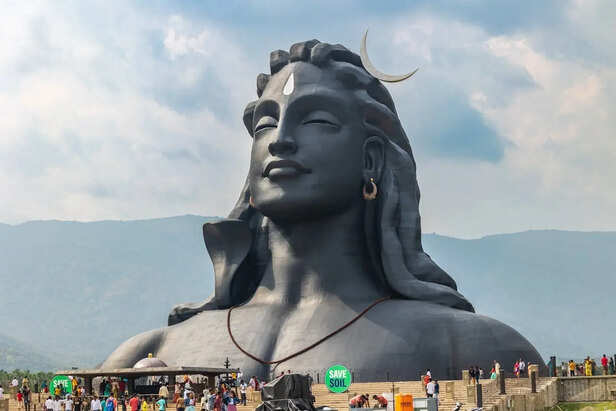
The End of Identity
Image credit : Pexels
Shiva prefers the cremation ground because it is the only place where ego cannot survive. In temples, people carry identity status, pride, desires. But in the cremation ground, everything ends. No one is rich or poor. No one is powerful or weak. Everyone becomes the same. This is the truth most people avoid. Shiva stays where illusions collapse. Because only when ego disappears… truth begins. And that is the state closest to divinity.
TEMPLE VS TRUTH
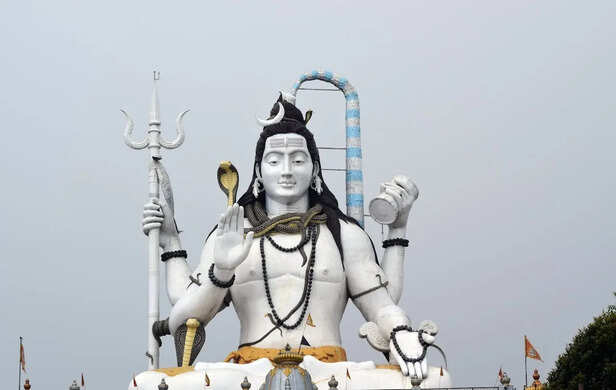
Devotion vs Reality
Image credit : Pexels
Temples are places of hope and desire. People go there asking for success, love, and protection. But Shiva is not attracted to desire he is connected to truth. In the cremation ground, there are no wishes left. Only acceptance remains. This contrast is powerful. It shows that devotion is often mixed with expectation. But truth exists without it. Shiva chooses truth over comfort. And in doing so, he reveals what most people are not ready to see.
THE LESSON OF DETACHMENT
“Letting Go of Everything
Image credit : Pexels
Everything we hold onto people, success, identity eventually fades. Shiva lives in the cremation ground to remind us of this reality. Not to create fear, but to create awareness. When you understand that nothing is permanent, your attachment weakens. And when attachment weakens, suffering reduces. This is the deeper lesson. Detachment is not about losing things it is about understanding their temporary nature. And that understanding brings peace.
FEAR OF DEATH, FEAR OF LIFE
WHAT YOU CAN LEARN FROM THIS
Unlock insightful tips and inspiration on personal growth, productivity, and well-being. Stay motivated and updated with the latest at My Life XP.
Frequently Asked Questions (FAQs)
Shiva does not reject temples. He is worshipped everywhere, including temples. The idea of him staying in cremation grounds is symbolic—it shows that he is beyond comfort, status, and traditional expectations of divinity.
2. Why is Shiva associated with cremation grounds?
Shiva is called Bhootnath, the lord of all beings. Cremation grounds represent the end of ego, identity, and illusion. Shiva stays there to symbolize truth, detachment, and the reality of life and death.
3. What is the difference between temples and cremation grounds in this context?
Temples are places where people go with desires, prayers, and hopes. Cremation grounds represent acceptance and the end of all desires. Shiva’s presence in both shows that he exists in every state—from longing to liberation.
4. Is there a deeper meaning behind Shiva’s lifestyle?
Yes. Shiva represents detachment, simplicity, and awareness. His lifestyle teaches that true peace does not come from external things but from understanding life’s temporary nature.
5. Should people stop going to temples because of this idea?
No. Temples are important for devotion and connection. The message is not to reject temples, but to understand that real spirituality goes beyond rituals—it is about inner clarity and awareness.
6. What life lesson can we learn from this?
The biggest lesson is to reduce ego and attachment. When you understand that everything is temporary, you start focusing on what truly matters—peace, purpose, and truth.