Why Most Souls Never Reach Vaikuntha
Noopur Kumari | Sun, 10 May 2026
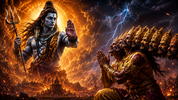
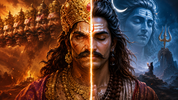
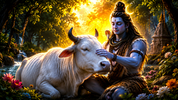
Vaishnavite philosophy explains that the seven gates of Vaikuntha symbolize the inner obstacles preventing spiritual liberation. Each gate represents a human weakness from desire and anger to jealousy and ego that keeps the soul tied to the cycle of suffering and rebirth. Ancient temple traditions, especially during Vaikuntha Ekadashi, symbolically recreate this spiritual journey through the sacred Vaikuntha Dwaram. The deeper message is powerful: the path to Lord Vishnu is not blocked by the universe, but by the emotions and attachments hidden within the human mind itself.

Hindu scriptures describe Vaikuntha
Image credit : ChatGPT(ai)
Hindu scriptures describe Vaikuntha as the eternal home of Lord Vishnu a divine realm beyond pain, fear, death, and rebirth. But according to ancient Vaishnavite traditions, reaching Vaikuntha is not simple. Between the human soul and Lord Vishnu stand seven invisible gates. These are not ordinary doors made of stone or gold. They are spiritual barriers hidden inside every human being desire, anger, greed, attachment, pride, jealousy, and ego. And unless a person crosses all seven, the gates of moksha never truly open. So what are these mysterious gates really protecting? And why do saints say most people spend their entire lives trapped outside them?
![The Soul Standing Before the First Gate]()
The journey toward Vaikuntha begins with Kama desire. Hindu philosophy does not say all desires are evil, but uncontrolled craving keeps the mind restless forever. People constantly chase money, relationships, status, and temporary pleasures, believing fulfillment lies outside themselves. But the more the mind wants, the further peace moves away. Scriptures describe desire as the first spiritual barrier because attachment to worldly cravings traps the soul inside endless cycles of dissatisfaction. To cross this gate, one must learn contentment and inner discipline rather than living entirely through external wants.
![The Fire of Spiritual Anger]()
After desire comes Krodha anger. Spiritual traditions describe anger as one of the fastest ways to destroy wisdom and peace. A single moment of rage can damage relationships, cloud judgment, and create suffering that lasts for years. Ancient teachings say anger often grows from wounded ego and unfulfilled desire. That is why saints considered patience a divine quality. Crossing this gate does not mean suppressing emotions completely, but learning how to respond without hatred or destruction. The calmer the mind becomes, the clearer the spiritual path toward liberation begins to appear.
The third gate is Lobha greed. Unlike basic survival needs, greed never truly ends. A person may gain wealth, success, or power, yet still feel incomplete. Hindu philosophy warns that greed creates an endless hunger where satisfaction becomes impossible. People begin comparing, competing, and accumulating without inner peace. Spiritual teachings explain that greed weakens compassion because the mind becomes obsessed with possession instead of balance. Crossing this gate requires simplicity, generosity, and understanding that happiness cannot be permanently purchased through material accumulation alone.
The fourth gate, Moha, represents emotional attachment and illusion. Humans naturally love family, relationships, and life itself, but spiritual teachings warn against becoming emotionally dependent on temporary things. Everything in life changes people, situations, success, even the body itself. When the mind refuses to accept change, suffering begins. Ancient sages taught that attachment creates fear of loss, which then creates pain and anxiety. Crossing this gate does not mean abandoning love. It means loving without becoming spiritually imprisoned by fear, control, or emotional dependence.
The fifth and sixth gates are Mada and Matsarya pride and jealousy. Pride convinces people they are superior, while jealousy makes them suffer from others’ success. Together, these emotions poison the mind quietly. Spiritual traditions say pride separates humans from humility, while jealousy destroys gratitude. In today’s world of comparison and competition, these gates may be stronger than ever before. Saints believed true spiritual growth begins when a person stops measuring life through superiority, validation, and comparison. Humility and compassion slowly dissolve both barriers from within.
The last gate is Ahamkara ego itself. According to Hindu philosophy, ego is the false identity that makes humans believe they are separate from the divine. It creates attachment to status, identity, control, and personal importance. Even spiritual progress can become another form of ego if pride enters the mind. This is why saints described the final gate as the most difficult to cross. Liberation begins only when the soul stops identifying completely with the temporary self and reconnects with the eternal presence of Lord Vishnu beyond individuality.
During Vaikuntha Ekadashi, many Vishnu temples open a sacred entrance known as the Vaikuntha Dwaram. Devotees walk through it believing it symbolizes the soul entering the divine realm. But spiritually, the doorway represents something deeper than ritual. It reminds people that the true gates exist inside the human mind. The real journey is not physical it is emotional, mental, and spiritual. Every prayer, fast, or act of devotion becomes meaningful only when a person slowly begins overcoming the seven inner barriers separating the soul from peace and liberation.
Unlock insightful tips and inspiration on personal growth, productivity, and well-being. Stay motivated and updated with the latest at My Life XP.
1. What is Vaikuntha in Hinduism?
Vaikuntha is believed to be the eternal divine abode of Lord Vishnu in Hindu philosophy. It is described as a realm beyond suffering, death, fear, and rebirth, where liberated souls attain eternal peace and closeness to the divine.
2. What are the seven gates of Vaikuntha?
The seven gates symbolically represent spiritual obstacles that prevent the soul from attaining moksha. These gates are associated with desire, anger, greed, attachment, pride, jealousy, and ego.
3. Why is desire considered the first gate?
Desire, or Kama, is seen as the beginning of attachment to the material world. Hindu teachings say uncontrolled desires create restlessness and keep the soul trapped in endless cycles of craving and dissatisfaction.
4. What does anger symbolize in the spiritual path?
Anger, known as Krodha, represents emotional imbalance and loss of wisdom. Spiritual traditions believe anger clouds judgment, damages inner peace, and becomes a major obstacle in spiritual growth.
The First Gate Is Desire
The Soul Standing Before the First Gate
Image credit : ChatGPT(ai)
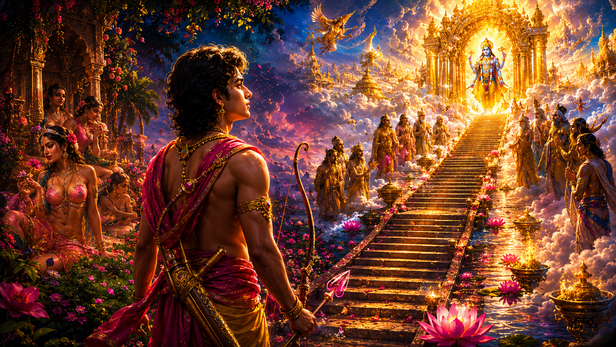
The journey toward Vaikuntha begins with Kama desire. Hindu philosophy does not say all desires are evil, but uncontrolled craving keeps the mind restless forever. People constantly chase money, relationships, status, and temporary pleasures, believing fulfillment lies outside themselves. But the more the mind wants, the further peace moves away. Scriptures describe desire as the first spiritual barrier because attachment to worldly cravings traps the soul inside endless cycles of dissatisfaction. To cross this gate, one must learn contentment and inner discipline rather than living entirely through external wants.
Anger Becomes the Second Barrier
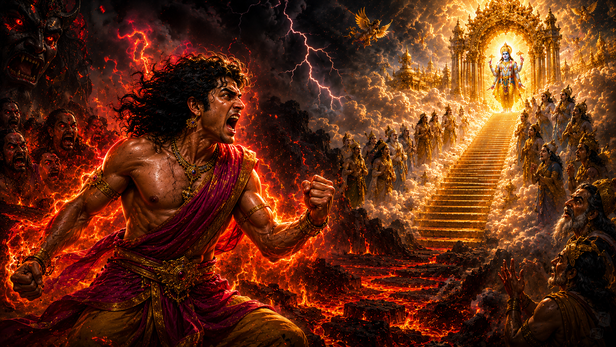
The Fire of Spiritual Anger
Image credit : ChatGPT
After desire comes Krodha anger. Spiritual traditions describe anger as one of the fastest ways to destroy wisdom and peace. A single moment of rage can damage relationships, cloud judgment, and create suffering that lasts for years. Ancient teachings say anger often grows from wounded ego and unfulfilled desire. That is why saints considered patience a divine quality. Crossing this gate does not mean suppressing emotions completely, but learning how to respond without hatred or destruction. The calmer the mind becomes, the clearer the spiritual path toward liberation begins to appear.
The Gate Few People Notice
The Emotional Trap Called Attachment
Pride and Jealousy Close the Next Doors
The Final Gate Is the Hardest
Why Vaikuntha Ekadashi Matters Spiritually
Unlock insightful tips and inspiration on personal growth, productivity, and well-being. Stay motivated and updated with the latest at My Life XP.
Frequently Asked Questions (FAQs)
Vaikuntha is believed to be the eternal divine abode of Lord Vishnu in Hindu philosophy. It is described as a realm beyond suffering, death, fear, and rebirth, where liberated souls attain eternal peace and closeness to the divine.
2. What are the seven gates of Vaikuntha?
The seven gates symbolically represent spiritual obstacles that prevent the soul from attaining moksha. These gates are associated with desire, anger, greed, attachment, pride, jealousy, and ego.
3. Why is desire considered the first gate?
Desire, or Kama, is seen as the beginning of attachment to the material world. Hindu teachings say uncontrolled desires create restlessness and keep the soul trapped in endless cycles of craving and dissatisfaction.
4. What does anger symbolize in the spiritual path?
Anger, known as Krodha, represents emotional imbalance and loss of wisdom. Spiritual traditions believe anger clouds judgment, damages inner peace, and becomes a major obstacle in spiritual growth.