Why Neelkanth Mahadev Is Not Worshipped Like Other Forms
Noopur Kumari | Tue, 17 Mar 2026
When the cosmic ocean was churned, a terrifying poison called Halahala emerged so deadly that even its fumes threatened to destroy gods and demons alike. In that moment of cosmic crisis, Lord Shiva did something unimaginable. He drank the poison and held it in his throat to save the universe, turning his neck blue and earning the name Neelkanth. But this form of Shiva carries a deeper mystery. It symbolizes the power to absorb overwhelming negativity without letting it spread. Some ancient traditions warn that invoking such intense energy without spiritual readiness can disturb the mind. Here are five intriguing reasons why Neelkanth meditation is approached with caution.

Neelkanth
Image credit : ChatGPT(AI)
Lord Shiva is worshipped in many powerful forms. Some reflect peace and meditation. Some symbolize destruction and transformation.
And some represent the balance that sustains the universe. Yet among these sacred manifestations, one form is surrounded by deep mystery Neelkanth Mahadev. This is the form Shiva assumed after drinking the deadly Halahala poison during the cosmic ocean churning. Most people know this legendary story. But very few know another intriguing belief connected to it. Certain tantric traditions suggest that meditating on Neelkanth in Kaliyuga is discouraged. Why would such a divine form be approached with caution? The answer lies in the profound meaning behind Shiva’s sacrifice and spiritual power.
![Neelkanth Shiva Holding the Poison]()
The form of Neelkanth Mahadev is not just a symbol from mythology. It represents the moment when Lord Shiva absorbed the most dangerous substance in existence. The Halahala poison that emerged during the cosmic ocean churning was so destructive that its mere presence threatened the survival of the entire universe. To protect creation, Shiva held the poison in his throat, preventing it from spreading. Because of this act, Neelkanth represents immense cosmic power and intense spiritual energy. Many spiritual traditions believe that meditating on such a form requires deep inner stability, discipline, and emotional control to understand its true meaning.
![Symbolic Blue-Throated Shiva]()
The poison held in Neelkanth Shiva’s throat is often seen as a symbol of the negativity that exists in the world. Emotions such as anger, jealousy, greed, and ego are described in many spiritual teachings as forms of inner poison that disturb the mind. The story of Neelkanth teaches a powerful lesson the strength to contain these emotions instead of allowing them to harm others. It is about mastering reactions and transforming negativity into awareness. However, developing this ability requires deep mental discipline and self-control. Without inner balance, reflecting on such intense symbolism can feel overwhelming for a spiritual seeker.
![Symbolic Representation of Kaliyuga]()
In Hindu philosophy, Kaliyuga is often described as an age marked by distraction, material desire, and weakening spiritual discipline. People are easily drawn toward quick results and external power, while inner balance and patience are often overlooked. Because of this, some spiritual traditions advise caution when approaching intense forms of divine energy. These forms represent powerful spiritual forces that require maturity and self-control to understand. The concern is never about the deity itself, but about the readiness of the seeker. Without inner preparation, the deeper meaning behind such powerful symbols can be misunderstood rather than truly experienced.
Many people approach divine forms seeking blessings for wealth, success, protection, or personal happiness. But the form of Neelkanth Mahadev represents something far deeper. It symbolizes sacrifice and the willingness to absorb suffering to protect others. When Shiva drank the deadly poison, he did not do it for personal gain but to save the entire universe. This powerful act teaches that true strength is not always about victory or power. Sometimes it is about patience, self-control, and the courage to endure hardship without losing balance. Neelkanth reminds devotees that spiritual growth often begins when one learns to transform pain into wisdom and compassion.
The story of Neelkanth Mahadev is more than a mythological event. It carries a profound spiritual message about how to face life’s challenges. Every person encounters moments filled with negativity, conflict, or emotional pain. These situations can easily disturb the mind if they are not handled with awareness. Shiva holding the poison in his throat symbolizes the ability to confront darkness without allowing it to spread within. Instead of reacting with anger or despair, the lesson is to transform difficulty into inner strength. This deeper meaning is why the story of Neelkanth continues to inspire reflection, reminding people that true power lies in mastering the mind.
Unlock insightful tips and inspiration on personal growth, productivity, and well-being. Stay motivated and updated with the latest at My Life XP.
1. Who is Neelkanth Mahadev?
Neelkanth Mahadev is a powerful form of Lord Shiva that appeared after he consumed the deadly poison Halahala during the Samudra Manthan. The poison turned his throat blue, which is why he is called “Neelkanth,” meaning “the blue-throated one.”
2. What is the meaning of the Halahala poison in the story?
In spiritual teachings, the Halahala poison symbolizes negativity such as anger, greed, jealousy, and ego. The story teaches the importance of controlling these emotions instead of letting them harm oneself or others.
3. Why do some traditions caution against meditating on Neelkanth?
Certain tantric traditions believe that the Neelkanth form represents intense spiritual energy. They suggest that such powerful symbolism should be approached with strong mental discipline and spiritual readiness.
4. What spiritual lesson does Neelkanth Mahadev teach?
The story teaches sacrifice, self-control, and emotional strength. It reminds people that true power lies in the ability to transform negativity into inner balance.
5. Is Neelkanth Mahadev still worshipped by devotees?
Yes, many devotees pray to Neelkanth Mahadev with deep respect and devotion, seeing this form as a symbol of protection, sacrifice, and the power to overcome negativity.
And some represent the balance that sustains the universe. Yet among these sacred manifestations, one form is surrounded by deep mystery Neelkanth Mahadev. This is the form Shiva assumed after drinking the deadly Halahala poison during the cosmic ocean churning. Most people know this legendary story. But very few know another intriguing belief connected to it. Certain tantric traditions suggest that meditating on Neelkanth in Kaliyuga is discouraged. Why would such a divine form be approached with caution? The answer lies in the profound meaning behind Shiva’s sacrifice and spiritual power.
Neelkanth Represents Extreme Cosmic Energy
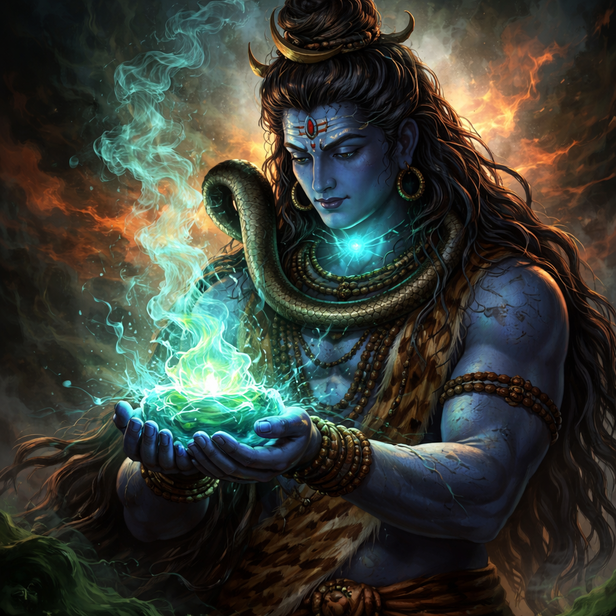
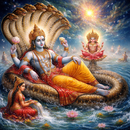
Neelkanth Shiva Holding the Poison
Image credit : CHATGPT(AI)
The form of Neelkanth Mahadev is not just a symbol from mythology. It represents the moment when Lord Shiva absorbed the most dangerous substance in existence. The Halahala poison that emerged during the cosmic ocean churning was so destructive that its mere presence threatened the survival of the entire universe. To protect creation, Shiva held the poison in his throat, preventing it from spreading. Because of this act, Neelkanth represents immense cosmic power and intense spiritual energy. Many spiritual traditions believe that meditating on such a form requires deep inner stability, discipline, and emotional control to understand its true meaning.
The Lesson of Controlling Inner Poison
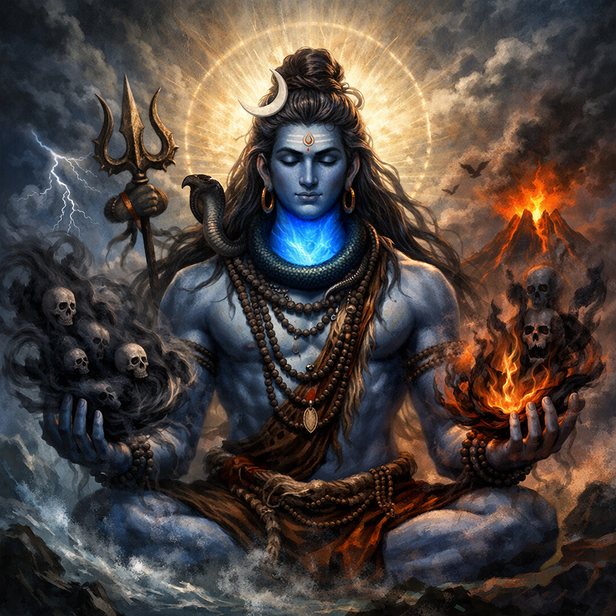
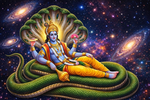
Symbolic Blue-Throated Shiva
Image credit : CHATGPT(AI)
The poison held in Neelkanth Shiva’s throat is often seen as a symbol of the negativity that exists in the world. Emotions such as anger, jealousy, greed, and ego are described in many spiritual teachings as forms of inner poison that disturb the mind. The story of Neelkanth teaches a powerful lesson the strength to contain these emotions instead of allowing them to harm others. It is about mastering reactions and transforming negativity into awareness. However, developing this ability requires deep mental discipline and self-control. Without inner balance, reflecting on such intense symbolism can feel overwhelming for a spiritual seeker.
Kaliyuga and the Challenge of Self-Control
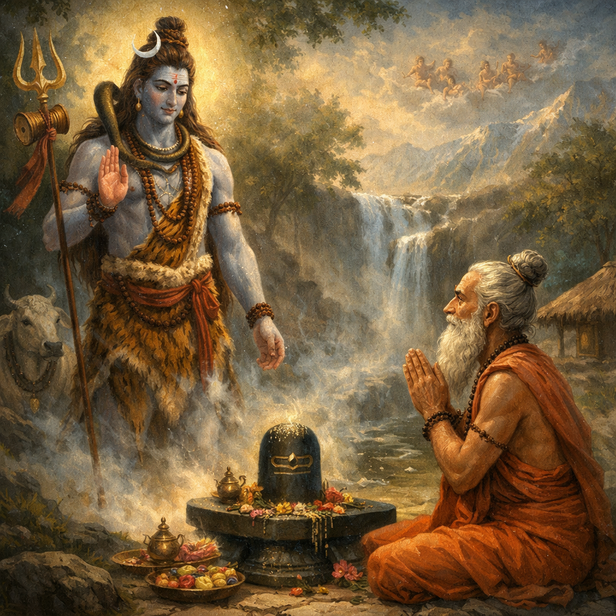
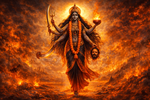
Symbolic Representation of Kaliyuga
Image credit : CHATGPT(AI)
In Hindu philosophy, Kaliyuga is often described as an age marked by distraction, material desire, and weakening spiritual discipline. People are easily drawn toward quick results and external power, while inner balance and patience are often overlooked. Because of this, some spiritual traditions advise caution when approaching intense forms of divine energy. These forms represent powerful spiritual forces that require maturity and self-control to understand. The concern is never about the deity itself, but about the readiness of the seeker. Without inner preparation, the deeper meaning behind such powerful symbols can be misunderstood rather than truly experienced.
Neelkanth Teaches Sacrifice, Not Desire
The Hidden Spiritual Message
Unlock insightful tips and inspiration on personal growth, productivity, and well-being. Stay motivated and updated with the latest at My Life XP.
Frequently Asked Questions (FAQs)
Neelkanth Mahadev is a powerful form of Lord Shiva that appeared after he consumed the deadly poison Halahala during the Samudra Manthan. The poison turned his throat blue, which is why he is called “Neelkanth,” meaning “the blue-throated one.”
2. What is the meaning of the Halahala poison in the story?
In spiritual teachings, the Halahala poison symbolizes negativity such as anger, greed, jealousy, and ego. The story teaches the importance of controlling these emotions instead of letting them harm oneself or others.
3. Why do some traditions caution against meditating on Neelkanth?
Certain tantric traditions believe that the Neelkanth form represents intense spiritual energy. They suggest that such powerful symbolism should be approached with strong mental discipline and spiritual readiness.
4. What spiritual lesson does Neelkanth Mahadev teach?
The story teaches sacrifice, self-control, and emotional strength. It reminds people that true power lies in the ability to transform negativity into inner balance.
5. Is Neelkanth Mahadev still worshipped by devotees?
Yes, many devotees pray to Neelkanth Mahadev with deep respect and devotion, seeing this form as a symbol of protection, sacrifice, and the power to overcome negativity.