Why One Name Was Missing From the Hit List
Noopur Kumari | Tue, 28 Apr 2026
What if the most important clue in an attack wasn’t who was targeted but who wasn’t? During the investigation into the attempted attack linked to Donald Trump’s circle, one detail quietly stood out. Almost every senior official appeared on the list. Except one Kash Patel. This wasn’t random. And it wasn’t ignored. Because in a carefully planned act, every choice carries meaning. And sometimes, what’s missing reveals more than what’s present pointing investigators toward patterns, motives, and decisions hidden beneath the surface.

FBI to reveal suspect details after attack: Kash Patel
Image credit : IANS
Why was one key official left off the target list? Did ideology shape the choices more than expected? Were there hidden “rules” guiding who was included and who wasn’t? And what does this reveal about the attacker’s mindset? These questions point to something deeper than a single incident. Because actions like these are rarely random. They follow a pattern, even if that pattern is flawed or extreme. Understanding those patterns helps investigators piece together intent, and more importantly, learn how such threats can be identified and prevented in the future.
![Trump praises Kash Patel at Memphis event]()
When authorities examined the manifesto, a pattern emerged. Several high-profile figures connected to the administration were listed.
But one name was clearly excluded Kash Patel. This wasn’t an oversight. The manifesto reportedly made the exclusion explicit. That single detail shifted the focus of investigators. Because in structured plans, omissions are often intentional. And intentional choices reveal mindset. This raised a bigger question what criteria determined who was included and who wasn’t?
![Written Manifesto Pages Highlighted]()
One theory points toward ideology. Reports suggest the attacker expressed strong anti-Christian views. If targets were chosen based on a specific belief system, those outside that framework may not have been included. In that context, Patel’s Hindu identity may have placed him outside the perceived target group. This doesn’t confirm motive but it offers a possible lens. Because attacks driven by belief often follow internal logic, even if that logic is flawed or extreme. Understanding that logic becomes key to understanding intent.
Another theory focuses on strategy, not belief. Investigators noted the presence of “rules of engagement” in the plan. These included avoiding certain individuals or minimizing broader harm. As a senior law enforcement figure, Patel may have been excluded under this framework. However, this explanation raises contradictions. An officer was still injured during the incident. Which suggests the plan may not have been fully controlled. This mix of intention and unpredictability makes the situation more complex.
The manifesto reportedly outlined a structured list of targets. It framed the act using political and moral language. This suggests the attack was not random it was shaped by a belief system. The exclusion of a name becomes meaningful in that context. Because it reflects how the attacker categorized people. Not just politically, but ideologically. Understanding this doesn’t justify anything But it helps authorities decode patterns that may prevent future incidents.
Sometimes, the biggest clue is silence. The absence of one name has sparked multiple theories religion, strategy, classification. But beyond speculation, it highlights something deeper. How individuals construct their worldview. And how that worldview shapes decisions. In events like this, understanding the “why” matters as much as the “what.” Because prevention depends on insight. And insight begins by asking the right questions even about what seems missing.
Unlock insightful tips and inspiration on personal growth, productivity, and well-being. Stay motivated and updated with the latest at My Life XP.
1. Why was Kash Patel not included on the target list?
Investigators are exploring multiple theories. Some reports suggest ideological factors may have influenced the choices, while others point to possible strategic “rules” set by the attacker. There is no confirmed single reason yet.
2. Did religion play a role in the attacker’s decisions?
It is one of the angles being examined. Certain reports indicate the attacker expressed specific religious views, which may have shaped how targets were categorized.
3. What are “rules of engagement” in this context?
These refer to self-imposed guidelines the attacker may have followed while planning the act, such as avoiding certain individuals or limiting broader harm.
4. Was this attack random or planned?
Based on available information, it appears to have been planned, with a structured list and clear intent outlined in the manifesto.
5. What does the manifesto reveal about the attacker?
It suggests a mix of political and ideological motivations, showing how the attacker viewed certain individuals and justified their actions.
The Detail Investigators Couldn’t Ignore
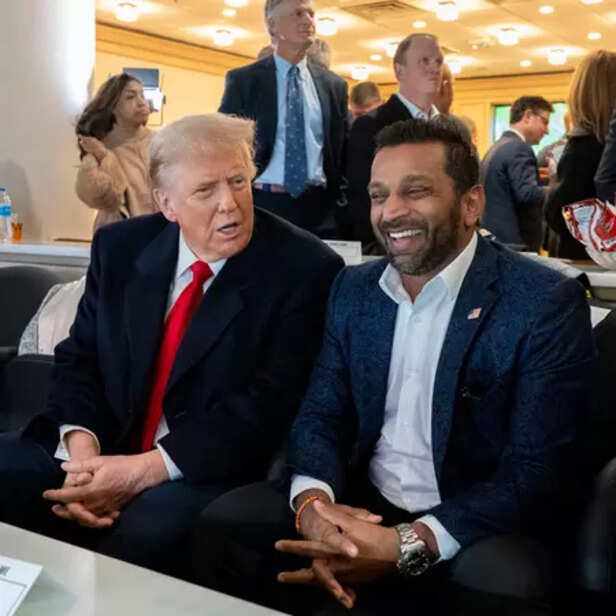
Trump praises Kash Patel at Memphis event
Image credit : IANS
When authorities examined the manifesto, a pattern emerged. Several high-profile figures connected to the administration were listed.
But one name was clearly excluded Kash Patel. This wasn’t an oversight. The manifesto reportedly made the exclusion explicit. That single detail shifted the focus of investigators. Because in structured plans, omissions are often intentional. And intentional choices reveal mindset. This raised a bigger question what criteria determined who was included and who wasn’t?
The Role of Ideology

Written Manifesto Pages Highlighted
Image credit : AP
One theory points toward ideology. Reports suggest the attacker expressed strong anti-Christian views. If targets were chosen based on a specific belief system, those outside that framework may not have been included. In that context, Patel’s Hindu identity may have placed him outside the perceived target group. This doesn’t confirm motive but it offers a possible lens. Because attacks driven by belief often follow internal logic, even if that logic is flawed or extreme. Understanding that logic becomes key to understanding intent.
A Different Explanation Strategy
What the Manifesto Really Shows
The Bigger Question Behind It All
Unlock insightful tips and inspiration on personal growth, productivity, and well-being. Stay motivated and updated with the latest at My Life XP.
Frequently Asked Questions (FAQs)
Investigators are exploring multiple theories. Some reports suggest ideological factors may have influenced the choices, while others point to possible strategic “rules” set by the attacker. There is no confirmed single reason yet.
2. Did religion play a role in the attacker’s decisions?
It is one of the angles being examined. Certain reports indicate the attacker expressed specific religious views, which may have shaped how targets were categorized.
3. What are “rules of engagement” in this context?
These refer to self-imposed guidelines the attacker may have followed while planning the act, such as avoiding certain individuals or limiting broader harm.
4. Was this attack random or planned?
Based on available information, it appears to have been planned, with a structured list and clear intent outlined in the manifesto.
5. What does the manifesto reveal about the attacker?
It suggests a mix of political and ideological motivations, showing how the attacker viewed certain individuals and justified their actions.