Why Rama Accepted Pain Without Asking “Why Me?
Noopur Kumari | Thu, 02 Apr 2026
Pain hits us all. It shakes our world, makes us question fate, and leaves us searching for answers. Most people crumble, asking Why me? repeatedly. But Lord Rama faced the harshest trials of exile, loss, and separation and yet, he never asked that question. He accepted life’s hardships without resistance, without bitterness, and without losing his purpose. Was it mere strength? Or was there a profound lesson hidden in his silence something that reveals the true secret to facing life’s pain without surrendering your inner power?

Silent Strength in Struggle
Image credit : ChatGPT(AI)
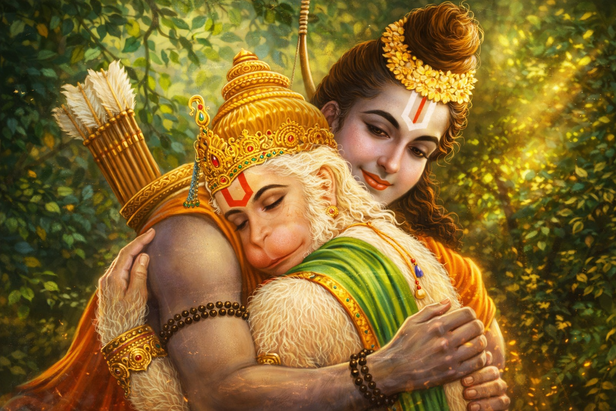
Exile. Loss. Separation. Every hardship imaginable came to Lord Rama, and yet not a single complaint escaped his lips. Most of us, when struck by pain, instantly ask, “Why me?” We resist, we question, we fight. Rama, however, chose a different path. He accepted life as it came, carrying duty above desire and purpose above pain. His silence wasn’t weakness it was mastery. Beneath every trial lay a deeper lesson: true strength isn’t measured by what you conquer, but by how gracefully you endure without losing yourself or your principles.
![Rama Leaving Ayodhya]()
When Rama was exiled from his kingdom, he lost everything in a moment power, comfort, and home. Anyone else would question fate. Anyone else would resist. But he didn’t. He accepted it calmly. Not because it didn’t hurt, but because he understood something deeper. Life is not always fair. And questioning it doesn’t change it. This moment shows that true strength is not in avoiding pain but in facing it without losing your inner balance.
![Calm Face in Difficult Times]()
Most people fight reality. They resist what they cannot control. This creates more pain. Rama chose acceptance instead. Not weakness clarity. He understood that resistance only increases suffering. Acceptance doesn’t mean giving up it means understanding what cannot be changed and focusing on what can be done. This mindset keeps the mind calm, even in chaos. And that calmness becomes your biggest strength when everything else feels uncertain.
![Rama Following Dharma]()
Rama didn’t act based on emotion he acted based on duty (dharma). Even when it meant personal loss, he stayed committed to what was right. This is rare. Most people choose comfort over responsibility. But Rama chose purpose over pain. He knew that short-term suffering can protect long-term truth. This is not easy but it’s powerful. Because when you choose what is right over what feels good, you build a strength that cannot be shaken.
Pain often turns into anger, blame, or bitterness. But not in Rama’s case. He felt pain but he didn’t let it control him. He didn’t blame others. He didn’t lose his character. This is what makes his journey different. Because real strength is not about avoiding pain it’s about not letting pain change who you are. When you can go through suffering and still stay grounded, you rise above the situation instead of being consumed by it.
Rama’s story is not just history it’s a lesson. We all face moments where life feels unfair. We all ask “Why me?” But what if that question is the problem? What if the better question is What now?” Because life doesn’t wait for answers. It moves forward. And those who move with it, grow. Rama teaches us that pain is not the end it’s part of the path. And how you respond to it defines who you become.
Unlock insightful tips and inspiration on personal growth, productivity, and well-being. Stay motivated and updated with the latest at My Life XP.
1. Why didn’t Lord Rama question his suffering?
Rama prioritized dharma (duty) over personal comfort. His acceptance reflects mastery over ego and attachment, teaching that questioning “Why me?” often distracts from action.
2. Does this mean we should never question hardship?
Not necessarily. The lesson is to balance understanding with acceptance resisting every challenge can create unnecessary suffering.
3. How can we apply Rama’s approach today?
Focus on your duty, maintain integrity, and respond calmly to adversity. Acceptance doesn’t mean passivity; it means acting without letting pain cloud judgment.
4. Is acceptance the same as weakness?
No. True acceptance is strength. It requires courage, self-control, and emotional resilience.
5. What is the spiritual significance of Rama’s patience?
It shows that inner peace comes from surrendering ego, embracing purpose, and seeing beyond immediate discomfort to the larger moral and spiritual path.
When Life Felt Unfair
Rama Leaving Ayodhya
Image credit : ChatGPT(AI)
When Rama was exiled from his kingdom, he lost everything in a moment power, comfort, and home. Anyone else would question fate. Anyone else would resist. But he didn’t. He accepted it calmly. Not because it didn’t hurt, but because he understood something deeper. Life is not always fair. And questioning it doesn’t change it. This moment shows that true strength is not in avoiding pain but in facing it without losing your inner balance.
The Power of Acceptance

Calm Face in Difficult Times
Image credit : Freepik
Most people fight reality. They resist what they cannot control. This creates more pain. Rama chose acceptance instead. Not weakness clarity. He understood that resistance only increases suffering. Acceptance doesn’t mean giving up it means understanding what cannot be changed and focusing on what can be done. This mindset keeps the mind calm, even in chaos. And that calmness becomes your biggest strength when everything else feels uncertain.
Duty Over Emotion

Rama Following Dharma
Image credit : ChatGPT(AI)
Rama didn’t act based on emotion he acted based on duty (dharma). Even when it meant personal loss, he stayed committed to what was right. This is rare. Most people choose comfort over responsibility. But Rama chose purpose over pain. He knew that short-term suffering can protect long-term truth. This is not easy but it’s powerful. Because when you choose what is right over what feels good, you build a strength that cannot be shaken.
Pain Without Bitterness
The Lesson We Miss
Unlock insightful tips and inspiration on personal growth, productivity, and well-being. Stay motivated and updated with the latest at My Life XP.
Frequently Asked Questions (FAQs)
Rama prioritized dharma (duty) over personal comfort. His acceptance reflects mastery over ego and attachment, teaching that questioning “Why me?” often distracts from action.
2. Does this mean we should never question hardship?
Not necessarily. The lesson is to balance understanding with acceptance resisting every challenge can create unnecessary suffering.
3. How can we apply Rama’s approach today?
Focus on your duty, maintain integrity, and respond calmly to adversity. Acceptance doesn’t mean passivity; it means acting without letting pain cloud judgment.
4. Is acceptance the same as weakness?
No. True acceptance is strength. It requires courage, self-control, and emotional resilience.
5. What is the spiritual significance of Rama’s patience?
It shows that inner peace comes from surrendering ego, embracing purpose, and seeing beyond immediate discomfort to the larger moral and spiritual path.