Why the Kshama Yachna Mantra Is the Most Powerful Prayer You Say Without Realizing
Noopur Kumari | Thu, 19 Feb 2026
This article explains the deep spiritual meaning of the Kshama Yachna Mantra in Hindu worship. Through five clear sections, you will understand why asking forgiveness completes every puja, how it removes ego, cleans karma, builds humility, and strengthens divine connection. Written in simple, emotional language, this guide blends mythology, spiritual wisdom, and practical devotion. It is designed to be easy to read, spiritually powerful, and meaningful for seekers of all ages.

Kshama Yachna Mantra
Image credit : ChatGPT(AI)
In every Hindu ritual, there is a silent moment at the end when devotees fold their hands and ask for forgiveness. This sacred prayer is called the Kshama Yachna Mantra. In Sanatan Dharma, asking forgiveness is not weakness. It is strength. It shows humility, awareness, and deep devotion. Even after performing puja with love, devotees pray, If I made any mistake, please forgive me. This simple act purifies the heart. It reminds us that devotion is not about perfection. It is about sincerity.
![Devotee Offering Final Prayer]()
The Kshama Yachna Mantra is recited at the end of rituals. It is the final offering. In Hindu tradition, no human action is perfect. Small mistakes in pronunciation, steps, or focus may happen. By asking forgiveness, devotees complete the puja with purity. It shows awareness that God is compassionate and understands intention. This prayer seals the worship with humility. Spiritually, it acts like closing a sacred circle. It ensures that the devotion reaches the divine fully, without ego or pride blocking the path.
![Folded Hands in Surrender]()
Ego creates distance between the soul and the divine. The Kshama Yachna Mantra gently removes this barrier. When devotees admit mistakes, they accept human limitations. This softens pride and opens the heart. In scriptures, humility is praised as the highest virtue. By asking forgiveness, one aligns with divine grace instead of personal superiority. It teaches that devotion is not about showing knowledge or ritual skill. It is about surrender. This surrender strengthens faith and invites divine blessings into everyday life.
![Light Removing Darkness]()
In Hinduism, karma shapes life experiences. Even unintentional mistakes create subtle karmic impressions. The Kshama Yachna Mantra acts as a spiritual cleanser. It purifies thoughts, words, and actions performed during worship. By acknowledging errors, devotees reduce karmic burden. This practice builds spiritual awareness and responsibility. Over time, it cultivates mindful living beyond the temple. Forgiveness becomes a daily habit, not just a ritual step. The mantra therefore protects the soul from accumulating negative impressions and supports inner peace.
Every relationship grows through honesty. The bond between devotee and God is no different. The Kshama Yachna Mantra expresses trust. It says, “I may fail, but my devotion is true.” This emotional honesty builds intimacy with the divine. Many devotees feel peace immediately after reciting it. That peace comes from surrender. In mythology, gods are described as compassionate and forgiving. When we ask forgiveness, we experience that compassion directly. The prayer transforms ritual into relationship, making worship heartfelt and alive.
Modern life brings stress and distraction. Even during prayer, the mind may wander. The Kshama Yachna Mantra gently accepts this reality. It releases guilt and restores calmness. By asking forgiveness, devotees forgive themselves too. This self-compassion creates emotional balance. Spiritual teachers explain that peace begins with acceptance. The mantra teaches acceptance without weakness. It replaces anxiety with trust. Over time, this habit nurtures mental clarity and spiritual stability. Forgiveness becomes not just a ritual act, but a daily source of inner harmony.
The Kshama Yachna Mantra is small in words but vast in meaning. It completes worship, removes ego, cleanses karma, strengthens divine connection, and brings peace. In Sanatan Dharma, devotion is not measured by perfection. It is measured by sincerity. Asking forgiveness shows maturity, humility, and spiritual awareness. When you end your next puja, pause for a moment. Say the Kshama Yachna Mantra with true feeling. That simple prayer may become the most powerful part of your worship.
Unlock insightful tips and inspiration on personal growth, productivity, and well-being. Stay motivated and updated with the latest at My Life XP.
1. What is the Kshama Yachna Mantra?
The Kshama Yachna Mantra is a short forgiveness prayer recited at the end of Hindu worship. Devotees ask God to forgive any mistakes made during the puja.
2. Why is Kshama Yachna important in Sanatan Dharma?
In Sanatan Dharma, humility is a core value. Asking forgiveness shows sincerity, removes ego, and completes the ritual with purity.
3. When should we chant the Kshama Yachna Mantra?
It is usually chanted at the end of aarti, puja, havan, or any spiritual ritual before concluding the worship.
4. Does the mantra remove sins or bad karma?
It helps purify intentions and reduce negative karmic impressions caused by unintentional mistakes during worship.
5. Can we say Kshama Yachna daily?
Yes. You can say it daily, even outside rituals. It brings peace, humility, and strengthens your bond with the divine.
Completion of Every Puja
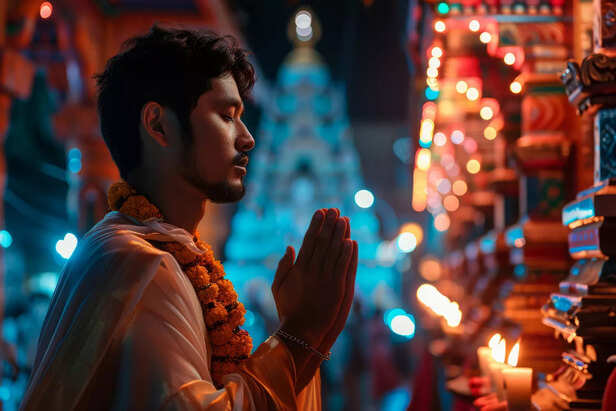
Devotee Offering Final Prayer
Image credit : Freepik
The Kshama Yachna Mantra is recited at the end of rituals. It is the final offering. In Hindu tradition, no human action is perfect. Small mistakes in pronunciation, steps, or focus may happen. By asking forgiveness, devotees complete the puja with purity. It shows awareness that God is compassionate and understands intention. This prayer seals the worship with humility. Spiritually, it acts like closing a sacred circle. It ensures that the devotion reaches the divine fully, without ego or pride blocking the path.
Dissolving Ego Through Humility
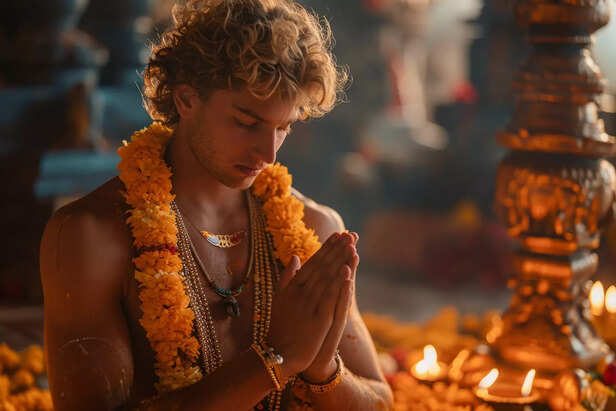
Folded Hands in Surrender
Image credit : Freepik
Ego creates distance between the soul and the divine. The Kshama Yachna Mantra gently removes this barrier. When devotees admit mistakes, they accept human limitations. This softens pride and opens the heart. In scriptures, humility is praised as the highest virtue. By asking forgiveness, one aligns with divine grace instead of personal superiority. It teaches that devotion is not about showing knowledge or ritual skill. It is about surrender. This surrender strengthens faith and invites divine blessings into everyday life.
Cleansing Karma and Intentions
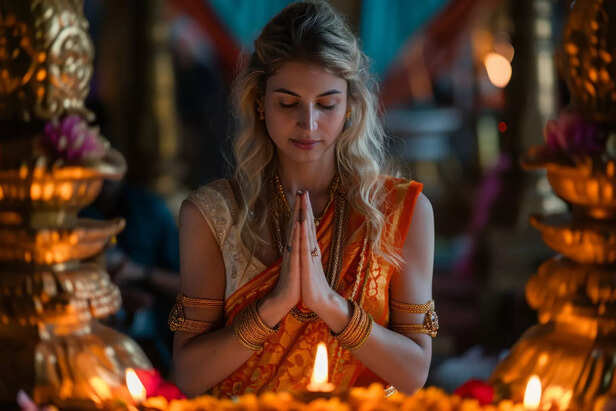
Light Removing Darkness
Image credit : Freepik
In Hinduism, karma shapes life experiences. Even unintentional mistakes create subtle karmic impressions. The Kshama Yachna Mantra acts as a spiritual cleanser. It purifies thoughts, words, and actions performed during worship. By acknowledging errors, devotees reduce karmic burden. This practice builds spiritual awareness and responsibility. Over time, it cultivates mindful living beyond the temple. Forgiveness becomes a daily habit, not just a ritual step. The mantra therefore protects the soul from accumulating negative impressions and supports inner peace.
Strengthening Divine Relationship
Path to Inner Peace
Calm Devotee in Silent Prayer
Unlock insightful tips and inspiration on personal growth, productivity, and well-being. Stay motivated and updated with the latest at My Life XP.
Frequently Asked Questions (FAQs)
The Kshama Yachna Mantra is a short forgiveness prayer recited at the end of Hindu worship. Devotees ask God to forgive any mistakes made during the puja.
2. Why is Kshama Yachna important in Sanatan Dharma?
In Sanatan Dharma, humility is a core value. Asking forgiveness shows sincerity, removes ego, and completes the ritual with purity.
3. When should we chant the Kshama Yachna Mantra?
It is usually chanted at the end of aarti, puja, havan, or any spiritual ritual before concluding the worship.
4. Does the mantra remove sins or bad karma?
It helps purify intentions and reduce negative karmic impressions caused by unintentional mistakes during worship.
5. Can we say Kshama Yachna daily?
Yes. You can say it daily, even outside rituals. It brings peace, humility, and strengthens your bond with the divine.