Why School-Aged Children Are Most Vulnerable in Mongolia’s Measles Surge
Noopur Kumari | Tue, 10 Feb 2026
Measles is a highly contagious and potentially deadly disease, especially for children under five. The virus spreads easily through coughing, sneezing, and contaminated air, remaining active for up to two hours. Early vaccination is the most effective protection, while timely medical care can prevent serious complications. Symptoms include fever, cough, runny nose, red eyes, and a distinctive rash. Despite the availability of safe and cost-effective vaccines, measles still claims thousands of lives worldwide every year. Awareness, vaccination campaigns, and community protection are critical to stopping outbreaks and safeguarding children from this dangerous disease.

Mongolia's total number of confirmed measles cases exceeds 14,000
Image credit : IANS
Mongolia is facing a severe measles outbreak, with over 14,000 confirmed cases reported. School-aged children, especially those who received only one vaccine dose, are most at risk. Measles is highly contagious, spreading through the air or contact with infected surfaces, and can cause serious complications in children. Health authorities strongly advise parents to ensure their children receive both doses of the measles vaccine to prevent severe illness. Recognizing symptoms, understanding prevention methods, and timely vaccination are crucial to protecting children. Awareness and proactive measures can stop the spread, safeguard families, and save lives.
![School Children in Mongolia]()
The National Centre for Communicable Diseases (NCCD) reports that the majority of new cases are children who have received only one measles vaccine dose. These children are particularly vulnerable, as incomplete vaccination reduces immunity. Authorities urge parents to ensure children receive both doses to maximize protection against the virus. School environments, with close contact among children, can quickly amplify the spread of measles if precautions are not taken.
![School Children in Mongolia]()
Measles is one of the most contagious diseases in the world. A single infected person can transmit the virus to up to 18 others, and it can remain active in the air or on surfaces for up to two hours. This makes classrooms, homes, and public spaces highly vulnerable to outbreaks. Families can protect themselves by isolating infected individuals, practicing frequent handwashing, and ensuring timely vaccination. Awareness and preventive action are essential to stop the virus from spreading. Early understanding of transmission can save lives, especially for children and vulnerable populations, by reducing infection risks significantly.
![Measles Rash on Child]()
Measles symptoms usually appear 10 to 14 days after exposure to the virus. Early signs include cough, runny nose, red and watery eyes, and small white spots inside the cheeks. A distinctive rash begins on the face and neck, gradually spreading to the hands and feet over several days. Fever, fatigue, and general discomfort often accompany the rash, which typically lasts five to six days. Recognizing these symptoms early is essential for seeking prompt medical care, preventing serious complications, and stopping the virus from spreading. Early detection and treatment save lives and protect communities.
Vaccination is the safest and most effective way to protect children from measles. Children who receive both doses of the vaccine are highly protected from severe illness and long-term complications. Before vaccines were widely available, measles caused millions of deaths worldwide each year. Even today, the disease claims over 100,000 lives annually, mostly in children under five. Timely vaccination not only safeguards the child but also protects the community by limiting the spread of the virus. Parents are urged to prioritize immunization to ensure healthy, safe children and a stronger, disease-free society.
Before the measles vaccine was introduced in 1963, major epidemics occurred every two to three years, claiming an estimated 2.6 million lives annually. Today, measles remains a serious global health threat, even with safe and cost-effective vaccines widely available. In 2023, over 107,500 people died from measles, most of them children under five. Mongolia’s recent outbreak highlights the urgent need for vigilance, full vaccination, and public health awareness. Ensuring timely immunization protects children and communities, prevents severe illness, and saves lives. Awareness and preventive measures are key to stopping outbreaks and safeguarding future generations.
Parents can protect their children by ensuring both doses of the measles vaccine are administered. Maintaining hygiene, avoiding crowded places during outbreaks, and seeking immediate medical care for suspected cases are critical. Communities must work together to prevent further spread and ensure vulnerable children receive proper protection. Awareness, education, and preventive measures can significantly reduce infections and save lives.
Unlock insightful tips and inspiration on personal growth, productivity, and well-being. Stay motivated and updated with the latest at My Life XP.
1. What caused the recent measles outbreak in Mongolia?
The outbreak is largely among school-aged children who received only one dose of the measles vaccine, reducing immunity. Close contact in schools accelerates the spread of the virus.
2. How contagious is measles?
Measles is extremely contagious. One infected person can spread the virus to up to 18 others. The virus can linger in the air or on surfaces for up to two hours.
3. What are the early symptoms of measles?
Early symptoms include cough, runny nose, red and watery eyes, fever, and small white spots inside the cheeks. A red rash usually appears a few days later.
4. How can parents protect their children?
Children should receive two doses of the measles vaccine. Avoiding crowded places during outbreaks, maintaining hygiene, and seeking prompt medical care for suspected cases is crucial.
5. Who is most at risk from measles?
Children under five and those with incomplete vaccination are at the highest risk of severe illness and complications.
Rising Cases Among School-Aged Children
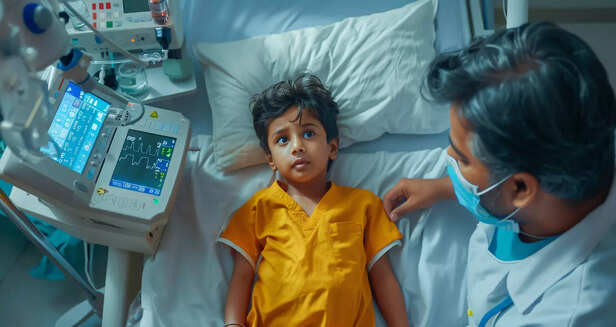
School Children in Mongolia
Image credit : Freepik
The National Centre for Communicable Diseases (NCCD) reports that the majority of new cases are children who have received only one measles vaccine dose. These children are particularly vulnerable, as incomplete vaccination reduces immunity. Authorities urge parents to ensure children receive both doses to maximize protection against the virus. School environments, with close contact among children, can quickly amplify the spread of measles if precautions are not taken.
How Measles Spreads
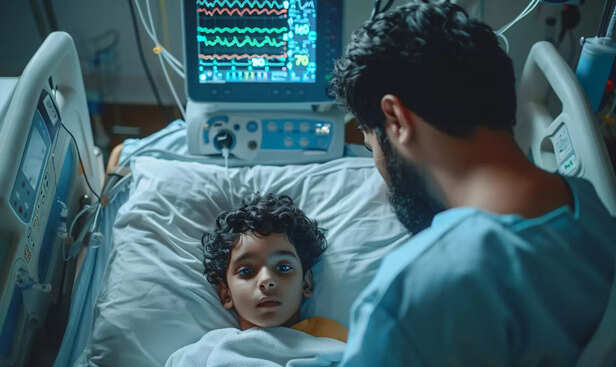
School Children in Mongolia
Measles is one of the most contagious diseases in the world. A single infected person can transmit the virus to up to 18 others, and it can remain active in the air or on surfaces for up to two hours. This makes classrooms, homes, and public spaces highly vulnerable to outbreaks. Families can protect themselves by isolating infected individuals, practicing frequent handwashing, and ensuring timely vaccination. Awareness and preventive action are essential to stop the virus from spreading. Early understanding of transmission can save lives, especially for children and vulnerable populations, by reducing infection risks significantly.
Symptoms to Watch For

Measles Rash on Child
Image credit : Freepik
Measles symptoms usually appear 10 to 14 days after exposure to the virus. Early signs include cough, runny nose, red and watery eyes, and small white spots inside the cheeks. A distinctive rash begins on the face and neck, gradually spreading to the hands and feet over several days. Fever, fatigue, and general discomfort often accompany the rash, which typically lasts five to six days. Recognizing these symptoms early is essential for seeking prompt medical care, preventing serious complications, and stopping the virus from spreading. Early detection and treatment save lives and protect communities.
Importance of Vaccination
Global Impact and Historical Context
Protecting Your Family
Unlock insightful tips and inspiration on personal growth, productivity, and well-being. Stay motivated and updated with the latest at My Life XP.
Frequently Asked Questions (FAQs)
The outbreak is largely among school-aged children who received only one dose of the measles vaccine, reducing immunity. Close contact in schools accelerates the spread of the virus.
2. How contagious is measles?
Measles is extremely contagious. One infected person can spread the virus to up to 18 others. The virus can linger in the air or on surfaces for up to two hours.
3. What are the early symptoms of measles?
Early symptoms include cough, runny nose, red and watery eyes, fever, and small white spots inside the cheeks. A red rash usually appears a few days later.
4. How can parents protect their children?
Children should receive two doses of the measles vaccine. Avoiding crowded places during outbreaks, maintaining hygiene, and seeking prompt medical care for suspected cases is crucial.
5. Who is most at risk from measles?
Children under five and those with incomplete vaccination are at the highest risk of severe illness and complications.