Why Thousands of Devotees Observe a 30-Day Fast During Sawan?
Kashish Pandey | Jul 14, 2026, 12:30 IST
A month-long Sawan vrat is one of the most cherished traditions among Lord Shiva devotees. Although it's not compulsory, many people observe it as a way to strengthen their faith, practise self-discipline, and seek divine blessings. Here's why this sacred ritual continues to hold a special place in the hearts of millions.

Shivling Puja
Image credit : Chatgpt[AI]
Every year, as the holy month of Sawan begins, something remarkable happens across India. Temples fill with devotees before sunrise, chants of "Har Har Mahadev" echo through the air, and many people quietly begin a month-long fast. While some observe a vrat only on Mondays, others follow it every single day of Sawan. It isn't just about giving up certain foods. It's about faith, discipline, and finding peace in a world that rarely slows down. But what makes this month so special that millions dedicate it entirely to Lord Shiva?
For Shiva devotees, Sawan isn't simply another month on the calendar. It is the most sacred time of the year. According to Hindu tradition, this is the month that is especially dear to Lord Shiva, making every prayer, mantra, and act of devotion even more meaningful.
That's why Shiva temples across the country witness long queues of devotees carrying holy water, offering bel leaves, and performing rituals from early morning. Many believe that worshipping Lord Shiva during Sawan brings inner peace, removes obstacles, and invites positivity into life. For them, fasting isn't an obligation. It is a heartfelt way of expressing devotion.
![Negative Thoughts]()
When people hear the word "vrat," they often think it's only about avoiding meals. But ask someone who has observed a Sawan fast, and they'll tell you the real challenge lies somewhere else.
The vrat is about controlling the mind as much as the body. Devotees try to avoid anger, negative thoughts, and unhealthy habits while focusing on prayer, meditation, and kindness. Many wake up before sunrise, visit temples, chant "Om Namah Shivaya," and keep their daily lives simple. In many ways, Sawan becomes less about what you stop eating and more about how you choose to live.
No two people observe the Sawan vrat for exactly the same reason.
Some keep it after making a sankalp, a sacred promise to Lord Shiva while praying for good health, a happy marriage, career success, or the well-being of their family. Others fast simply to express gratitude for blessings they've already received.
For many families, it's also a tradition that has been passed down for generations. Children grow up watching their parents and grandparents observe the vrat and naturally continue the practice. What may look like a simple ritual from the outside often carries years of faith, memories, and personal meaning.
![Meditation]()
One question often puzzles people. If Sawan is so important, why doesn't everyone fast in the same way?
The answer is simple. Hinduism allows devotion to be deeply personal.
Many devotees observe Sawan Somvar Vrat, fasting only on the Mondays of Shravan because these days are considered especially auspicious for Lord Shiva. Others choose to fast throughout the entire month, while some don't fast at all but offer prayers, perform abhishek, or visit Shiva temples regularly.
There is no single rule that everyone must follow. What matters most is the sincerity behind the worship, not the number of days spent fasting.
Life today moves at an exhausting pace. Between work, responsibilities, and endless notifications, finding a moment of peace isn't easy.
For many devotees, Sawan offers exactly that pause. Along with fasting, people often reduce distractions, eat simple home-cooked meals, spend more time in prayer, read spiritual texts, and practise charity. Some even avoid arguments and make a conscious effort to stay calm throughout the month.
Whether viewed spiritually or personally, the vrat encourages mindfulness. It reminds people that sometimes, the greatest strength comes from slowing down rather than rushing ahead.
![Faith]()
One of the biggest misconceptions is that everyone must observe a month-long Sawan fast to receive Lord Shiva's blessings. That's simply not true.
Hindu scriptures praise devotion during Shravan, but they don't make a month-long vrat compulsory. Some devotees fast every day, others only on Mondays, and many worship Lord Shiva through prayers, offerings, and acts of kindness without fasting at all.
In the end, faith cannot be measured by the number of meals skipped. It is reflected in devotion, compassion, honesty, and the intention with which a person worships.
For millions of devotees, Sawan is not just about rituals. It is about reconnecting with faith, finding inner peace, and living with greater awareness. Whether someone fasts every day, observes only the Monday vrat, or simply offers heartfelt prayers to Lord Shiva, the purpose remains the same. To strengthen the bond between the devotee and the divine. After all, the true essence of Sawan isn't found in sacrifice alone. It is found in sincere devotion that comes from the heart.
This article is based on spiritual beliefs and is intended for informational purposes only. It does not constitute financial, medical, or professional advice.
Unlock insightful tips and inspiration on personal growth, productivity, and well-being. Stay motivated and updated with the latest at My Life XP.
Sawan Is More Than Just Another Month
For Shiva devotees, Sawan isn't simply another month on the calendar. It is the most sacred time of the year. According to Hindu tradition, this is the month that is especially dear to Lord Shiva, making every prayer, mantra, and act of devotion even more meaningful.
That's why Shiva temples across the country witness long queues of devotees carrying holy water, offering bel leaves, and performing rituals from early morning. Many believe that worshipping Lord Shiva during Sawan brings inner peace, removes obstacles, and invites positivity into life. For them, fasting isn't an obligation. It is a heartfelt way of expressing devotion.
The Fast Isn't Really About Food

Negative Thoughts
Image credit : Freepik
When people hear the word "vrat," they often think it's only about avoiding meals. But ask someone who has observed a Sawan fast, and they'll tell you the real challenge lies somewhere else.
The vrat is about controlling the mind as much as the body. Devotees try to avoid anger, negative thoughts, and unhealthy habits while focusing on prayer, meditation, and kindness. Many wake up before sunrise, visit temples, chant "Om Namah Shivaya," and keep their daily lives simple. In many ways, Sawan becomes less about what you stop eating and more about how you choose to live.
Every Devotee Has a Personal Story
No two people observe the Sawan vrat for exactly the same reason.
Some keep it after making a sankalp, a sacred promise to Lord Shiva while praying for good health, a happy marriage, career success, or the well-being of their family. Others fast simply to express gratitude for blessings they've already received.
For many families, it's also a tradition that has been passed down for generations. Children grow up watching their parents and grandparents observe the vrat and naturally continue the practice. What may look like a simple ritual from the outside often carries years of faith, memories, and personal meaning.
Why Some Fast Every Day While Others Choose Mondays

Meditation
Image credit : Freepik
One question often puzzles people. If Sawan is so important, why doesn't everyone fast in the same way?
The answer is simple. Hinduism allows devotion to be deeply personal.
Many devotees observe Sawan Somvar Vrat, fasting only on the Mondays of Shravan because these days are considered especially auspicious for Lord Shiva. Others choose to fast throughout the entire month, while some don't fast at all but offer prayers, perform abhishek, or visit Shiva temples regularly.
There is no single rule that everyone must follow. What matters most is the sincerity behind the worship, not the number of days spent fasting.
A Month That Teaches You to Slow Down
Life today moves at an exhausting pace. Between work, responsibilities, and endless notifications, finding a moment of peace isn't easy.
For many devotees, Sawan offers exactly that pause. Along with fasting, people often reduce distractions, eat simple home-cooked meals, spend more time in prayer, read spiritual texts, and practise charity. Some even avoid arguments and make a conscious effort to stay calm throughout the month.
Whether viewed spiritually or personally, the vrat encourages mindfulness. It reminds people that sometimes, the greatest strength comes from slowing down rather than rushing ahead.
Faith Matters More Than the Length of the Fast
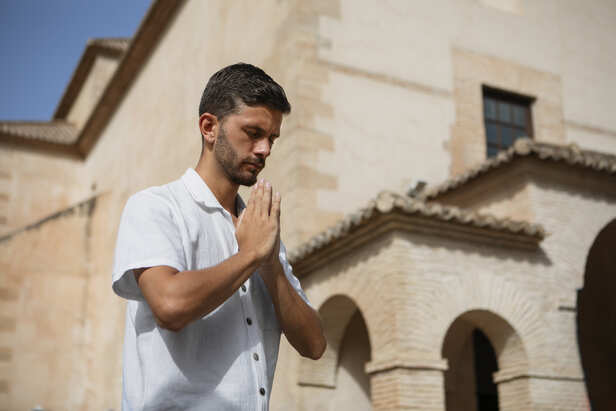
Faith
Image credit : Freepik
One of the biggest misconceptions is that everyone must observe a month-long Sawan fast to receive Lord Shiva's blessings. That's simply not true.
Hindu scriptures praise devotion during Shravan, but they don't make a month-long vrat compulsory. Some devotees fast every day, others only on Mondays, and many worship Lord Shiva through prayers, offerings, and acts of kindness without fasting at all.
In the end, faith cannot be measured by the number of meals skipped. It is reflected in devotion, compassion, honesty, and the intention with which a person worships.
For millions of devotees, Sawan is not just about rituals. It is about reconnecting with faith, finding inner peace, and living with greater awareness. Whether someone fasts every day, observes only the Monday vrat, or simply offers heartfelt prayers to Lord Shiva, the purpose remains the same. To strengthen the bond between the devotee and the divine. After all, the true essence of Sawan isn't found in sacrifice alone. It is found in sincere devotion that comes from the heart.
This article is based on spiritual beliefs and is intended for informational purposes only. It does not constitute financial, medical, or professional advice.
Unlock insightful tips and inspiration on personal growth, productivity, and well-being. Stay motivated and updated with the latest at My Life XP.