Why TV Got Lord Indra Wrong: The Hidden Truth from Scriptures
Noopur Kumari | Mon, 23 Mar 2026
Most people know Indra as the jealous king of heaven shown in TV serials. But what if this image is incomplete? Ancient texts like the Rigveda and Puranas reveal a far more complex truth one of power, responsibility, and human-like flaws with deeper meaning. Why was Indra shown making mistakes? What lessons do those stories actually teach? Discover the hidden symbolism behind his actions and why misunderstanding him might mean missing an important spiritual message that still applies to modern life today.

Lord Indra TV Got Wrong
Image credit : ChatGPT (AI)
If you’ve watched mythological TV shows, you’ve likely seen Indra portrayed as insecure, jealous, and afraid of losing his throne. But is that really the full truth? Or is there a deeper story hidden beneath these dramatic portrayals? When you explore ancient scriptures like the Rigveda and the Puranas, a very different image begins to appear one of power, responsibility, and symbolic lessons. Indra is not just a flawed king, but a complex figure reflecting human struggles and growth. Let’s uncover what’s real and what has been misunderstood.
![TV portrayal of Indra]()
Most TV shows portray Indra as a ruler who feels constantly threatened by sages and humans gaining power. He is often shown interrupting penance, creating obstacles, and reacting out of fear or insecurity. Over time, this repeated image shapes how people perceive him. But this is only one layer of the story. Ancient scriptures never meant to reduce Indra to a negative character. Instead, his actions are symbolic, reflecting deeper truths about power, responsibility, ego, and human nature reminding us that even the powerful must learn, evolve, and maintain balance.
![“Indra as king of Devas]()
In ancient texts like the Rigveda, Indra is described as one of the most powerful and respected deities, far beyond how modern media portrays him. He is the king of the Devas, ruling over heaven and controlling forces like rain, thunder, and war. His role is crucial he maintains balance in nature and protects the universe from chaos. Without his power, there would be no rainfall, no crops, and no survival. This deeper image shows Indra not as flawed, but as a symbol of responsibility, leadership, and strength under immense pressure.
![Symbolic storytelling in scriptures]()
Yes, Indra makes mistakes in many stories, but these are not random flaws they carry deep meaning. His actions reflect human emotions like ego, fear, and attachment that everyone experiences. When Indra reacts with insecurity, it mirrors how people behave when they feel threatened or uncertain. The purpose of these stories is not to criticize him, but to teach powerful life lessons. Scriptures use his character as a mirror for self-awareness. They remind us that even the strongest individuals must control their ego. This is the hidden wisdom most people overlook in these ancient teachings.
In the famous Govardhan episode, Krishna humbles Indra when pride clouds his judgment. At first, it seems like Indra is simply wrong. But the deeper message is more powerful. The story reveals that even divine beings are not beyond growth and self-realisation. When Indra recognises his mistake, he lets go of ego and transforms. This moment is not about defeat it is about awakening. It teaches us that true strength lies in accepting our flaws, learning from them, and evolving into a better version of ourselves with humility and awareness.
The story of Indra is not about judging a deity it’s about understanding yourself. We all experience moments of fear, comparison, and insecurity in daily life. Like Indra, we sometimes react quickly instead of pausing to reflect. But the moment awareness enters, everything begins to change. When you recognize your ego, you gain the power to control it. When you accept your mistakes, you open the door to growth. This is the deeper wisdom hidden in these stories not the idea of being perfect, but the journey of evolving, learning, and becoming a better, more conscious version of yourself.
TV shows often simplify stories for drama, but ancient scriptures reveal deeper layers of meaning. Indra is not just a flawed king he represents a mirror of human nature. His actions reflect power, responsibility, ego, and growth, emotions we all experience. When you look beyond surface-level storytelling, the narrative transforms into a lesson about self-awareness. His mistakes are not weaknesses but teachings about balance and humility. And slowly, you begin to see your own life in his story. Because in truth, the message was never only about Indra it has always been about understanding yourself.
Unlock insightful tips and inspiration on personal growth, productivity, and well-being. Stay motivated and updated with the latest at My Life XP.
1. Why do TV shows portray Indra as negative?
TV shows focus on drama and conflict to keep viewers engaged. As a result, Indra’s flaws are highlighted more than his responsibilities and virtues.
2. Is Lord Indra really jealous and insecure?
In some stories, Indra shows human-like emotions such as fear and ego. But these are symbolic lessons, not his complete personality.
3. What do scriptures say about Indra?
Texts like the Rigveda describe Indra as a powerful deity king of gods, controller of rain, and protector of cosmic balance.
4. Why are Indra’s mistakes important?
His actions teach important life lessons about ego, power, and humility. They reflect challenges that humans also face.
5. Should we see Indra as a negative character?
No. He is a complex figure with both strengths and flaws, representing growth and self-awareness rather than negativity.
The Popular Image vs Reality
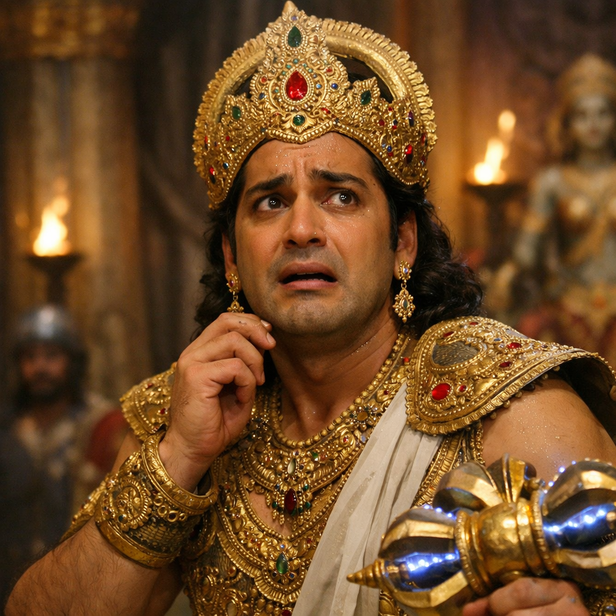
TV portrayal of Indra
Image credit : CHATGPT(AI)
Most TV shows portray Indra as a ruler who feels constantly threatened by sages and humans gaining power. He is often shown interrupting penance, creating obstacles, and reacting out of fear or insecurity. Over time, this repeated image shapes how people perceive him. But this is only one layer of the story. Ancient scriptures never meant to reduce Indra to a negative character. Instead, his actions are symbolic, reflecting deeper truths about power, responsibility, ego, and human nature reminding us that even the powerful must learn, evolve, and maintain balance.
The Forgotten Role of Indra
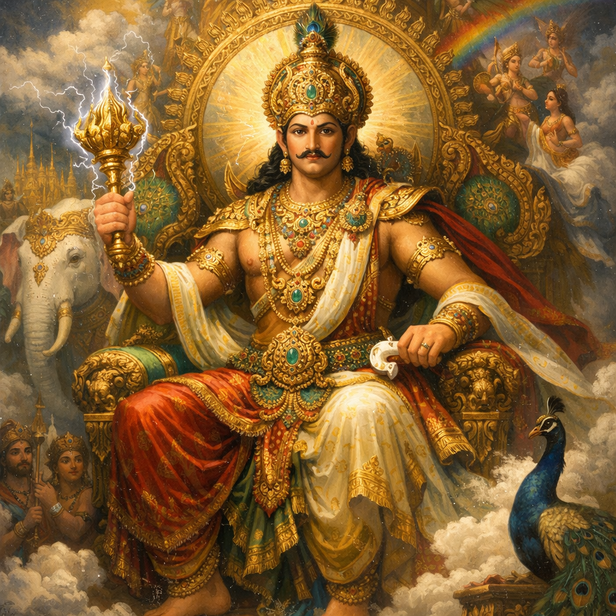
“Indra as king of Devas
Image credit : CHATGPT(AI)
In ancient texts like the Rigveda, Indra is described as one of the most powerful and respected deities, far beyond how modern media portrays him. He is the king of the Devas, ruling over heaven and controlling forces like rain, thunder, and war. His role is crucial he maintains balance in nature and protects the universe from chaos. Without his power, there would be no rainfall, no crops, and no survival. This deeper image shows Indra not as flawed, but as a symbol of responsibility, leadership, and strength under immense pressure.
The Hidden Meaning Behind His Mistakes
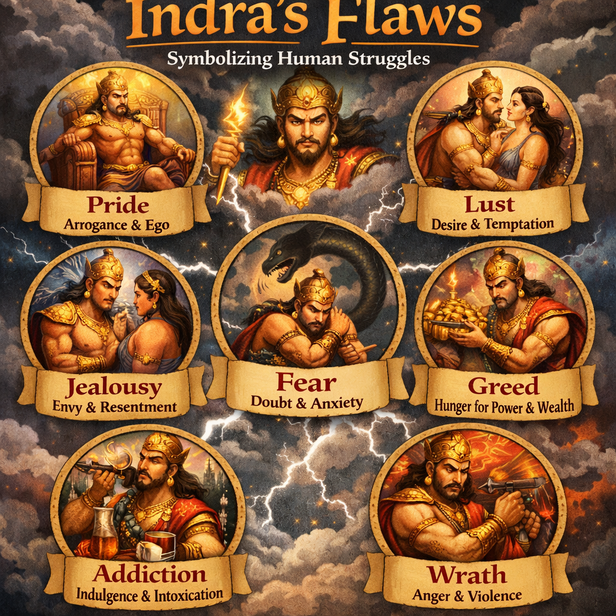
Symbolic storytelling in scriptures
Image credit : CHATGPT(AI)
Yes, Indra makes mistakes in many stories, but these are not random flaws they carry deep meaning. His actions reflect human emotions like ego, fear, and attachment that everyone experiences. When Indra reacts with insecurity, it mirrors how people behave when they feel threatened or uncertain. The purpose of these stories is not to criticize him, but to teach powerful life lessons. Scriptures use his character as a mirror for self-awareness. They remind us that even the strongest individuals must control their ego. This is the hidden wisdom most people overlook in these ancient teachings.
A Story That Changes Everything
What We Can Learn Today
Beyond What TV Shows You
Unlock insightful tips and inspiration on personal growth, productivity, and well-being. Stay motivated and updated with the latest at My Life XP.
Frequently Asked Questions (FAQs)
TV shows focus on drama and conflict to keep viewers engaged. As a result, Indra’s flaws are highlighted more than his responsibilities and virtues.
2. Is Lord Indra really jealous and insecure?
In some stories, Indra shows human-like emotions such as fear and ego. But these are symbolic lessons, not his complete personality.
3. What do scriptures say about Indra?
Texts like the Rigveda describe Indra as a powerful deity king of gods, controller of rain, and protector of cosmic balance.
4. Why are Indra’s mistakes important?
His actions teach important life lessons about ego, power, and humility. They reflect challenges that humans also face.
5. Should we see Indra as a negative character?
No. He is a complex figure with both strengths and flaws, representing growth and self-awareness rather than negativity.