Why Varanmukhi Yogini Is So Unique and Powerful
Noopur Kumari | Thu, 09 Apr 2026
A forgotten Yogini. A face that feels unfamiliar almost unsettling. And a power few dare to understand. Linked to Varaha Connected to Hanuman But why does she exist in such a rare form? What secret is hidden behind her image? This isn’t just a myth you’ve heard before. It’s a coded message about strength, survival, and transformation. The real question is are you seeing just the form or the power behind it?

Varanmukhi
Image credit : ChatGPT(AI)
In the mystical world of the Chausath Yoginis, some forms are so rare they almost feel unreal. A deity with a vanar-like face. A divine force riding a camel.
And a presence filled with mystery. Meet Varanmukhi a Yogini many have never heard of, yet one that holds immense hidden power. But why is her form so unusual And what secret does she carry?
![Varanmukhi Yogini Form]()
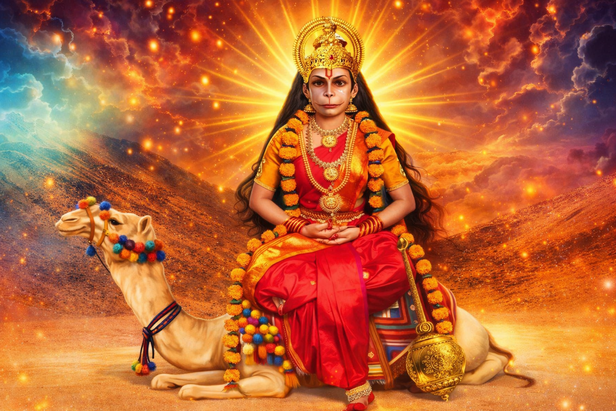
The first thing that stands out about Varanmukhi Yogini is her unusual appearance. With a vanar-like face and unique body structure, she challenges the idea of beauty and divinity. But in spiritual symbolism, nothing is random. Her form represents strength, alertness, and primal energy. It reminds us that divine power is not always gentle it can be raw and intense. This Yogini teaches that true strength often lies beyond what we find visually pleasing or familiar.
![Varaha Energy Link]()
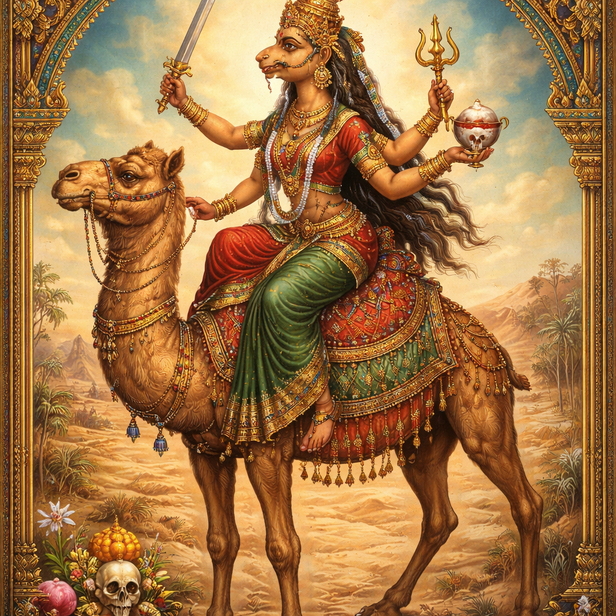
Varanmukhi is also known as “Ushtrarudha” the one who rides a camel. This detail is not just visual it holds deep meaning. The camel symbolizes endurance, patience, and survival in harsh conditions. By riding it, the Yogini represents control over difficult situations. It sends a powerful message life will test you, but stability comes from mastering your environment. Her image becomes a guide for those facing challenges, reminding them to stay grounded and resilient.
Varanmukhi Yogini is associated with Varaha, the boar incarnation of Vishnu. Varaha represents protection, stability, and the lifting of Earth from chaos. This connection reveals the Yogini’s deeper role not just as a servant, but as a carrier of grounding energy. She symbolizes the power that restores balance when everything feels unstable. This hidden link shows that her strength is not just physical it is cosmic and protective.
Some traditions believe Varanmukhi Yogini reflects the sindoori energy of Hanuman. This connection brings a new dimension to her identity. Hanuman represents devotion, courage, and unstoppable force. Similarly, this Yogini carries a fierce protective energy. It suggests that devotion itself can transform into power. This hidden link is rarely discussed, yet it reveals how different divine energies are interconnected in ways we often overlook.
The biggest truth about Varanmukhi Yogini is this her power lies in transformation. She represents the ability to face fear, embrace uniqueness, and rise stronger. Many people seek divine blessings without understanding the lessons behind them. This Yogini teaches resilience, control, and inner strength. Her story is not just about worship it’s about awakening. Once you understand her symbolism, you realize that the real power was never outside it was always within you.
Unlock insightful tips and inspiration on personal growth, productivity, and well-being. Stay motivated and updated with the latest at My Life XP.
1. Who is Varanmukhi Devi?
Varanmukhi Devi is one of the Chausath (64) Yoginis, known for her unique vanar-like face and powerful, mysterious energy. She is considered a divine attendant (sevika) with strong spiritual significance.
2. Why does Varanmukhi Yogini have a monkey-like face?
Her vanar-like form symbolizes strength, alertness, and primal energy. It represents raw power beyond human beauty, showing that divinity can exist in unexpected forms.
3. What is the connection between Varanmukhi and Varaha’?
Varanmukhi Yogini is believed to be associated with Varaha’s energy, symbolizing protection, grounding, and restoring balance during chaos.
4. Is there a link between Varanmukhi and Hanuman?
Yes, some traditions connect her to Hanuman’s sindoori (divine) energy, representing devotion, courage, and immense inner strength.
5. Why is she shown riding a camel?
She is called “Ushtrarudha” or “Ushtravahini” because she rides a camel, which symbolizes endurance, patience, and survival in tough conditions.
And a presence filled with mystery. Meet Varanmukhi a Yogini many have never heard of, yet one that holds immense hidden power. But why is her form so unusual And what secret does she carry?
A Form That Defies Understanding
Varanmukhi Yogini Form
Image credit : ChatGPT(AI)
The first thing that stands out about Varanmukhi Yogini is her unusual appearance. With a vanar-like face and unique body structure, she challenges the idea of beauty and divinity. But in spiritual symbolism, nothing is random. Her form represents strength, alertness, and primal energy. It reminds us that divine power is not always gentle it can be raw and intense. This Yogini teaches that true strength often lies beyond what we find visually pleasing or familiar.
The Mystery of the Camel Ride
Varaha Energy Link
Image credit : CHATGPT(AI)
Varanmukhi is also known as “Ushtrarudha” the one who rides a camel. This detail is not just visual it holds deep meaning. The camel symbolizes endurance, patience, and survival in harsh conditions. By riding it, the Yogini represents control over difficult situations. It sends a powerful message life will test you, but stability comes from mastering your environment. Her image becomes a guide for those facing challenges, reminding them to stay grounded and resilient.
Connection with Varaha Power
The Hidden Link to Hanuman
The Real Power People Ignore
Unlock insightful tips and inspiration on personal growth, productivity, and well-being. Stay motivated and updated with the latest at My Life XP.
Frequently Asked Questions (FAQs)
Varanmukhi Devi is one of the Chausath (64) Yoginis, known for her unique vanar-like face and powerful, mysterious energy. She is considered a divine attendant (sevika) with strong spiritual significance.
2. Why does Varanmukhi Yogini have a monkey-like face?
Her vanar-like form symbolizes strength, alertness, and primal energy. It represents raw power beyond human beauty, showing that divinity can exist in unexpected forms.
3. What is the connection between Varanmukhi and Varaha’?
Varanmukhi Yogini is believed to be associated with Varaha’s energy, symbolizing protection, grounding, and restoring balance during chaos.
4. Is there a link between Varanmukhi and Hanuman?
Yes, some traditions connect her to Hanuman’s sindoori (divine) energy, representing devotion, courage, and immense inner strength.
5. Why is she shown riding a camel?
She is called “Ushtrarudha” or “Ushtravahini” because she rides a camel, which symbolizes endurance, patience, and survival in tough conditions.