India’s Drishti Satellite Is a Silent Game Changer
Noopur Kumari | Mon, 04 May 2026
Most satellites struggle the moment clouds appear but Drishti changes that completely. By combining multispectral imaging with advanced radar, it can capture clear data in almost any condition. This solves a challenge that Western systems rarely faced but is critical for countries like India. The result is not just better images, but real-time, reliable intelligence that can transform how decisions are made. From security to disaster response, the impact is massive. This is more than just a technological upgrade it marks a shift toward true strategic independence and control over critical information.

Mission Drishti a testament to youth innovation: PM Modi after GalaxEye satellite launch
Image credit : IANS
What if clouds were no longer a barrier, and darkness could no longer hide anything? For decades, satellites had a critical weakness they depended on clear skies to capture useful images. The moment clouds appeared or night fell, visibility dropped, leaving gaps in crucial data. But now, that limitation is being challenged. India has taken a quiet yet powerful leap with technology that can see through these obstacles. This shift is not just about better images it changes how information is gathered, decisions are made, and strategies are formed. And as this capability grows, the world is beginning to take serious notice.
The Problem Satellites Could Never Solve
Mission Drishti a proof of India’s space reforms: Industry
Image credit : IANS
For years, satellites have depended on clear skies. The moment clouds appear, visibility drops sharply. In tropical countries like India, this becomes a constant problem. Studies suggest that nearly 70% of land is covered by clouds at any given time. That means most satellite images are incomplete or unclear. For disaster response, military monitoring, or agriculture, this creates serious gaps. Decisions are delayed. Data becomes unreliable. This limitation was accepted as normal until now. Because solving this single problem changes everything about how countries observe and respond.
What Makes Drishti Different
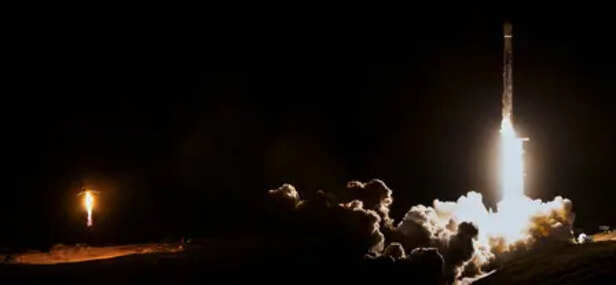
Liftoff! pic.twitter.com/HmS624ScKO
— SpaceX (@SpaceX) May 3, 2026
Drishti is not just another satellite it’s a combination of two powerful systems. It carries a multispectral camera and a synthetic aperture radar (SAR) together. While normal cameras fail in clouds or darkness, SAR can see through them. By merging both, Drishti ensures continuous, reliable imaging. This is rare and highly advanced. It doesn’t depend on weather or light conditions. Whether it’s night, fog, or heavy clouds, it still works. This ability turns Drishti into something more than a satellite it becomes a constant observer.
Why India Needed This Innovation
How This Changes Strategic Power
The Bigger Shift Nobody Is Talking About
The rise of private innovation in space
Unlock insightful tips and inspiration on personal growth, productivity, and well-being. Stay motivated and updated with the latest at My Life XP.
Frequently Asked Questions (FAQs)
Drishti is an advanced Earth observation satellite developed by GalaxEye. It is designed to capture clear images even through clouds and darkness using a combination of optical and radar technology.
2. What makes Drishti different from other satellites?
Unlike traditional satellites, Drishti combines multispectral imaging with Synthetic Aperture Radar (SAR). This allows it to capture reliable data in all weather and lighting conditions.
3. Why is this technology important for India?
India has frequent cloud cover due to its tropical climate. Drishti solves this problem by ensuring continuous visibility, which improves decision-making in areas like defense, agriculture, and disaster management.
4. How was Drishti launched?
The satellite was launched aboard a Falcon 9 rocket, marking a collaboration between private Indian innovation and global launch infrastructure.
5. Can Drishti be used for defense purposes?
Yes, reliable and real-time imaging can support border monitoring, strategic planning, and quick response during critical situations.