Why Hanuman Is Worshipped Most in This One Month
Noopur Kumari | Mon, 04 May 2026
What looked like a simple meeting was actually a turning point in spiritual history. When Ram met Hanuman, he didn’t just see a messenger he recognized rare devotion, intelligence, and complete surrender. That moment quietly defined the essence of Hanuman Bhakti. At the same time, Jyeshtha is not just about heat; it represents a peak in natural energy where both mind and body are tested. “Bada Mangal” goes beyond ritual, symbolizing service and inner discipline. This devotion is not about external acts, but about aligning yourself with strength, balance, and purpose within.

Ram Really Saw in Hanuman
Image credit : ChatGPT(ai)
What if devotion was never about rituals but about being truly seen? Not loud chants. Not grand temples. Just a pure heart, recognized at the perfect moment. When Lord Ram met Hanuman for the first time, something subtle yet powerful unfolded. It wasn’t just an introduction it was a silent shift that redefined devotion forever. In that instant, Ram didn’t just meet a devotee, he recognized unmatched loyalty and surrender. And strangely, this moment aligns with Jyeshtha the time when energy peaks and inner strength is tested. Most people celebrate it as tradition But very few pause to understand what it truly represents.
![First Meeting of Ram and Hanuman]()
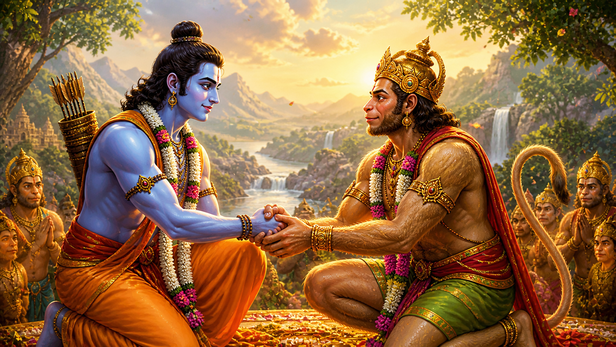
That first meeting in Kishkindha wasn’t dramatic it was subtle but powerful. Hanuman approached Ram with humility, intelligence, and complete surrender. There was no display of power, no attempt to impress. Yet, Ram immediately saw something extraordinary. He praised Hanuman in a way he hadn’t praised anyone before not sages, not gods, not kings. This wasn’t just appreciation. It was recognition. That exact moment became the foundation of what we now call Hanuman Bhakti. It began not with rituals, but with being truly seen and understood.
![Ram Recognizing Hanuman’s Devotion]()
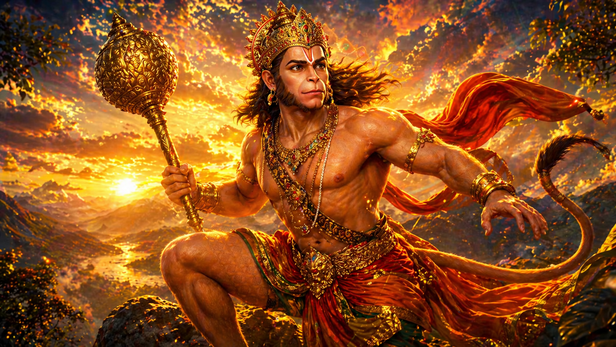
Most people think devotion is about what you do prayers, fasting, rituals. But this moment flips that idea. Hanuman didn’t “perform” devotion. He embodied it. Ram didn’t test him he understood him instantly. That’s what made it powerful. Real devotion isn’t loud. It’s effortless alignment. This is why Hanuman stands apart. His strength came from control, clarity, and surrender not ego. And that’s exactly what makes this story timeless. It reminds us that true value is not in showing, but in being.
Jyeshtha is not just another month it represents intensity. The days are longer, the heat is stronger, and everything feels stretched. But this isn’t random. It reflects a natural peak in energy cycles. Physically and mentally, this period tests patience, endurance, and control. And that’s exactly what Hanuman symbolizes power with discipline. Worshipping him during this time is not coincidence. It’s alignment. When external heat rises, internal balance becomes essential. That’s why remembering Hanuman during Jyeshtha holds deeper meaning than most realize.
Bada Mangal is widely celebrated, especially in Lucknow, with devotion, food distribution, and community service. But beyond tradition, it carries a deeper message. These Tuesdays are not just about prayer they are about action. Hanuman represents service without expectation. That’s why people organize bhandaras, help strangers, and come together. It reflects his nature. The idea is simple devotion must translate into contribution. When people serve others, they step closer to the essence of Hanuman Bhakti. That’s what makes Bada Mangal more than a ritual it becomes a lived experience.
Today’s world is full of noise distractions, pressure, constant comparison. People search for strength but often look in the wrong places. Hanuman represents something rare controlled power. Not aggression, but discipline. Not ego, but clarity. This is why his relevance is growing even today. He is not just a mythological figure he is a psychological model. In times of stress, confusion, or weakness, remembering Hanuman is like reconnecting with your strongest version. That’s why this devotion still survives not because of tradition, but because it works.
That first meeting wasn’t just a moment in history it became a timeless blueprint for understanding devotion. It quietly teaches that true bhakti is not about display or rituals, but about inner alignment and sincerity. You don’t need to prove devotion; you need to live it. Jyeshtha, with its intense heat and longer days, represents pressure and testing. Hanuman represents control, strength, and unwavering focus. When this outer intensity meets inner discipline, something transformative happens within a person. Perhaps that’s why, even today, millions feel naturally connected to Hanuman drawn not by tradition alone, but by a deeper, unexplainable sense of strength and peace.
Unlock insightful tips and inspiration on personal growth, productivity, and well-being. Stay motivated and updated with the latest at My Life XP.
1. Why is the first meeting of Ram and Hanuman so important?
Because it marks the beginning of true Hanuman Bhakti. In that moment, Ram recognized Hanuman’s pure devotion, humility, and intelligence. It wasn’t about power—it was about inner qualities being seen and valued.
2. What is special about Jyeshtha month?
Jyeshtha represents peak heat and intensity in nature. It is believed to be a time when both body and mind are tested, making it ideal for practicing control, patience, and spiritual focus.
3. What is “Bada Mangal”?
Bada Mangal refers to the Tuesdays of Jyeshtha month, especially celebrated in places like Lucknow. Devotees worship Hanuman, organize bhandaras, and engage in acts of service.
4. Why is Hanuman worshipped more during this time?
Because Hanuman symbolizes strength, discipline, and control—qualities needed during the intense energy of Jyeshtha. Worship during this period helps align inner balance with external conditions.
5. Is Hanuman Bhakti only about rituals?
No. True Hanuman Bhakti is about inner alignment—developing strength, humility, and self-control. Rituals are just one part; the real essence lies in living those qualities.
The Moment That Changed Devotion Forever
First Meeting of Ram and Hanuman
Image credit : chatgpt(ai)
That first meeting in Kishkindha wasn’t dramatic it was subtle but powerful. Hanuman approached Ram with humility, intelligence, and complete surrender. There was no display of power, no attempt to impress. Yet, Ram immediately saw something extraordinary. He praised Hanuman in a way he hadn’t praised anyone before not sages, not gods, not kings. This wasn’t just appreciation. It was recognition. That exact moment became the foundation of what we now call Hanuman Bhakti. It began not with rituals, but with being truly seen and understood.
Why This Recognition Matters More Than Worship
Ram Recognizing Hanuman’s Devotion
Image credit : ChatGPT (ai)
Most people think devotion is about what you do prayers, fasting, rituals. But this moment flips that idea. Hanuman didn’t “perform” devotion. He embodied it. Ram didn’t test him he understood him instantly. That’s what made it powerful. Real devotion isn’t loud. It’s effortless alignment. This is why Hanuman stands apart. His strength came from control, clarity, and surrender not ego. And that’s exactly what makes this story timeless. It reminds us that true value is not in showing, but in being.
The Hidden Energy of Jyeshtha Month
The Real Meaning Behind Bada Mangal
Why Hanuman Matters Most in Today’s Life
Modern Devotee Praying to Hanuman
Unlock insightful tips and inspiration on personal growth, productivity, and well-being. Stay motivated and updated with the latest at My Life XP.
Frequently Asked Questions (FAQs)
Because it marks the beginning of true Hanuman Bhakti. In that moment, Ram recognized Hanuman’s pure devotion, humility, and intelligence. It wasn’t about power—it was about inner qualities being seen and valued.
2. What is special about Jyeshtha month?
Jyeshtha represents peak heat and intensity in nature. It is believed to be a time when both body and mind are tested, making it ideal for practicing control, patience, and spiritual focus.
3. What is “Bada Mangal”?
Bada Mangal refers to the Tuesdays of Jyeshtha month, especially celebrated in places like Lucknow. Devotees worship Hanuman, organize bhandaras, and engage in acts of service.
4. Why is Hanuman worshipped more during this time?
Because Hanuman symbolizes strength, discipline, and control—qualities needed during the intense energy of Jyeshtha. Worship during this period helps align inner balance with external conditions.
5. Is Hanuman Bhakti only about rituals?
No. True Hanuman Bhakti is about inner alignment—developing strength, humility, and self-control. Rituals are just one part; the real essence lies in living those qualities.