From Rituals to Renewables: Explore How Festivals Are Fighting Climate Change

Abhijit Das | Wed, 04 Jun 2025
Religious tourism festivals are becoming unexpected allies in the fight against climate change. By blending faith, tradition, and environmental responsibility, they transform spiritual gatherings into powerful climate awareness movements.
Fighting Climate Change
Image credit : Freepik

When Faith Meets the Future: How Religious Festivals Are Fighting Climate Change

Imagine millions of people gathering from all corners of the world, united not just by faith but by a shared responsibility toward the planet. Religious tourism festivals — from the Kumbh Mela in India to the Hajj in Saudi Arabia, from Semana Santa in Latin America to Diwali celebrations in countless homes — are far more than spiritual pilgrimages. These gatherings are becoming powerful platforms for climate change awareness, blending tradition with urgent modern-day action.

Why Religious Festivals Matter in Climate Action
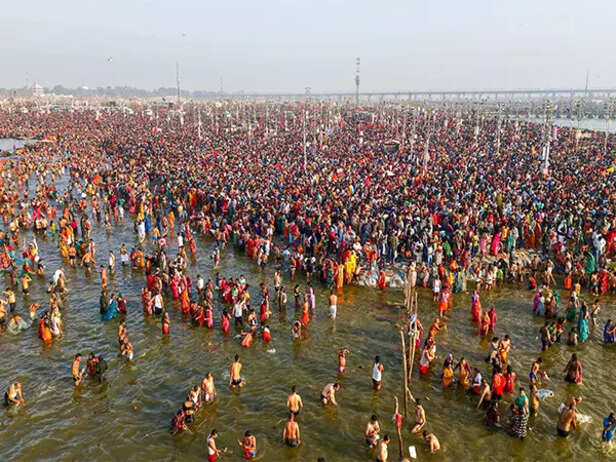
You might ask, “Why should spiritual festivals care about climate change?” The answer is simple: because the Earth is sacred. Across religions, nature is revered — rivers, mountains, forests, and skies are often seen as divine gifts. When millions congregate at these festivals, they experience firsthand how pollution, waste, and climate threats jeopardize these sacred spaces. That realization is fertile ground for change.
kumbh mela
kumbh mela
Image credit : ANI
Take the Kumbh Mela, where over 50 million people bathe in the Ganges. The river’s health is symbolic and vital. But industrial waste and climate-driven changes threaten this lifeline. Festival organizers now work with environmentalists to promote river cleanliness and sustainable practices, teaching pilgrims that caring for the Earth is a form of worship.

Real Impact: Climate Initiatives at Festivals

Festivals around the world are starting to take real steps toward protecting our planet. For example, major pilgrimage sites like the Hajj have transformed their waste management by introducing segregation and recycling systems. Even with millions of people attending, these efforts have drastically cut down the amount of trash ending up in landfills.
Beyond managing waste, many festivals are raising awareness about carbon footprints. Pilgrims are being encouraged to choose greener travel options like public transport, cycling, or carpooling. Some events even link donations to tree planting initiatives, making it easy for attendees to give back to the environment.
There’s also a growing shift toward eco-friendly rituals. In some Hindu festivals, for instance, traditional toxic dyes and plastic decorations are being replaced with natural, biodegradable alternatives. This change helps protect rivers and wildlife, keeping sacred places cleaner and healthier.
On top of that, faith communities are using the power of these gatherings to inspire action. Religious leaders are encouraging their followers to make climate pledges—like cutting down on single-use plastics and embracing sustainable habits. By doing so, they’re tapping into the deep social influence these festivals hold to promote positive, lasting change.

Why This Matters for All of Us

Religious tourism festivals are not just isolated events; they ripple through economies, communities, and the environment. By integrating climate awareness into these gatherings, millions become advocates for the planet without even leaving their spiritual zone.
religious gatherings
Image credit : AP
Moreover, this is social reform in action. Faith traditions have long been sources of moral guidance — now they’re stepping into leadership roles in one of humanity’s greatest challenges. This bridging of ancient wisdom with contemporary science offers a powerful blueprint for change that crosses cultures and borders.

What You Can Do: Join the Movement

Whether you’re a pilgrim, a festival organiser, or simply someone who cares about the Earth, there are meaningful ways you can support the powerful connection between faith and climate action. Start by learning about how the festivals you attend affect the environment—understanding the impact is the first step toward making a difference.
When you travel for these events, try to choose sustainable options for your transportation and where you stay. Small choices like these add up to a big positive impact.
Get involved in activities like clean-up drives or tree-planting events that often happen alongside religious celebrations. These hands-on efforts not only help the planet but also bring communities together in a shared purpose.
Finally, use your voice in your community to spread awareness about our sacred responsibility to protect nature. When more people realise that caring for the Earth is a spiritual duty, the movement for climate action grows stronger.

The Bottom Line

Religious tourism festivals are no longer just about rituals and prayers — they are vibrant hubs of hope and action in the climate crisis. By connecting faith, emotion, and environmental responsibility, these festivals inspire millions to become guardians of the Earth.
Because when faith and future collide, real change happens.

Unlock insightful tips and inspiration on personal growth, productivity, and well-being. Stay motivated and updated with the latest at My Life XP.


Read More

Latest Stories

Featured