The advice is everywhere: drink more water, get better skin. It sounds logical. Skin is an organ, organs need water, therefore more water means better-looking skin. The chain holds until you look at how skin actually manages moisture, and then it starts to fall apart.
Most people who increase their water intake notice nothing in the mirror. That is not a failure of willpower or quantity. It is anatomy.
Your Skin Is the Last Organ in Line
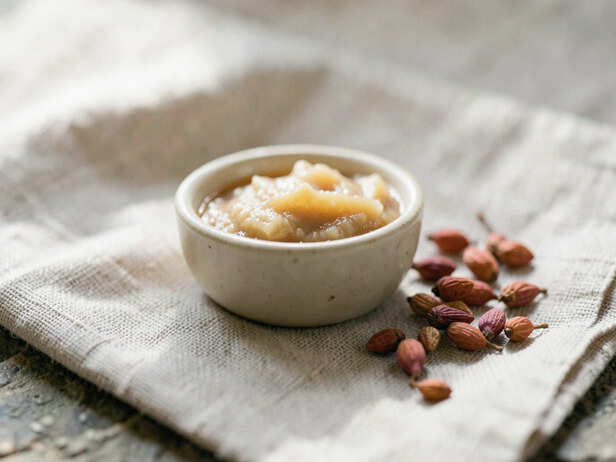
![Raw Skin Nourishment]()
Raw Skin Nourishment
Image credit : MyLifeXP Bureau
Water absorbed through the gut goes into the bloodstream. From there, the body distributes it based on priority: the kidneys, the liver, the muscles, the brain. Skin sits at the end of that queue. By the time water reaches the outermost layers of the epidermis, the part you can see and touch, the amount arriving is small and tightly regulated regardless of how much you drank. Drinking twice as much water does not double what reaches the surface. The body's distribution system does not work that way.
The layer that actually determines whether skin looks plump or tight is the stratum corneum, the outermost sheet of dead skin cells. It holds moisture through its own lipid matrix, a mesh of ceramides, fatty acids, and cholesterol, not through a continuous supply of water from below. That matrix either works or it doesn't, and drinking more water does not repair it.
What Dehydration Actually Does to Skin
Severe, clinical dehydration does affect skin. A simple test: pinch the skin on the back of your hand, release it, and watch how quickly it snaps back. In someone who is significantly dehydrated, it returns slowly. This is the turgor test, and it is a real clinical marker.
The problem is that this test is measuring a medical state, not a cosmetic one. The level of dehydration that visibly affects skin turgor is the same level that causes headaches, dark urine, dizziness, and reduced concentration. Nobody in that state needs a beauty tip. They need water urgently.
For someone who is ordinarily hydrated, drinking enough to keep urine pale, not feeling thirsty for long stretches, drinking more will not move the needle on skin appearance. The body will simply excrete the excess. A well-functioning kidney handles the surplus efficiently.
Where Skin Moisture Actually Comes From
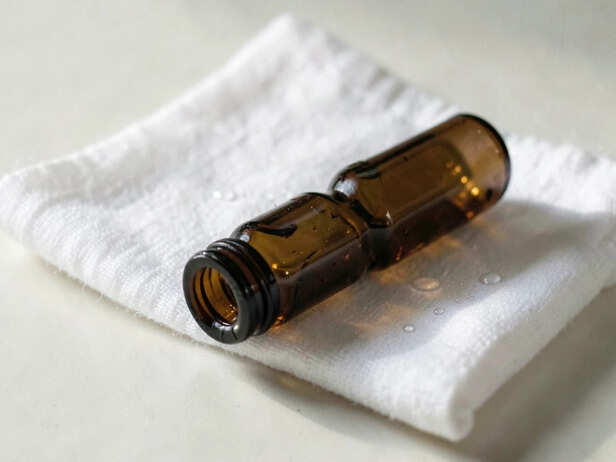
![Amber bottle, damp cotton]()
Amber bottle, damp cotton
Image credit : MyLifeXP Bureau
The stratum corneum holds onto water through two mechanisms. The first is the lipid matrix described above, which acts as a physical seal and slows water loss through the surface. The second is a group of compounds called natural moisturising factors, amino acids, urea, lactic acid, and similar molecules that sit inside the skin cells and draw water in from the surrounding tissue. Both of these are maintained by the skin itself, not topped up from a glass.
When that lipid matrix is damaged, by harsh cleansers, over-washing, very hot water, or dry air, water escapes through the surface faster than the lower layers can replace it. This is called transepidermal water loss, and it is the actual cause of the tight, flaky, dull-looking skin most people are trying to fix when they reach for another glass. The fix for transepidermal water loss is not more water from the inside. It is reducing what strips the barrier and replacing what seals it.
Humectants, ingredients like glycerin and hyaluronic acid, draw water from the lower layers of the skin and from the air into the stratum corneum. Occlusives, petrolatum, plant butters, heavier oils, sit on top and slow the escape. Applied to damp skin, they trap the moisture already there. This is the mechanism that actually moves skin hydration, and it works from the outside in.
Why the Myth Persists
Part of it is that drinking enough water does matter for overall health, and overall health has some relationship to how skin looks over years. Chronic illness, poor nutrition, and severe dehydration all eventually show in skin. But the relationship is slow, indirect, and operates at the margins of appearance for most people who are already basically healthy.
Part of it is that people who start drinking more water often make other changes at the same time: they eat more vegetables, they sleep more consistently, they move more. When skin improves, the water gets the credit because it is the most visible change. The actual drivers are harder to isolate.
And part of it is that the advice is easy to give and impossible to disprove in the short term. Nobody can run a controlled trial on themselves. If skin improves, the water worked. If it doesn't, they didn't drink enough.
What Is Worth Doing Instead
A gentle cleanser that does not strip the skin's lipid layer does more for hydration than any increase in water intake. Washing with very hot water dissolves the oils that hold the stratum corneum together; cooler water and a mild formula preserve them.
Applying a moisturiser to skin that is still slightly damp after washing traps water in the surface layer. The order matters: humectant first, then occlusive on top if the skin is very dry or the air is very dry. In humid months, a lighter humectant alone is often enough. In dry air, the occlusive layer becomes necessary because there is less ambient moisture for the humectant to draw from.
Sunscreen, used consistently, prevents the kind of barrier damage that makes skin lose water faster. UV exposure degrades the lipids in the stratum corneum over time. A barrier that has taken years of sun damage holds moisture less efficiently than one that hasn't, and no amount of water corrects that from the inside.
Staying ordinarily hydrated, enough to not be thirsty, enough to keep urine a light colour, is worth doing for every reason that has nothing to do with skin. Beyond that point, the glass of water is not doing what the beauty aisle has long suggested it does.
The skin's surface is not a sponge waiting to be filled from below. It is a seal, maintained by its own chemistry, repaired from the outside. Understanding that changes which products are worth reaching for, and which advice is worth skipping.
Unlock insightful tips and inspiration on personal growth, productivity, and well-being. Stay motivated and updated with the latest at
My Life XP.