Neem sits in a strange position in Indian skincare: ancient enough to feel authoritative, common enough to feel safe, and talked about in terms so confident that most people assume the science caught up with the tradition long ago. Some of it has. Some of it has not, and the gap between the two is worth knowing before you rub a leaf paste on your face and wait for results that may not arrive.
What Neem Contains That Actually Matters for Skin
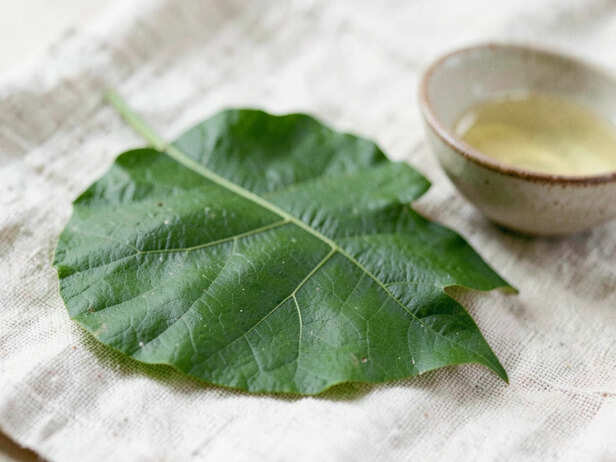
![Neem Leaves and Oil]()
Neem Leaves and Oil
Image credit : MyLifeXP Bureau
Neem leaves, seed oil, and bark all contain compounds that researchers have studied with genuine interest. The ones that show up most consistently in the literature are nimbidin and nimbin, which are terpenoids with demonstrated antibacterial and anti-inflammatory activity in laboratory settings. Neem oil also contains azadirachtin, fatty acids including oleic and linoleic acid, and vitamin E in small amounts.
The antibacterial activity is real and reasonably well-documented. In controlled conditions, neem extracts inhibit the growth of several bacterial strains, including Staphylococcus aureus, which is relevant to skin because it is involved in some forms of acne and in secondary infections on broken skin. This is not a marginal finding, it has been replicated across multiple studies, and it is the part of neem's reputation that the evidence supports most clearly.
The anti-inflammatory activity is also supported, though the studies are mostly in vitro, meaning they were conducted on cells in a dish rather than on human skin in real conditions. What happens in a dish does not always translate to what happens when a compound is applied topically, where absorption, concentration, and skin barrier function all intervene.
Where Neem Genuinely Earns Its Place
For oily and acne-prone skin, diluted neem oil or a neem-based formulation has a reasonable case behind it. The antibacterial action against acne-associated bacteria, combined with the fatty acids that do not clog pores in the way heavier oils might, makes it a sensible ingredient in a cleanser or a light serum. It is not a replacement for established acne treatments, but as a supporting ingredient it is not wishful thinking either.
As an antifungal, neem also has a credible record. Several studies have shown activity against Candida species and dermatophytes, the fungi responsible for conditions like ringworm and athlete's foot. This is relevant for scalp use, where fungal overgrowth plays a role in dandruff, and it is one of the reasons neem appears in medicated shampoos. The concentrations used in those products matter, a homemade neem rinse is unlikely to reach the levels tested in research.
Wound healing is another area where the evidence is cautiously positive. Neem extracts have shown some ability to support the early stages of wound repair in animal studies, likely through a combination of antibacterial protection and the fatty acid content. Whether this translates meaningfully to everyday skin use in healthy people is a different question.
Where the Reputation Has Outrun the Evidence
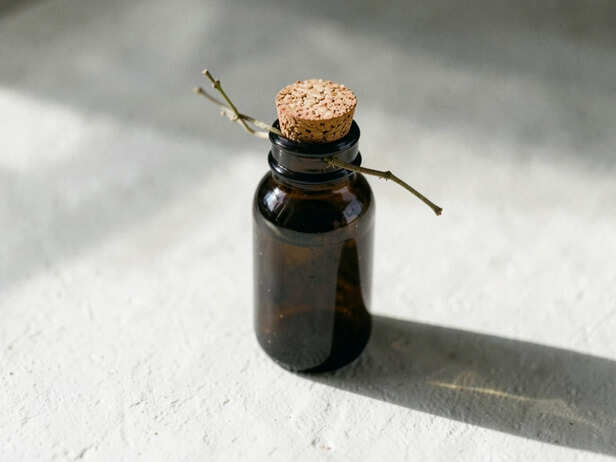
![Neem's Morning Stillness]()
Neem's Morning Stillness
Image credit : MyLifeXP Bureau
The claims that go furthest beyond the evidence tend to cluster around three ideas: that neem reverses ageing, that it treats hyperpigmentation, and that it cures acne rather than supporting its management.
On ageing, neem is sometimes described as boosting collagen or reducing fine lines. There is no strong clinical evidence for this in topical application. The vitamin E content is real but modest, and vitamin E's role in anti-ageing is itself more complicated than its popular reputation suggests. Neem is not a retinoid, and it does not behave like one.
On hyperpigmentation, the claim rests partly on neem's supposed ability to inhibit melanin production. There are in vitro studies showing some inhibitory effect on the enzyme tyrosinase, which is involved in melanin synthesis. But the concentrations required, and whether topical application delivers those concentrations to the relevant skin layer, are questions the research has not answered cleanly. Comparing neem to ingredients like niacinamide or alpha-arbutin, which have robust clinical evidence for pigmentation, puts it at a significant disadvantage.
The acne cure framing is perhaps the most common overstatement. Neem can help manage the bacterial environment on oily skin and reduce inflammation at the surface. It cannot address the hormonal drivers of acne, the sebum regulation that sits at the root of most persistent breakouts, or the comedone formation that starts before bacteria are even involved. Treating it as a cure leads people to skip interventions that would actually work.
How to Use It Without Expecting Too Much
Neem oil is potent enough that applying it undiluted to the face is a reliable way to cause irritation. It should be diluted in a carrier oil, a few drops in jojoba or sweet almond oil, before any facial use. Patch testing matters here more than with gentler ingredients because reactions, while not common, do occur.
Neem has a strong, distinctive smell that many people find difficult. Formulated products, cleansers, toners, spot treatments, typically process the extract in ways that reduce both the smell and the irritation risk, which is one genuine advantage of a well-made product over a DIY approach.
For scalp use, neem oil diluted in a carrier and applied before washing is a reasonable approach for dandruff-prone scalps, with the expectation that it may reduce flaking rather than eliminate it. For body skin with fungal concerns, it is worth trying but not worth delaying a pharmacy antifungal for.
Where neem fits well is as one ingredient among several in a considered routine, not as a single-ingredient solution to a complex skin concern. The tradition that built its reputation was using it alongside other plants, other practices, and an understanding that consistency mattered more than any single remedy.
The honest version of neem's story is that it is a useful ingredient with genuine antibacterial and anti-inflammatory properties, a reasonable role in oily and acne-prone skincare, and a reputation that has been stretched by the wellness industry well past what the clinical evidence supports. Using it with accurate expectations is not a smaller thing than believing the larger claims, it is just more likely to actually help.
Unlock insightful tips and inspiration on personal growth, productivity, and well-being. Stay motivated and updated with the latest at
My Life XP.