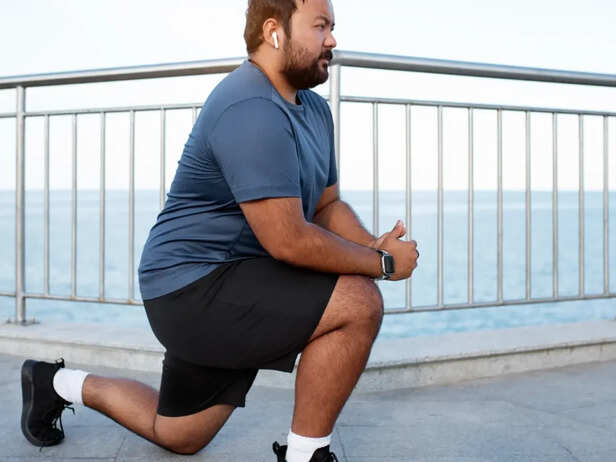
The moment you step out of the heat, your body is still working. Skin stays flushed, the heart keeps pumping faster than usual, and sweat continues for several minutes even in a cooler room. This is not a malfunction, it is the tail end of a process that started the moment your core temperature began to climb. How you handle the next thirty to sixty minutes shapes how quickly you feel like yourself again.
What Your Body Is Actually Doing When It Overheats
![Outdoor Exercise]()
Outdoor Exercise
Image credit : Freepik
When core temperature rises, the body redirects blood toward the skin so heat can escape through the surface. Sweat glands ramp up production, and as sweat evaporates, it carries heat away with it. This is efficient, but it costs the body water and electrolytes, mainly sodium, with smaller amounts of potassium and magnesium, that leave with every drop of sweat. By the time you feel thirsty after a hot afternoon, you have usually already lost more fluid than thirst alone will prompt you to replace. The fatigue, the mild headache, the slightly heavy feeling in the legs: these are the body asking for what it spent.
Why Blasting Cold Air or Ice Water Slows You Down
The instinct after heat exposure is to go straight for the coldest thing available, a glass of ice water, a cold shower, an air-conditioned room set to its lowest setting. Cold water and a cool room are both fine. The problem is the extreme version of each. Drinking very cold water quickly on a hot, working stomach can cause cramping. A cold shower that sends a shock through already-stressed skin can cause blood vessels near the surface to constrict suddenly, which briefly traps heat inside rather than releasing it. The body recovers more smoothly when the cooling is gradual: a room that is cool rather than cold, water that is cool or room temperature rather than iced, a shower that starts lukewarm and moves cooler over a few minutes.
What to Drink, and How Much
![Your Daily Water Actually Comes From Food and Drinks]()
Your Daily Water Actually Comes From Food and Drinks
Image credit : Freepik
Plain water is the right starting point, but after significant sweating it is not the whole answer. Sodium is the electrolyte lost in the largest quantity through sweat, and replacing fluid without any sodium can dilute what remains in the bloodstream faster than the kidneys can adjust. This does not mean sports drinks are necessary for an ordinary hot afternoon, it means that eating something lightly salty alongside water, or drinking a homemade nimbu pani with a pinch of salt, does the job well. Coconut water is a reasonable option and contains potassium alongside some sodium, though its sodium content is lower than sweat loss typically requires for very heavy exposure. Avoid alcohol and caffeine in the first hour: both increase urine output and work against rehydration. Drink steadily over thirty to sixty minutes rather than all at once.
Where to Cool the Body Most Efficiently
Certain points on the body lose heat faster than others because blood vessels run close to the surface there. The wrists, the inside of the elbows, the back of the neck, and the temples are the most accessible. Running cool water over the wrists for a minute or two, or pressing a cool damp cloth to the back of the neck, moves heat out of circulating blood more quickly than sitting still in a cool room. This is the principle behind the old practice of a wet cloth on the forehead, not purely comfort, but a mild and genuine cooling mechanism. A cool foot soak works on the same logic and is particularly effective because the feet carry a dense network of surface vessels.
Rest Is Part of the Recovery, Not a Luxury
The cardiovascular effort of staying cool in the heat is real. The heart works harder to push blood to the skin, and that effort does not stop the moment you come indoors. Sitting or lying down for fifteen to twenty minutes after heat exposure lets the heart rate settle, gives the body time to redistribute blood from the skin back to the core, and allows the sweating response to wind down naturally. Eating a light meal during this window, something easy to digest, not a heavy or oily meal that asks the gut to work hard, supports recovery without adding metabolic load. Fruit with high water content, a bowl of curd rice, a thin dal with roti: these give the body fluid, some electrolytes, and easy carbohydrates without demanding much in return.
Signs That Recovery Is Not Happening Normally
Most people feel noticeably better within thirty to forty-five minutes of coming indoors, rehydrating, and resting. If that window passes and you still feel confused, cannot stop shivering despite the heat, have stopped sweating entirely while still feeling very hot, or feel nauseated and cannot keep fluids down, those are reasons to seek medical attention rather than wait it out. Heat exhaustion responds well to the steps above. Heat stroke, where the body's cooling system has effectively stopped working, does not, and it requires prompt care. The distinction matters: the absence of sweating in someone who has been heavily exposed to heat and still feels very hot is a signal worth acting on quickly.
Cooling down after heat exposure is less about the single dramatic gesture, the cold shower, the iced drink, and more about giving the body the gradual, steady conditions it needs to finish what it started. Fluid with a little salt, a cool rather than cold environment, rest, and a few minutes of active surface cooling at the wrists or neck: these work together in the same direction the body is already moving, rather than against it.
Experiencing frequent stress, fatigue, or health challenges? Your name energy may be worth exploring. Check it here. Unlock insightful tips and inspiration on personal growth, productivity, and well-being. Stay motivated and updated with the latest at
My Life XP.