Pistachios: Tiny Nuts, Powerful Hormone Harmony
Srota Swati Tripathy | MyLifeXP Bureau | Tue, 23 Dec 2025
This article explains how pistachios support hormone balance through vitamin B6, healthy fats, magnesium, and gut-friendly nutrients. By reducing stress, stabilising blood sugar, and improving mood, pistachios help regulate hormonal fluctuations naturally and gently. A small daily handful can support long-term hormonal harmony and emotional wellbeing.

Pistachios
Image credit : Freepik
Hormonal imbalance doesn’t always arrive with a diagnosis. Sometimes it shows up quietly as mood swings, irregular periods, fatigue, weight fluctuations, poor sleep, or unexplained anxiety. While many turn to supplements or medications, nature offers a gentle, food-based solution: pistachios. These vibrant green nuts are more than a snack; they support hormonal harmony by nourishing the glands, calming the nervous system, and stabilising blood sugar levels.
![Hormone balance]() Hormones work best when the body has the right nutrients. Pistachios provide a powerful mix that directly supports hormonal regulation.
Hormones work best when the body has the right nutrients. Pistachios provide a powerful mix that directly supports hormonal regulation.
Vitamin B6 – The Hormone Regulator
Pistachios are rich in Vitamin B6, a key nutrient involved in hormone production and neurotransmitter balance. B6 helps:
Healthy Fats for Hormone Production
Hormones are made from fats. Pistachios supply healthy monounsaturated and polyunsaturated fats that:
![Pistachios as a Balancing Shield]() One of the biggest disruptors of hormones today is stress combined with unstable blood sugar. Pistachios address both.
One of the biggest disruptors of hormones today is stress combined with unstable blood sugar. Pistachios address both.
Magnesium for Stress Control
Pistachios contain magnesium, which helps regulate cortisol the stress hormone. When cortisol stays high, it interferes with reproductive and thyroid hormones. Magnesium calms the nervous system, creating a hormone-friendly environment.
Blood Sugar Stability
Sudden blood sugar spikes lead to insulin imbalance, which can disrupt hormones, especially in conditions like PCOS. Pistachios have:
Gut-Hormone Connection
Hormones and gut health are closely linked. Pistachios act as prebiotics, feeding good gut bacteria. A healthy gut improves estrogen metabolism and reduces hormonal toxicity in the body.
How to Eat Pistachios for Hormone Balance
Hormonal balance doesn’t always require complicated treatments. Sometimes, it begins with mindful nutrition. Pistachios quietly support hormone production, reduce stress impact, stabilise blood sugar, and improve mood. Adding a small handful of pistachios to your daily routine is a simple, delicious step toward inner balance, steady energy, and emotional wellbeing.
1. Hormone-Friendly Nutrition: How Pistachios Support Internal Balance
Hormone balance
Image credit : Freepik
Vitamin B6 – The Hormone Regulator
Pistachios are rich in Vitamin B6, a key nutrient involved in hormone production and neurotransmitter balance. B6 helps:
- Regulate estrogen and progesterone levels
- Reduce PMS symptoms like bloating and irritability
- Improve mood and emotional stability
- Support serotonin production
Healthy Fats for Hormone Production
Hormones are made from fats. Pistachios supply healthy monounsaturated and polyunsaturated fats that:
- Support adrenal and reproductive hormone synthesis
- Prevent sudden hormone spikes or crashes
- Improve cell communication
2. Stress, Sugar & Hormones: Pistachios as a Balancing Shield
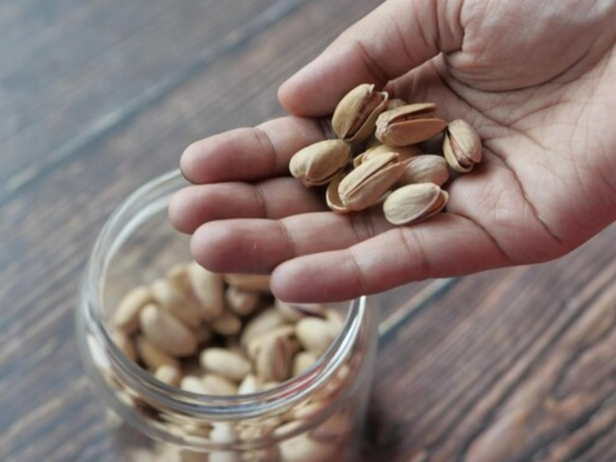
Pistachios as a Balancing Shield
Image credit : Freepik
Magnesium for Stress Control
Pistachios contain magnesium, which helps regulate cortisol the stress hormone. When cortisol stays high, it interferes with reproductive and thyroid hormones. Magnesium calms the nervous system, creating a hormone-friendly environment.
Blood Sugar Stability
Sudden blood sugar spikes lead to insulin imbalance, which can disrupt hormones, especially in conditions like PCOS. Pistachios have:
- High protein
- Good fats
- Low glycaemic impact
Gut-Hormone Connection
Hormones and gut health are closely linked. Pistachios act as prebiotics, feeding good gut bacteria. A healthy gut improves estrogen metabolism and reduces hormonal toxicity in the body.
How to Eat Pistachios for Hormone Balance
- A handful (20–30 pistachios) daily
- Best eaten mid-morning or evening
- Choose unsalted, raw, or lightly roasted
- Pair with fruits or yogurt for better absorption
- Consistency over time is key.
- Those with nut allergies
- People on low-calorie diets (portion control matters)
- Those with kidney issues should consult a doctor