What Every Parent Gets Wrong and How to Fix It
Rangnai Tara | Aug 07, 2026, 21:13 IST
Parenting does not come with a guidebook, and every parent makes mistakes along the way. The good news is that most parenting challenges can be improved with patience, understanding, and small changes in daily habits. This article explores common parenting mistakes, explains why they happen, and shares practical ways to avoid them while building a stronger and healthier relationship with your child.

Common Parenting Mistakes and How to Avoid Them
Image credit : Pexels
Parenting is one of the most rewarding experiences in life, but it can also be one of the most challenging. Every child is different, and there is no single parenting style that works for every family. Even the most caring parents make mistakes because raising children involves constant learning and adjustment.
The important thing to remember is that mistakes do not define your parenting. What truly matters is recognizing them, learning from them, and making positive changes. Small improvements in the way parents communicate, discipline, and support their children can make a lasting difference in a child's emotional and mental growth.
Here are some of the most common parenting mistakes and simple ways to avoid them.
Many parents have high expectations for their children. They want them to perform well in school, behave politely, and succeed in different activities. While encouraging children to do their best is healthy, expecting perfection can create unnecessary pressure.
Children who constantly feel they must be perfect may become anxious or afraid of making mistakes. They may avoid trying new things because they fear failure.
Instead of focusing only on results, praise effort, progress, and determination. Celebrate small achievements and remind children that making mistakes is a natural part of learning.
It is easy to compare children with classmates, siblings, or relatives. Parents may think comparisons motivate children, but they often have the opposite effect.
Hearing statements like, "Your cousin always gets better grades," can lower a child's confidence and create feelings of resentment.
Every child develops at a different pace. Focus on your child's strengths and encourage personal growth rather than competition with others.
![Not Listening Enough]()
Parents often spend time giving advice, correcting behavior, or solving problems. Sometimes, they forget to simply listen.
When children feel unheard, they may stop sharing their thoughts and emotions. This can weaken trust over time.
Make eye contact, put away distractions, and let your child finish speaking before responding. Even if their concerns seem small, showing genuine interest helps them feel valued and understood.
Discipline is important, but harsh punishment without explanation can create fear instead of understanding.
Children learn better when parents explain why certain behaviors are unacceptable and guide them toward better choices.
Set clear rules, stay consistent, and use consequences that are fair and related to the behavior. Positive reinforcement can often be more effective than constant punishment.
Children need routines and clear expectations. When rules change from one day to another, they become confused about what is acceptable.
For example, allowing extra screen time one day and punishing the same behavior the next can send mixed messages.
Create simple family rules and apply them consistently. Consistency helps children feel secure and understand boundaries.
Parents naturally want to protect their children from disappointment and failure. However, solving every problem can prevent children from developing independence.
If parents always complete homework, settle every disagreement, or make every decision, children may struggle to handle challenges on their own later in life.
Offer guidance instead of taking over. Encourage children to think about possible solutions and let them learn from their experiences.
Children need emotional support just as much as they need food, education, and shelter.
Sometimes parents become so busy with work and daily responsibilities that they overlook emotional struggles. A child who seems angry or quiet may actually be feeling anxious, lonely, or overwhelmed.
Spend quality time together every day, even if it is only for a few minutes. Ask open-ended questions and let your child know their feelings matter.
![Overusing Screens as a Babysitter]()
Phones, tablets, and television can be helpful in moderation, but relying on screens to keep children occupied for long periods may affect their social skills, physical activity, and sleep.
Encourage a healthy balance by setting screen time limits and introducing activities like reading, outdoor play, drawing, puzzles, or family games.
Children benefit greatly from face-to-face conversations and hands-on experiences.
![Not Leading by Example]()
Children learn more from what parents do than from what they say.
If parents expect honesty but often tell small lies, or ask children to stay calm while frequently losing their own temper, children notice these actions.
Practice the values you want your child to develop. Showing kindness, patience, respect, and responsibility teaches powerful lessons every day.
Parents often notice mistakes more quickly than positive behavior.
When children only receive attention after doing something wrong, they may feel discouraged.
Notice and appreciate good behavior. Simple words like, "I'm proud of how you helped your sister," or "Thank you for cleaning your room without being asked," encourage children to repeat those positive actions.
As children grow older, they need opportunities to make age-appropriate choices.
Parents who control every detail of their child's life may unintentionally limit confidence and decision-making skills.
Allow children to make small choices, such as selecting their clothes, choosing a hobby, or deciding how to organize their study time. These experiences help them become more responsible and independent.
Some children are naturally outgoing, while others are quiet and thoughtful. Some enjoy sports, while others prefer books, music, or art.
Trying to fit every child into the same expectations can lead to frustration for both parents and children.
Take time to understand your child's unique personality, interests, and learning style. Supporting who they truly are helps them grow into confident individuals.
Strong communication is one of the foundations of healthy parenting.
Create an environment where children feel safe asking questions and expressing their opinions without fear of harsh judgment.
Regular family conversations during meals, walks, or bedtime can strengthen trust and encourage children to share their experiences openly.
Listening with patience often solves problems before they become bigger.
No parent gets everything right all the time. Parenting is a journey filled with learning, adjustments, and new experiences. Every stage of childhood brings different challenges, and every family finds its own way of handling them.
The goal is not to become a perfect parent but to become a caring, supportive, and understanding one. Small changes like listening more carefully, encouraging independence, showing appreciation, and spending meaningful time together can strengthen family relationships for years to come.
Children do not need perfect parents. They need parents who love them, support them, admit when they make mistakes, and continue growing alongside them. These everyday efforts create a home where children feel safe, respected, and confident enough to become their best selves.
Experiencing stress or misunderstandings in your relationship with your child? Your name energy may play a role. Check your name energy here.
Unlock insightful tips and inspiration on personal growth, productivity, and well-being. Stay motivated and updated with the latest atMy Life XP.
The important thing to remember is that mistakes do not define your parenting. What truly matters is recognizing them, learning from them, and making positive changes. Small improvements in the way parents communicate, discipline, and support their children can make a lasting difference in a child's emotional and mental growth.
Here are some of the most common parenting mistakes and simple ways to avoid them.
Expecting Perfection
Many parents have high expectations for their children. They want them to perform well in school, behave politely, and succeed in different activities. While encouraging children to do their best is healthy, expecting perfection can create unnecessary pressure.
Children who constantly feel they must be perfect may become anxious or afraid of making mistakes. They may avoid trying new things because they fear failure.
Instead of focusing only on results, praise effort, progress, and determination. Celebrate small achievements and remind children that making mistakes is a natural part of learning.
Comparing Your Child to Others
It is easy to compare children with classmates, siblings, or relatives. Parents may think comparisons motivate children, but they often have the opposite effect.
Hearing statements like, "Your cousin always gets better grades," can lower a child's confidence and create feelings of resentment.
Every child develops at a different pace. Focus on your child's strengths and encourage personal growth rather than competition with others.
Not Listening Enough

Not Listening Enough
Image credit : Pexels
Parents often spend time giving advice, correcting behavior, or solving problems. Sometimes, they forget to simply listen.
When children feel unheard, they may stop sharing their thoughts and emotions. This can weaken trust over time.
Make eye contact, put away distractions, and let your child finish speaking before responding. Even if their concerns seem small, showing genuine interest helps them feel valued and understood.
Using Too Much Discipline and Too Little Guidance
Discipline is important, but harsh punishment without explanation can create fear instead of understanding.
Children learn better when parents explain why certain behaviors are unacceptable and guide them toward better choices.
Set clear rules, stay consistent, and use consequences that are fair and related to the behavior. Positive reinforcement can often be more effective than constant punishment.
Being Inconsistent
Children need routines and clear expectations. When rules change from one day to another, they become confused about what is acceptable.
For example, allowing extra screen time one day and punishing the same behavior the next can send mixed messages.
Create simple family rules and apply them consistently. Consistency helps children feel secure and understand boundaries.
Solving Every Problem for Your Child
Parents naturally want to protect their children from disappointment and failure. However, solving every problem can prevent children from developing independence.
If parents always complete homework, settle every disagreement, or make every decision, children may struggle to handle challenges on their own later in life.
Offer guidance instead of taking over. Encourage children to think about possible solutions and let them learn from their experiences.
Ignoring Emotional Needs
Children need emotional support just as much as they need food, education, and shelter.
Sometimes parents become so busy with work and daily responsibilities that they overlook emotional struggles. A child who seems angry or quiet may actually be feeling anxious, lonely, or overwhelmed.
Spend quality time together every day, even if it is only for a few minutes. Ask open-ended questions and let your child know their feelings matter.
Overusing Screens as a Babysitter

Overusing Screens as a Babysitter
Image credit : Pexels
Phones, tablets, and television can be helpful in moderation, but relying on screens to keep children occupied for long periods may affect their social skills, physical activity, and sleep.
Encourage a healthy balance by setting screen time limits and introducing activities like reading, outdoor play, drawing, puzzles, or family games.
Children benefit greatly from face-to-face conversations and hands-on experiences.
Not Leading by Example
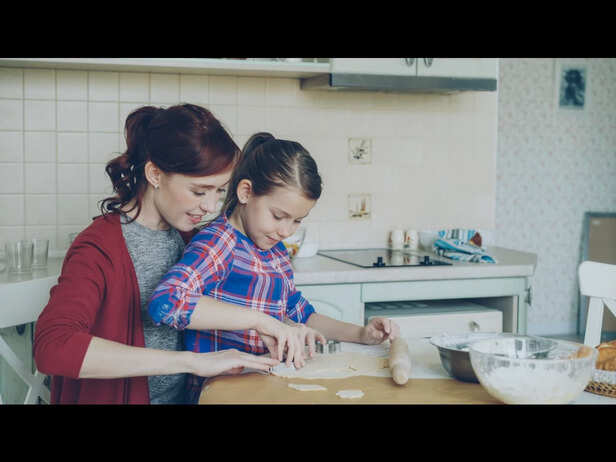
Not Leading by Example
Image credit : Pexels
Children learn more from what parents do than from what they say.
If parents expect honesty but often tell small lies, or ask children to stay calm while frequently losing their own temper, children notice these actions.
Practice the values you want your child to develop. Showing kindness, patience, respect, and responsibility teaches powerful lessons every day.
Forgetting to Praise Good Behavior
Parents often notice mistakes more quickly than positive behavior.
When children only receive attention after doing something wrong, they may feel discouraged.
Notice and appreciate good behavior. Simple words like, "I'm proud of how you helped your sister," or "Thank you for cleaning your room without being asked," encourage children to repeat those positive actions.
Trying to Control Every Decision
As children grow older, they need opportunities to make age-appropriate choices.
Parents who control every detail of their child's life may unintentionally limit confidence and decision-making skills.
Allow children to make small choices, such as selecting their clothes, choosing a hobby, or deciding how to organize their study time. These experiences help them become more responsible and independent.
Forgetting That Every Child Is Different
Some children are naturally outgoing, while others are quiet and thoughtful. Some enjoy sports, while others prefer books, music, or art.
Trying to fit every child into the same expectations can lead to frustration for both parents and children.
Take time to understand your child's unique personality, interests, and learning style. Supporting who they truly are helps them grow into confident individuals.
The Importance of Open Communication
Strong communication is one of the foundations of healthy parenting.
Create an environment where children feel safe asking questions and expressing their opinions without fear of harsh judgment.
Regular family conversations during meals, walks, or bedtime can strengthen trust and encourage children to share their experiences openly.
Listening with patience often solves problems before they become bigger.
Growing Together as a Family
No parent gets everything right all the time. Parenting is a journey filled with learning, adjustments, and new experiences. Every stage of childhood brings different challenges, and every family finds its own way of handling them.
The goal is not to become a perfect parent but to become a caring, supportive, and understanding one. Small changes like listening more carefully, encouraging independence, showing appreciation, and spending meaningful time together can strengthen family relationships for years to come.
Children do not need perfect parents. They need parents who love them, support them, admit when they make mistakes, and continue growing alongside them. These everyday efforts create a home where children feel safe, respected, and confident enough to become their best selves.
Experiencing stress or misunderstandings in your relationship with your child? Your name energy may play a role. Check your name energy here.
Unlock insightful tips and inspiration on personal growth, productivity, and well-being. Stay motivated and updated with the latest atMy Life XP.