You ask the same question every afternoon and you get the same answer. Fine. Sometimes good. Sometimes nothing at all. It does not mean your child had a forgettable day. It usually means they had a full one, and the question arrived before they were ready to talk about it.
There is a gap between what happened at school and what a child can say about it the moment they walk in. That gap is not evasion. It is how the brain handles a day that has asked a lot of it.
Fine Is Not an Answer, It Is a Placeholder
![.Lingering Afternoon Light]()
.Lingering Afternoon Light
Image credit : Pexels
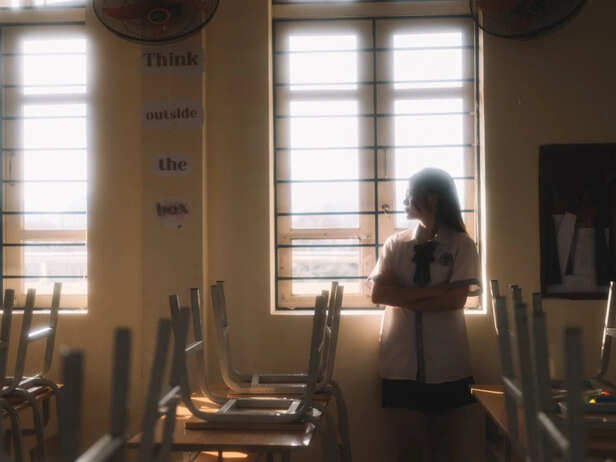
Fine means: I am not ready to sort through this yet. A school day runs eight hours, involves thirty or more people, and asks a child to manage attention, social dynamics, instructions, and their own feelings all at once. By the time they reach you, the processing is still running in the background. Fine holds the space until it finishes.
Younger children often cannot name what they are feeling even when they want to. The feeling is real; the vocabulary is not there yet. Older children can name feelings but are starting to decide which ones belong to you and which ones belong to them. Fine is sometimes the first move in that negotiation.
Neither of these is a problem to fix. Both are things to understand.
Why the Question Itself Gets in the Way
![Question Itself Gets in the Way]()
Question Itself Gets in the Way
Image credit : Pexels
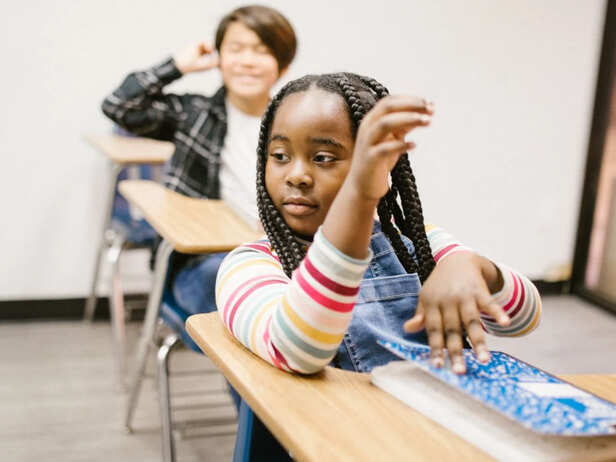
How was school is the hardest question to answer well. It asks a child to summarise, evaluate, and report on eight hours in one breath. Adults struggle with the same question after a long day at work. The honest answer is too long, too mixed, or too hard to start.
The question also arrives at the wrong moment. The walk from the school gate to the car, the first minutes at home, this is decompression time. A child who has been performing all day, sitting still, being polite, concentrating, needs a few minutes of not performing before they can talk. The question, however warmly asked, is another performance request.
This is not a reason to stop asking. It is a reason to ask differently, and later.
What the Word Is Actually Carrying
Fine can mean several different things depending on what else you notice.
Fine said while dropping the bag and heading straight for a snack is usually exactly what it sounds like: the day was unremarkable and hunger is the priority. Fine said quietly, with a body that has gone still, is carrying something heavier. Fine said with a flash of irritation before the child disappears into their room is often the sound of a child who had a hard day and does not yet know how to say so.
You learn to read which fine it is not by asking more questions but by watching what happens around the word. The bag dropped or held. The shoulders. Whether they look for you or look away. These carry more than the word does.
What Works Better Than Asking Again
The most reliable way to get a real answer is to stop asking for one. Sit near them while they eat. Drive without the radio. Be present without a question attached. Children talk when they feel the conversation is not waiting for them to perform.
When you do speak, the questions that open things up are specific and small. Not how was your day but did anything make you laugh today. Not did anything bad happen but was there a moment that felt long. Small, concrete, and genuinely curious, not a prompt toward a particular answer.
Sharing something from your own day first also helps. Not a lesson about resilience, just a real thing that happened to you, including something that was a little hard or a little funny. It shows the child what talking about a day actually looks like, and it takes the pressure off them to go first.
When Fine Stops Being Fine
Most fine days are fine. But a stretch of fine, two weeks where every answer is the same word, where appetite changes, where sleep shifts, where a child who used to mention friends stops mentioning them, is worth paying attention to.
The signal is not the word. It is the pattern around the word. A child who is struggling rarely announces it directly. They show it in the edges: the reluctance on Sunday evenings, the stomach aches that appear on school mornings, the way they talk about one particular person less and less.
When you notice a pattern, the response is not a direct question about what is wrong. It is more time together doing something low-stakes, a walk, a drive, a task you do side by side. Children often talk when their hands are busy and their face does not have to be watched.
If a pattern persists and you remain concerned, a conversation with the class teacher is a reasonable first step. Teachers see a child for hours each day and often notice things that do not come home in words.
The Conversation That Happens Without Words
A child who says fine and finds you still there, not pushing, not disappointed, not filling the silence with another question, learns something. They learn that coming home does not require a report. That you are interested but not demanding. That the door stays open even when they do not walk through it immediately.
That is the thing fine is testing, most of the time. Not whether you will ask again. Whether you will still be there when they are ready to say something else.
Fine is the beginning of the conversation, not the end of it. The children who eventually say everything are usually the ones who were allowed, for a while, to say nothing.
Experiencing stress or misunderstandings in your relationship with your child? Your name energy may play a role. Check your name energy here. Unlock insightful tips and inspiration on personal growth, productivity, and well-being. Stay motivated and updated with the latest at
My Life XP.