Mistakes Parents Make Without Realizing
Shashank Purohit | Feb 25, 2026, 14:00 IST
Love, concern, and the desire to provide a better life for children are the cornerstones of parenting. However, even the most well intentioned parents frequently make mistakes without being aware of them. Seldom are these errors deliberate. They typically result from societal pressure, stress, anxiety, or the repetition of habits passed down from earlier generations. The piece explores four typical parenting errors that many parents do without realizing it, how these errors impact kids' emotional and mental development, and why raising awareness is the first step to better parenting.

When Children Feel Unheard
Image credit : CHATGPT(AI)
No parent intentionally causes harm to their child. The majority of parents sincerely hope that their kids will succeed, be content, and have self confidence. However, there is no the blueprint for parenting, and parents' actions are frequently influenced by external factors. Stress at work, financial obligations, social pressures, and personal hardships can all gradually mold parenting styles in ways that parents might not even be aware of.
Neglect or a lack of affection are not the cause of many parenting errors. They have to do with poor communication, emotional detachment, irrational expectations, or control passed off as compassion. These errors might not seem like much at first, but they can have a significant effect on a child's emotional growth, sense of security, and self worth over time.
![When Emotions Are Dismissed]()
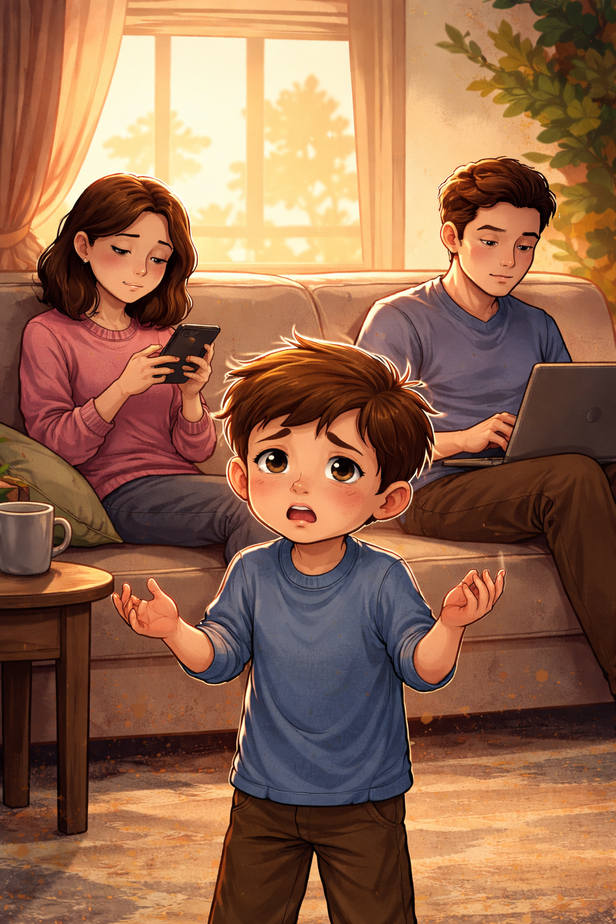
Not paying attention to kids is one of the most frequent parenting errors. Although parents frequently listen to their kids, they don't always do it with empathy and focus. Children's emotions and thoughts are sometimes written off as immature, fanciful, or insignificant in the midst of hectic daily routines. When a youngster discloses anything, parents may cut them off, offer brief guidance, or draw comparisons between the issue and their own challenges. Even though this is typically accidental, it conveys the idea that the child's feelings are not real. Children gradually stop expressing themselves when they are not heard. They learn to control their emotions or deal with issues on their own. This can eventually result in low self confidence, poor communication, and emotional distancing.
Many parents think that encouraging their kids to succeed is a sign of good parenting. Particularly in a world where competition is fierce, academic accomplishment, competition, and performance frequently take center stage. Parents may unknowingly start associating approval and affection with outcomes. When a youngster does well, they receive praise; when they don't, they receive disappointment. The child feels pressured and afraid of failing as a result. Children that experience constant pressure may grow up to be nervous, meticulous, or hesitant to attempt new things. They could come to feel that their value is based solely on their accomplishments rather than their unique characteristics.
![When Emotions Are Dismissed]()
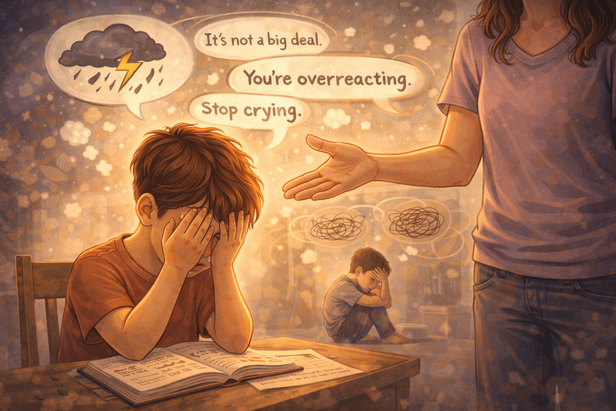
Sayings like "It's not a big deal," "Stop crying," or "You are overreacting" are frequently used by parents to try to soothe their kids. Despite the fact that these words are typically intended to be consoling, they frequently have the opposite impact. Children learn that some emotions are incorrect or inappropriate when emotions are invalidated. Children learn to conceal their feelings rather than how to analyze them. Later in life, this may result in emotional perplexity and trouble communicating emotions.
Even though the causes may appear little to adults, children feel strong emotions. A youngster may find something that is insignificant to a parent to be overwhelming. Children feel alone and misunderstood when emotions are ignored.
Care is easily confused with overprotection. Parents desire to shield their kids from suffering, disappointment, and failure. However, a child's development may be constrained by excessive control and persistent meddling. Children lose out on valuable life lessons when parents make all of the decisions for them, handle all of their problems, or shield them from difficulties. They might have trouble being independent, making decisions, and being confident. Because they have never been given the opportunity to experience failure, overprotected youngsters frequently fear it. They might start to rely on other people for direction and comfort. Children may make age appropriate decisions, deal with effects, and grow from their mistakes when parents practice healthy parenting. Neglect is not the same as letting go. It entails having faith in your child's capacity to develop and learn.
Being a parent is a lifelong learning process. Errors are unavoidable, particularly when parents deal with obligations, demands, and personal difficulties. The most frequent parenting errors stem from ignorance rather than a lack of affection. Habits that develop gradually and unintentionally include being overly protective, invalidating feelings, not listening sufficiently, and placing pressure on accomplishment. Positive change begins with acknowledging these patterns.
Perfect parents are not necessary for children. They require parents who are willing, sympathetic, and emotionally present. Children can develop into self assured, emotionally stable adults in a secure atmosphere when parents prioritize awareness over control and connection over pressure.
Unlock insightful tips and inspiration on personal growth, productivity, and well-being. Stay motivated and updated with the latest at My Life XP.
Neglect or a lack of affection are not the cause of many parenting errors. They have to do with poor communication, emotional detachment, irrational expectations, or control passed off as compassion. These errors might not seem like much at first, but they can have a significant effect on a child's emotional growth, sense of security, and self worth over time.
Not Listening Enough to Their Children
When Emotions Are Dismissed
Image credit : CHATGPT(AI)
Not paying attention to kids is one of the most frequent parenting errors. Although parents frequently listen to their kids, they don't always do it with empathy and focus. Children's emotions and thoughts are sometimes written off as immature, fanciful, or insignificant in the midst of hectic daily routines. When a youngster discloses anything, parents may cut them off, offer brief guidance, or draw comparisons between the issue and their own challenges. Even though this is typically accidental, it conveys the idea that the child's feelings are not real. Children gradually stop expressing themselves when they are not heard. They learn to control their emotions or deal with issues on their own. This can eventually result in low self confidence, poor communication, and emotional distancing.
Putting Too Much Pressure on Achievement
Invalidating Children’s Emotions
When Emotions Are Dismissed
Image credit : CHATGPT(AI)
Sayings like "It's not a big deal," "Stop crying," or "You are overreacting" are frequently used by parents to try to soothe their kids. Despite the fact that these words are typically intended to be consoling, they frequently have the opposite impact. Children learn that some emotions are incorrect or inappropriate when emotions are invalidated. Children learn to conceal their feelings rather than how to analyze them. Later in life, this may result in emotional perplexity and trouble communicating emotions.
Even though the causes may appear little to adults, children feel strong emotions. A youngster may find something that is insignificant to a parent to be overwhelming. Children feel alone and misunderstood when emotions are ignored.
Being Overprotective Without Realizing It
Being a parent is a lifelong learning process. Errors are unavoidable, particularly when parents deal with obligations, demands, and personal difficulties. The most frequent parenting errors stem from ignorance rather than a lack of affection. Habits that develop gradually and unintentionally include being overly protective, invalidating feelings, not listening sufficiently, and placing pressure on accomplishment. Positive change begins with acknowledging these patterns.
Perfect parents are not necessary for children. They require parents who are willing, sympathetic, and emotionally present. Children can develop into self assured, emotionally stable adults in a secure atmosphere when parents prioritize awareness over control and connection over pressure.
Unlock insightful tips and inspiration on personal growth, productivity, and well-being. Stay motivated and updated with the latest at My Life XP.