The plate comes back from the kitchen looking perfectly reasonable. Dal in one corner, rice in the centre, a little sabzi to the side. Then the spoon accidentally nudges the dal into the rice, and the meal is over. Not paused, over. If this is your child, you are not alone, and you are not raising a difficult eater. You are raising a child whose nervous system is doing exactly what it is built to do at this age, just doing it very loudly at dinnertime.
What the Behaviour Actually Is
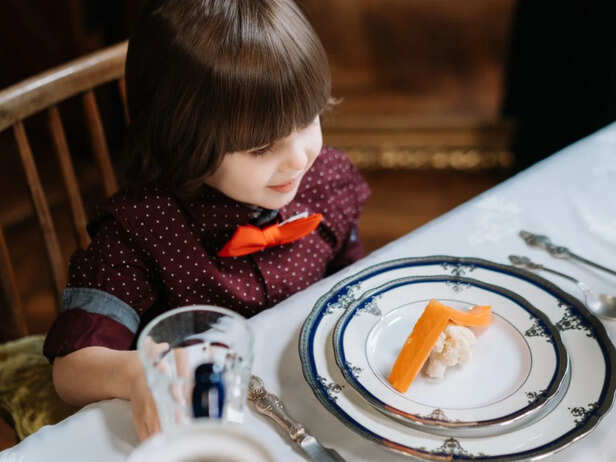
![. Food separation is key!]()
. Food separation is key!
Image credit : Pexels
The insistence that foods stay separate is called food neophobia when it involves new foods, but the touching aversion is its own thing, a sensitivity to mixed sensory input. Young children, particularly between the ages of two and seven, are still building the mental categories that help them make sense of the world. A meal where textures, temperatures, and flavours stay distinct is a meal they can predict and control. When foods merge, the sensory information becomes harder to sort. The child is not being theatrical. The discomfort is real, even if its scale looks disproportionate to an adult.
Why Some Children Feel It More Strongly Than Others
Sensory sensitivity varies across children the way colour vision varies, the range is wide and most of it is ordinary. Children who are more sensitive to texture, smell, or visual change tend to feel the touching aversion more acutely. This is common in children who also dislike tags in clothing, loud environments, or sudden changes in routine. It does not mean something is wrong. It means their threshold for sensory input is lower, and food, which involves smell, texture, temperature, taste, and appearance all at once, is a particularly loaded experience for them. Where the aversion is severe, persistent past age seven, and accompanied by significant distress at most meals, a conversation with a paediatrician is worth having. For most children, this is a phase with a natural arc.
What Tends to Make It Worse
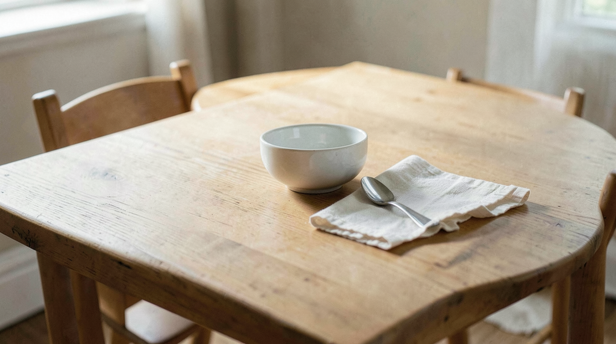
![Child's Meal Setting]()
Child's Meal Setting
Image credit : AI
Pressure at the table is the single most reliable way to extend the phase. When a child senses that the touching is a battleground, the meal becomes about control rather than food, and the sensitivity digs in. Commenting on the behaviour in front of others, comparing the child to siblings or cousins who eat without fuss, and making the child finish a plate that has already been contaminated by a stray spoonful, all of these raise the stakes without changing the outcome. The child does not learn to tolerate mixed food. They learn that mealtimes are stressful.
What Actually Helps
A divided plate is not a defeat. It is a piece of crockery. Giving a child a plate with sections removes the drama from the meal and lets everyone eat. The goal at the table is that the child eats, not that they eat from a particular kind of plate. Many children who use divided plates through early childhood grow out of the preference on their own, without ever being pushed. Alongside the practical fix, exposure without pressure works over time: putting a small amount of a mixed dish, a pulao, a khichdi, a curry with rice already in it, on the plate without requiring it to be eaten. The child sees it, smells it, ignores it, and eventually, across many meals and many months, becomes less alarmed by it. This is not a trick. It is how sensory tolerance builds.
The Meal Worth Having
A child who eats dal and rice from separate corners of a divided plate is eating dal and rice. That is the thing. The mixing is a texture preference, not a nutritional one, and the nutrition does not change based on whether the two foods are touching. Keeping this in proportion, treating it as a quirk to accommodate rather than a habit to break, tends to shorten the phase more reliably than any confrontation at the table does. The children who are pushed hardest to eat mixed food are often the ones still sorting their food at ten. The ones whose preference was quietly respected tend to relax it on their own.
Sensory preferences in childhood are not a parenting outcome. They are a developmental feature that varies from child to child, peaks in the early years, and softens with time and a table that feels safe. The divided plate is not the end of the story. It is just where the story is right now.
Experiencing stress or misunderstandings in your relationship with your child? Your name energy may play a role. Check your name energy here. Unlock insightful tips and inspiration on personal growth, productivity, and well-being. Stay motivated and updated with the latest at
My Life XP.