5 Harsh Lessons Marriage Teaches Indian Women
Noopur Kumari | May 25, 2026, 16:00 IST
Modern Indian women are breaking stereotypes, building careers, and becoming financially independent. Yet inside many homes, old expectations still survive behind polite smiles and family traditions. A viral conversation about marriage, in-laws, emotional neglect, and patriarchy triggered intense reactions online because it touched a nerve many women deeply understand. Some agreed completely. Others strongly disagreed. But one thing became clear the emotional pressure placed on daughters-in-law remains one of the least discussed realities in Indian society. Behind wedding celebrations often begins an invisible emotional negotiation that many women never expected.

Every Indian girl grows up hearing beautiful stories about marriage. She is told that love, respect, family, and belonging will naturally follow after the wedding. Movies romanticize it. Society glorifies it. Relatives celebrate it. But many women quietly discover another reality after entering married life a reality nobody openly prepares them for. Expectations become heavier than emotions. Sacrifices become routine. Silence becomes survival. And somewhere between adjusting, pleasing everyone, and protecting relationships, many women slowly lose parts of themselves.
![Bride Sitting Quietly After Wedding]()
In many Indian households, marriage changes a woman’s life far more dramatically than a man’s. A son usually continues living within familiar routines, surroundings, and emotional comfort. But a daughter leaves behind her home, habits, parents, and emotional safety to adjust inside a completely new environment. Suddenly, she is expected to understand traditions, relationships, responsibilities, and expectations instantly. The pressure to “fit in” begins immediately. Many women try endlessly to become the perfect daughter-in-law, but slowly realize perfection itself keeps changing depending on who is judging them. That emotional exhaustion often becomes invisible because society praises sacrifice more than honesty.
![Woman Managing Household Responsibilities]()
One painful reality many women discover after marriage is that emotional labor never truly ends. A daughter-in-law is often expected to maintain peace, manage relationships, handle responsibilities, and keep everyone emotionally satisfied sometimes at the cost of her own mental well-being. Even educated families unconsciously place these expectations on women. If conflicts happen, women are usually advised to adjust more, stay quieter, or sacrifice further. Over time, this creates emotional burnout. Many women begin feeling invisible because their efforts are noticed only when something goes wrong. Constant emotional giving without equal understanding slowly creates loneliness inside even crowded homes.
![Woman Sitting Alone In Emotional Stress]()
Many people believe patriarchy only exists in conservative or uneducated environments. But reality is often more complicated. Even highly educated families sometimes continue traditional gender expectations without realizing it. Women may be encouraged to study, work, and earn, yet still expected to carry the primary burden of emotional care, household duties, and family adjustments. What makes patriarchy harder to challenge is that women themselves sometimes defend these systems because they grew up normalizing them. This creates confusion for younger women trying to balance independence with family acceptance. The conflict is no longer only social it becomes deeply emotional and personal.
Despite social progress, divorce still carries heavy emotional stigma in many parts of India, especially for women. Many daughters grow up hearing that saving marriage is more important than protecting mental peace. As a result, countless women continue tolerating unhealthy situations out of fear of judgment, shame, or disappointing their parents. Some families worry more about “log kya kahenge” than their daughter’s emotional safety. This silent pressure traps many women between personal happiness and social expectations. The emotional cost becomes even heavier because women are often taught endurance from childhood, while emotional boundaries are rarely encouraged openly.
Today’s generation of women is beginning to ask uncomfortable but necessary questions about marriage, emotional respect, and individuality. Many no longer want relationships built only on sacrifice and silence. They want partnership, emotional safety, mutual respect, and equal accountability. This shift is creating tension between old traditions and modern expectations. Some families see these conversations as rebellion, while others see them as overdue honesty. The important change is that women are finally speaking openly about emotional exhaustion that previous generations silently endured. The goal is not destroying families — it is building healthier relationships where dignity, empathy, and individuality exist for everyone equally.
Marriage should never feel like the end of someone’s identity. It should not demand emotional disappearance in exchange for acceptance. The growing conversations around daughters-in-law, patriarchy, emotional labor, and family expectations reveal that many women are no longer willing to suffer silently behind perfect family photographs. Not every family is toxic. Not every marriage is unfair. But ignoring these emotional realities also helps nobody. Real change begins when society stops glorifying sacrifice alone and starts valuing emotional respect equally. Because a woman should not have to lose herself just to prove she can hold a family together.
Unlock insightful tips and inspiration on personal growth, productivity, and well-being. Stay motivated and updated with the latest at My Life XP.
1. Why do many women feel emotionally overwhelmed after marriage?
Many women experience major emotional and lifestyle changes after marriage, including adjusting to a new home, family expectations, responsibilities, and social pressures all at once.
2. Is emotional pressure on daughters-in-law common in India?
Yes, many women openly discuss feeling pressure to constantly adjust, maintain peace, and meet family expectations, especially within traditional family structures.
3. What is emotional labor in marriage?
Emotional labor refers to the invisible effort of managing relationships, handling family emotions, avoiding conflicts, and keeping everyone emotionally comfortable, often without recognition.
4. Does patriarchy still exist in educated families?
Patriarchy can exist in both educated and uneducated environments. Even modern families sometimes unconsciously expect women to sacrifice more emotionally and domestically.
5. Why do some women feel invisible after marriage?
Many women feel their efforts are only noticed when something goes wrong, while their daily sacrifices, emotional care, and responsibilities are often taken for granted
Marriage Changes Women More Than Men
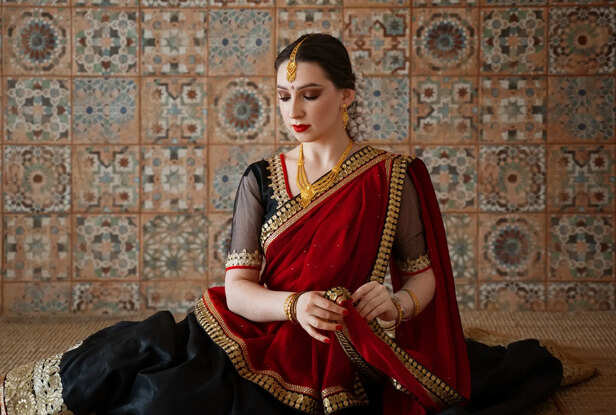
Bride Sitting Quietly After Wedding
In many Indian households, marriage changes a woman’s life far more dramatically than a man’s. A son usually continues living within familiar routines, surroundings, and emotional comfort. But a daughter leaves behind her home, habits, parents, and emotional safety to adjust inside a completely new environment. Suddenly, she is expected to understand traditions, relationships, responsibilities, and expectations instantly. The pressure to “fit in” begins immediately. Many women try endlessly to become the perfect daughter-in-law, but slowly realize perfection itself keeps changing depending on who is judging them. That emotional exhaustion often becomes invisible because society praises sacrifice more than honesty.
The Silent Pressure To Keep Everyone Happy

Woman Managing Household Responsibilities
One painful reality many women discover after marriage is that emotional labor never truly ends. A daughter-in-law is often expected to maintain peace, manage relationships, handle responsibilities, and keep everyone emotionally satisfied sometimes at the cost of her own mental well-being. Even educated families unconsciously place these expectations on women. If conflicts happen, women are usually advised to adjust more, stay quieter, or sacrifice further. Over time, this creates emotional burnout. Many women begin feeling invisible because their efforts are noticed only when something goes wrong. Constant emotional giving without equal understanding slowly creates loneliness inside even crowded homes.
Why Patriarchy Still Exists In Modern Homes

Woman Sitting Alone In Emotional Stress
Many people believe patriarchy only exists in conservative or uneducated environments. But reality is often more complicated. Even highly educated families sometimes continue traditional gender expectations without realizing it. Women may be encouraged to study, work, and earn, yet still expected to carry the primary burden of emotional care, household duties, and family adjustments. What makes patriarchy harder to challenge is that women themselves sometimes defend these systems because they grew up normalizing them. This creates confusion for younger women trying to balance independence with family acceptance. The conflict is no longer only social it becomes deeply emotional and personal.
The Fear Of Divorce Still Controls Many Women
The New Generation Is Asking Difficult Questions
Young Woman Speaking Confidently
Unlock insightful tips and inspiration on personal growth, productivity, and well-being. Stay motivated and updated with the latest at My Life XP.
Frequently Asked Questions (FAQs)
Many women experience major emotional and lifestyle changes after marriage, including adjusting to a new home, family expectations, responsibilities, and social pressures all at once.
2. Is emotional pressure on daughters-in-law common in India?
Yes, many women openly discuss feeling pressure to constantly adjust, maintain peace, and meet family expectations, especially within traditional family structures.
3. What is emotional labor in marriage?
Emotional labor refers to the invisible effort of managing relationships, handling family emotions, avoiding conflicts, and keeping everyone emotionally comfortable, often without recognition.
4. Does patriarchy still exist in educated families?
Patriarchy can exist in both educated and uneducated environments. Even modern families sometimes unconsciously expect women to sacrifice more emotionally and domestically.
5. Why do some women feel invisible after marriage?
Many women feel their efforts are only noticed when something goes wrong, while their daily sacrifices, emotional care, and responsibilities are often taken for granted