Are Your Ancestors Blessing You? The Pitru Paksha Secret
Noopur Kumari | Sept 24, 2026, 12:00 IST
What if Pitru Paksha is not only about performing a ritual on the correct day? What if it is also about understanding the people who came before us and deciding what we want to carry forward? From Pitru Tithi and Shraddha to remembering ancestors whose dates are unknown, there are several important things people often misunderstand about Pitru Paksha.

Pitru Paksha
Image credit : chatgpt(ai)
Pitru Paksha is often associated with Shraddha, Tarpan and rituals performed for departed family members. But there is a deeper question behind these traditions: What does it really mean to remember our ancestors?
Our identity, family stories, culture, language and even many of the values we carry today have travelled through generations. Pitru Paksha gives families a traditional space to pause, remember those who came before them and express gratitude.
It is not simply a period of rituals. For many people, it is also a time for remembrance, reflection, forgiveness and emotional closure.
![Family Remembering Their Ancestors]()
Pitru Paksha is traditionally observed as a period for honouring departed ancestors through practices such as Shraddha, Tarpan and offerings. The focus is not only on performing rituals but also on remembering the people who came before us. Our names, traditions, family stories, culture and values are often connected to previous generations. Ancestor worship therefore becomes an expression of gratitude for many families. Whether someone follows every ritual or simply takes time to remember their ancestors, the central idea remains remembrance and respect.
![Three Generations of a Family Together]()
One common misunderstanding is that Pitru refers only to male ancestors. In a broader family and spiritual context, remembrance can include departed mothers, grandmothers, sisters, daughters and other loved ones. The emotional bond created by a family does not disappear simply because someone is no longer physically present. Ancestor blessings are therefore not something that needs to be understood through gender alone. Pitru Paksha can be a time to remember every family member whose life, love, struggles or values became part of the family's story.
A major point people often miss is the difference between a regular calendar date and a Pitru Tithi. Traditional Shraddha observances are generally linked to the lunar tithi associated with an ancestor's death rather than simply repeating the same date every year. This can make the calculation confusing because the lunar calendar does not work exactly like the Gregorian calendar. Families who follow these traditions often check a Panchang or consult a knowledgeable priest to identify the appropriate Shraddha date.
Sometimes families do not know the exact death tithi of an ancestor, especially when the death occurred many years ago or records are unavailable. Traditional practice provides ways to honour such ancestors as well. Sarva Pitru Amavasya, the final Amavasya of Pitru Paksha, is traditionally associated with remembering ancestors whose Shraddha tithi is unknown or who could not be honoured on their specific day. If you are unsure, checking a reliable Panchang or asking a knowledgeable priest is better than guessing.
The deeper emotion behind Pitru Paksha rituals is gratitude. We may inherit far more than property or possessions from previous generations. We inherit names, languages, traditions, stories, habits and lessons that continue through our lives. Remembering ancestors can therefore become a moment to acknowledge that connection. The ritual may be traditional, but the feeling behind it can be deeply personal. Even when family histories are complicated, choosing to remember the good and acknowledge what was learned can help create a healthier relationship with the past.
Not every family story is perfect. Some people may have experienced hurt, unfairness or difficult behaviour from relatives who have passed away. Pitru Paksha does not require you to pretend that painful experiences never happened. You can acknowledge the hurt while choosing not to carry the same anger forever. For some people, remembrance may mean forgiveness; for others, it may simply mean accepting the past and moving forward. Spiritual traditions can offer a framework for reflection, but emotional healing is personal and may take time.
Perhaps the most meaningful lesson of ancestral gratitude is that remembering the past does not mean remaining trapped in it. We can honour our ancestors, learn from their lives and still choose our own path. During Pitru Paksha, families may perform traditional rituals, offer prayers, donate food or useful items and remember departed loved ones. The most important part is approaching the tradition with sincerity rather than fear. Remember where you came from, appreciate what was passed down and consciously decide what you want to pass forward.
Unlock insightful tips and inspiration on personal growth, productivity, and well-being. Stay motivated and updated with the latest at My Life XP.
Our identity, family stories, culture, language and even many of the values we carry today have travelled through generations. Pitru Paksha gives families a traditional space to pause, remember those who came before them and express gratitude.
It is not simply a period of rituals. For many people, it is also a time for remembrance, reflection, forgiveness and emotional closure.
Pitru Paksha Is About Remembrance
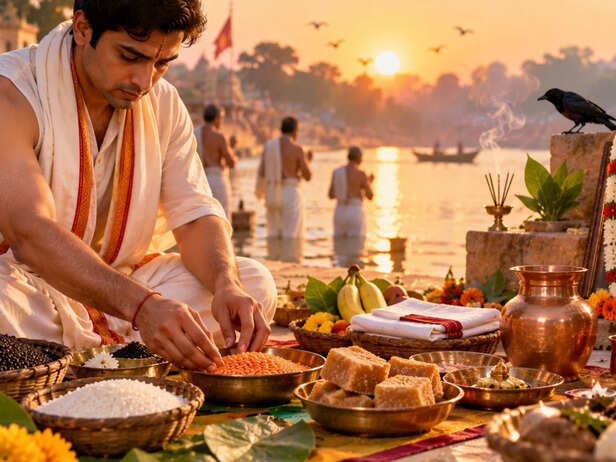
Family Remembering Their Ancestors
Image credit : chatgpt(ai)
Pitru Paksha is traditionally observed as a period for honouring departed ancestors through practices such as Shraddha, Tarpan and offerings. The focus is not only on performing rituals but also on remembering the people who came before us. Our names, traditions, family stories, culture and values are often connected to previous generations. Ancestor worship therefore becomes an expression of gratitude for many families. Whether someone follows every ritual or simply takes time to remember their ancestors, the central idea remains remembrance and respect.
It Is Not Only About Male Ancestors
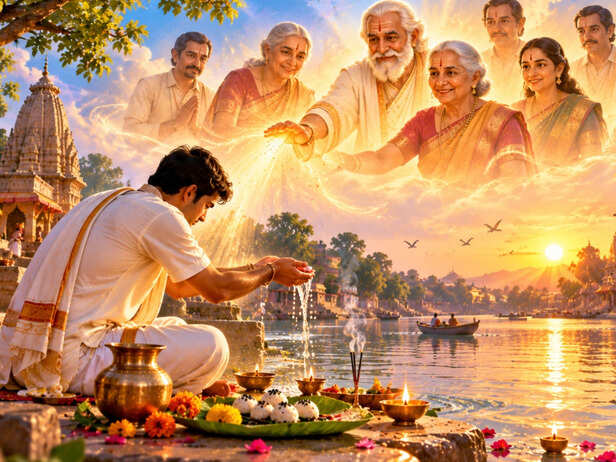
Three Generations of a Family Together
Image credit : chatgpt(ai)
One common misunderstanding is that Pitru refers only to male ancestors. In a broader family and spiritual context, remembrance can include departed mothers, grandmothers, sisters, daughters and other loved ones. The emotional bond created by a family does not disappear simply because someone is no longer physically present. Ancestor blessings are therefore not something that needs to be understood through gender alone. Pitru Paksha can be a time to remember every family member whose life, love, struggles or values became part of the family's story.
Your Pitru Tithi Matters
What If You Do Not Know the Tithi?
Gratitude Is Bigger Than Ritual
What If Your Ancestors Hurt You?
Remember, Then Move Forward
Unlock insightful tips and inspiration on personal growth, productivity, and well-being. Stay motivated and updated with the latest at My Life XP.