Festival Lights & Sound: The Rise of Eco-Friendly Decor in Diwali Celebrations
Deepika Kataria | Sept 26, 2025, 11:31 IST
Diwali, the Festival of Lights, is celebrated with dazzling decorations and fireworks, but traditional practices often cause pollution, noise, and health issues. This article explores eco friendly alternatives clay diyas, solar lights, biodegradable rangoli, green and silent fireworks that allow families to celebrate sustainably. Embracing these practices preserves the festival’s joy while protecting the environment and public health.

Diwali, often called the “Festival of Lights,” is one of India’s most celebrated and cherished occasions. Streets glow with diyas, homes sparkle with fairy lights, and fireworks paint the night sky with bursts of color and sound. Traditionally, these rituals symbolize the triumph of light over darkness, knowledge over ignorance, and good over evil.
But in recent years, Diwali has also been associated with concerns about pollution, noise, energy consumption, and waste. Cities wake up after Diwali to smog filled skies, littered streets, and complaints about noise levels affecting health and wildlife. This has sparked a growing movement: eco friendly Diwali celebrations. From solar powered lamps to biodegradable rangoli and sound controlled fireworks, Indians are reimagining festive decor in ways that balance tradition with sustainability.
![Clay Diyas Illuminating a Home]() Every year, Diwali transforms cities and towns into dazzling hubs of light and sound, but behind the festive brilliance lies a growing environmental and health burden. Excessive electricity consumption is one of the biggest issues string lights and decorative LEDs often remain switched on for hours, sometimes throughout the night, creating a competitive atmosphere among neighborhoods and causing sudden spikes in energy demand. Alongside this, plastic pollution adds to the problem. Decorative items like plastic diyas, thermocol rangolis, and synthetic garlands may look attractive but are non biodegradable, ultimately ending up in overflowing landfills. The festive soundscape also takes a toll: loud firecrackers disturb children, senior citizens, and pets, while doctors report a noticeable rise in anxiety, sleep disturbances, and respiratory complaints during and after Diwali. Perhaps most concerning is the impact of fireworks on air quality. The chemicals released create dense smog filled with particulate matter, carbon dioxide, and sulfur compounds, leaving many cities with dangerously high pollution levels the very next morning. What should symbolize joy, light, and renewal too often ends up damaging the very environment we depend on. Clearly, it’s time for a shift toward eco friendly celebrations that balance tradition with responsibility.
Every year, Diwali transforms cities and towns into dazzling hubs of light and sound, but behind the festive brilliance lies a growing environmental and health burden. Excessive electricity consumption is one of the biggest issues string lights and decorative LEDs often remain switched on for hours, sometimes throughout the night, creating a competitive atmosphere among neighborhoods and causing sudden spikes in energy demand. Alongside this, plastic pollution adds to the problem. Decorative items like plastic diyas, thermocol rangolis, and synthetic garlands may look attractive but are non biodegradable, ultimately ending up in overflowing landfills. The festive soundscape also takes a toll: loud firecrackers disturb children, senior citizens, and pets, while doctors report a noticeable rise in anxiety, sleep disturbances, and respiratory complaints during and after Diwali. Perhaps most concerning is the impact of fireworks on air quality. The chemicals released create dense smog filled with particulate matter, carbon dioxide, and sulfur compounds, leaving many cities with dangerously high pollution levels the very next morning. What should symbolize joy, light, and renewal too often ends up damaging the very environment we depend on. Clearly, it’s time for a shift toward eco friendly celebrations that balance tradition with responsibility.
![Silent Fireworks Over a Cityscape]() Fireworks have always been at the heart of Diwali, symbolizing celebration, joy, and the triumph of light, yet their environmental and health impacts are becoming harder to ignore. Traditionally, bursting crackers was a personal and household activity, but the resulting air and noise pollution has forced people to rethink how they celebrate. One promising alternative is the use of green crackers, developed by CSIR labs in India, which emit 30 to 40% less noise and pollutants, making them a relatively safer option for those who do not want to give up fireworks altogether. Another innovation is silent fireworks, already popular in parts of Europe, which provide dazzling visual effects without the deafening blasts, offering a more considerate way to celebrate. Some cities are also adopting community firework displays, where instead of every household adding to the chaos, a single large, organized show provides enjoyment while cutting down on pollution and ensuring safety. Beyond fireworks altogether, modern alternatives such as laser shows, drone formations, and light projections are gaining popularity, especially among younger generations who value creativity and eco consciousness. Together, these solutions show that Diwali can retain its festive brilliance while embracing sustainability and minimizing harm to people, pets, and the planet.
Fireworks have always been at the heart of Diwali, symbolizing celebration, joy, and the triumph of light, yet their environmental and health impacts are becoming harder to ignore. Traditionally, bursting crackers was a personal and household activity, but the resulting air and noise pollution has forced people to rethink how they celebrate. One promising alternative is the use of green crackers, developed by CSIR labs in India, which emit 30 to 40% less noise and pollutants, making them a relatively safer option for those who do not want to give up fireworks altogether. Another innovation is silent fireworks, already popular in parts of Europe, which provide dazzling visual effects without the deafening blasts, offering a more considerate way to celebrate. Some cities are also adopting community firework displays, where instead of every household adding to the chaos, a single large, organized show provides enjoyment while cutting down on pollution and ensuring safety. Beyond fireworks altogether, modern alternatives such as laser shows, drone formations, and light projections are gaining popularity, especially among younger generations who value creativity and eco consciousness. Together, these solutions show that Diwali can retain its festive brilliance while embracing sustainability and minimizing harm to people, pets, and the planet.
![Community Diwali Light Show]() The growing adoption of eco friendly Diwali practices is driven by a blend of health awareness, financial practicality, cultural revival, and digital influence. One of the strongest motivators is health. Every year, asthma patients, children, and the elderly struggle with post-Diwali smog and noise pollution, leading families to consciously avoid or minimize crackers for the sake of vulnerable members. Alongside health, cost savings are a major factor. While solar powered lights and reusable decor may seem like an upfront investment, they significantly reduce electricity bills and last for years, making them economical in the long run. Similarly, handcrafted clay diyas, often available at local markets, are both affordable and sustainable, especially compared to energy hungry electric lights. At the same time, eco friendly choices are fueling a cultural revival. Traditional practices like lighting clay diyas, creating rangolis with flower petals, and decorating with mango leaves or marigold garlands connect people back to the authentic essence of Diwali, reviving artistry that had been overshadowed by synthetic, mass-produced alternatives. Finally, social media influence plays a crucial role. Platforms like Instagram, X (formerly Twitter), and Facebook amplify movements with hashtags such as #EcoFriendlyDiwali, #GreenCrackers, and #SwitchToClay, inspiring people to share their sustainable celebrations with pride. This digital visibility not only spreads awareness but also makes eco friendly practices appear modern and aspirational. Together, these factors are shifting the way people celebrate, showing that sustainability is not a compromise but an enhancement of the festival’s true spirit.While eco friendly Diwali celebrations are gaining popularity, several challenges continue to slow their mainstream adoption. The biggest hurdle is awareness gaps a large section of people are either unaware of sustainable alternatives or believe they are too expensive, leading them to stick with conventional options. Even when awareness exists, market availability poses another barrier. In many rural and semi-urban areas, products like solar powered lights, biodegradable decorations, or certified green crackers are simply not accessible, leaving households with little choice but to rely on traditional items. Alongside this, cultural resistance plays a powerful role. For generations, bursting crackers has been associated with joy and festivity, and many families feel Diwali is incomplete without the loud sounds and sparkling skies. Convincing them to shift to silent or alternative celebrations often meets emotional resistance. Adding to these challenges is the issue of greenwashing. Some companies label products as “eco friendly” without substantial proof or impact, misleading consumers and eroding trust in genuine sustainable efforts. Together, these obstacles highlight that while eco friendly Diwali is a noble idea, it requires stronger awareness campaigns, better accessibility, cultural sensitivity, and strict regulation of green claims to truly become the norm across India
The growing adoption of eco friendly Diwali practices is driven by a blend of health awareness, financial practicality, cultural revival, and digital influence. One of the strongest motivators is health. Every year, asthma patients, children, and the elderly struggle with post-Diwali smog and noise pollution, leading families to consciously avoid or minimize crackers for the sake of vulnerable members. Alongside health, cost savings are a major factor. While solar powered lights and reusable decor may seem like an upfront investment, they significantly reduce electricity bills and last for years, making them economical in the long run. Similarly, handcrafted clay diyas, often available at local markets, are both affordable and sustainable, especially compared to energy hungry electric lights. At the same time, eco friendly choices are fueling a cultural revival. Traditional practices like lighting clay diyas, creating rangolis with flower petals, and decorating with mango leaves or marigold garlands connect people back to the authentic essence of Diwali, reviving artistry that had been overshadowed by synthetic, mass-produced alternatives. Finally, social media influence plays a crucial role. Platforms like Instagram, X (formerly Twitter), and Facebook amplify movements with hashtags such as #EcoFriendlyDiwali, #GreenCrackers, and #SwitchToClay, inspiring people to share their sustainable celebrations with pride. This digital visibility not only spreads awareness but also makes eco friendly practices appear modern and aspirational. Together, these factors are shifting the way people celebrate, showing that sustainability is not a compromise but an enhancement of the festival’s true spirit.While eco friendly Diwali celebrations are gaining popularity, several challenges continue to slow their mainstream adoption. The biggest hurdle is awareness gaps a large section of people are either unaware of sustainable alternatives or believe they are too expensive, leading them to stick with conventional options. Even when awareness exists, market availability poses another barrier. In many rural and semi-urban areas, products like solar powered lights, biodegradable decorations, or certified green crackers are simply not accessible, leaving households with little choice but to rely on traditional items. Alongside this, cultural resistance plays a powerful role. For generations, bursting crackers has been associated with joy and festivity, and many families feel Diwali is incomplete without the loud sounds and sparkling skies. Convincing them to shift to silent or alternative celebrations often meets emotional resistance. Adding to these challenges is the issue of greenwashing. Some companies label products as “eco friendly” without substantial proof or impact, misleading consumers and eroding trust in genuine sustainable efforts. Together, these obstacles highlight that while eco friendly Diwali is a noble idea, it requires stronger awareness campaigns, better accessibility, cultural sensitivity, and strict regulation of green claims to truly become the norm across India
![Handcrafted Eco-Friendly Decorations]() Diwali has always been more than just a festival it is a celebration of togetherness, joy, and the symbolic triumph of light over darkness. Families gather to decorate their homes, exchange sweets, and create memories, all under the radiant glow of lamps and lights. Yet, in recent years, the festival has also come under scrutiny for its environmental costs, from toxic smog and deafening noise to overflowing plastic waste. This has sparked a growing realization that true celebration lies not just in grandeur, but in responsibility.
Diwali has always been more than just a festival it is a celebration of togetherness, joy, and the symbolic triumph of light over darkness. Families gather to decorate their homes, exchange sweets, and create memories, all under the radiant glow of lamps and lights. Yet, in recent years, the festival has also come under scrutiny for its environmental costs, from toxic smog and deafening noise to overflowing plastic waste. This has sparked a growing realization that true celebration lies not just in grandeur, but in responsibility.
Adopting eco friendly practices during Diwali does not mean sacrificing the fun or magic of the festival. Instead, it opens doors to more creative, authentic, and sustainable ways of celebrating. Simple choices like opting for clay diyas instead of plastic ones, using solar-powered lights instead of electricity-draining strings, or choosing natural rangoli made of flowers and rice flour can make a huge difference. Similarly, replacing noisy, polluting fireworks with green crackers, silent fireworks, or even laser and drone shows allows families to enjoy the beauty of the festival without harming the environment or disturbing others.
Every household that embraces such practices contributes to reducing the collective carbon footprint of Diwali. It’s not about doing everything perfectly, but about taking small, conscious steps that together add up to meaningful impact. When families choose eco friendly decor, they are not only protecting the air, water, and soil but also honoring the festival’s true spirit bringing light into the world without casting shadows on the future.
Ultimately, what better way to celebrate the essence of Diwali the victory of light over darkness than by ensuring that our festive light shines responsibly, illuminating lives today while safeguarding the planet for generations to come? This is how joy and responsibility can truly go hand in hand.
But in recent years, Diwali has also been associated with concerns about pollution, noise, energy consumption, and waste. Cities wake up after Diwali to smog filled skies, littered streets, and complaints about noise levels affecting health and wildlife. This has sparked a growing movement: eco friendly Diwali celebrations. From solar powered lamps to biodegradable rangoli and sound controlled fireworks, Indians are reimagining festive decor in ways that balance tradition with sustainability.
The Problem with Traditional Diwali Decor
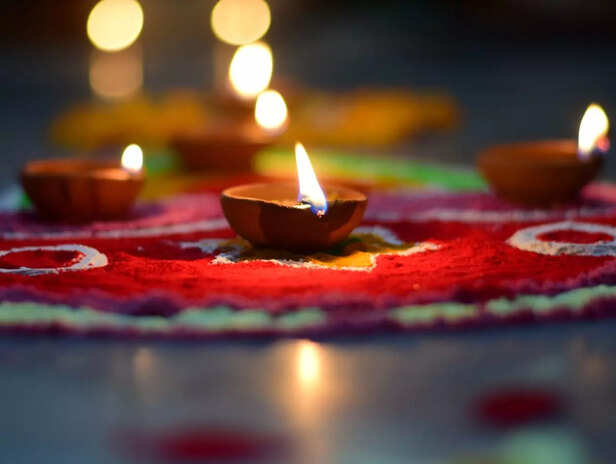
Clay Diyas Illuminating a Home
Image credit : Pexels
Eco Friendly Sound: Rethinking Fireworks and Celebrations

Silent Fireworks Over a Cityscape
Image credit : Pexels
Why People Are Adopting Eco Friendly Diwali
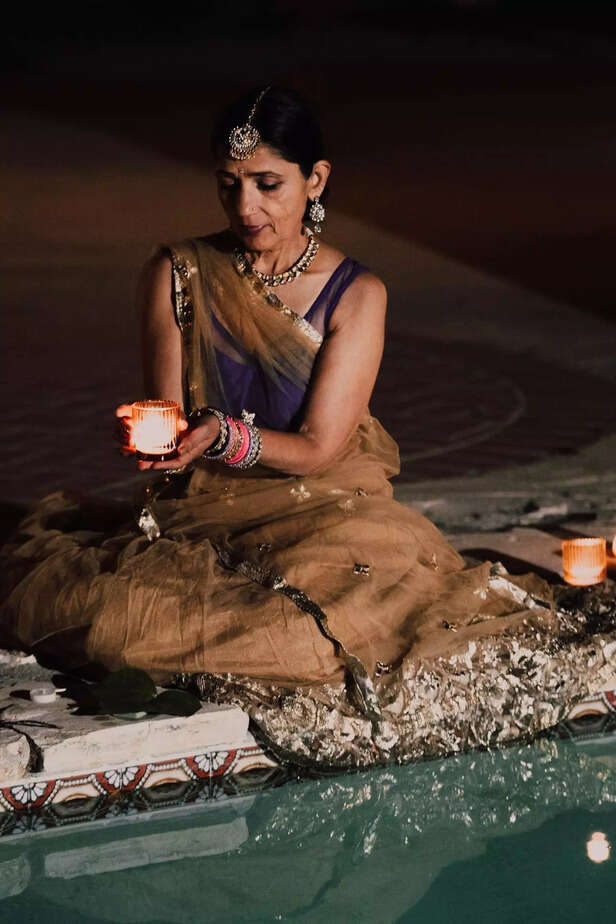
Community Diwali Light Show
Image credit : Pexels
Challenges in Mainstream Adoption
Balancing Joy and Responsibility
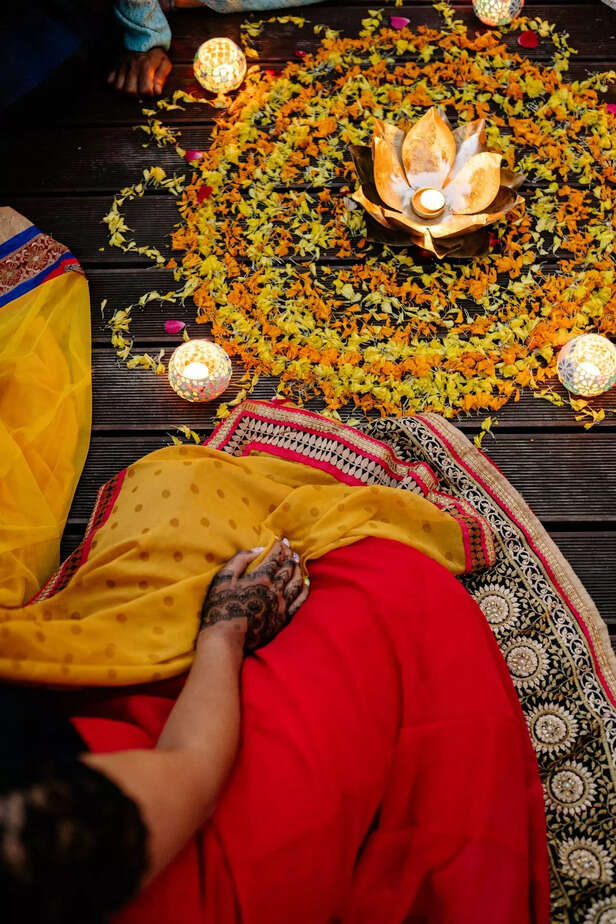
Handcrafted Eco-Friendly Decorations
Image credit : Pexels
Adopting eco friendly practices during Diwali does not mean sacrificing the fun or magic of the festival. Instead, it opens doors to more creative, authentic, and sustainable ways of celebrating. Simple choices like opting for clay diyas instead of plastic ones, using solar-powered lights instead of electricity-draining strings, or choosing natural rangoli made of flowers and rice flour can make a huge difference. Similarly, replacing noisy, polluting fireworks with green crackers, silent fireworks, or even laser and drone shows allows families to enjoy the beauty of the festival without harming the environment or disturbing others.
Every household that embraces such practices contributes to reducing the collective carbon footprint of Diwali. It’s not about doing everything perfectly, but about taking small, conscious steps that together add up to meaningful impact. When families choose eco friendly decor, they are not only protecting the air, water, and soil but also honoring the festival’s true spirit bringing light into the world without casting shadows on the future.
Ultimately, what better way to celebrate the essence of Diwali the victory of light over darkness than by ensuring that our festive light shines responsibly, illuminating lives today while safeguarding the planet for generations to come? This is how joy and responsibility can truly go hand in hand.