Why Are the Kite and Jackal Worshipped on Jitiya?
Noopur Kumari | Oct 03, 2026, 12:00 IST
The most surprising part of the Jitiya Vrat story begins in a forest, where a kite and a jackal promise to observe the difficult fast together. One keeps her resolve, while the other secretly gives in to hunger. Years later, their destinies take completely different turns. One is blessed with children, while the other experiences the pain of childlessness. But there is one more twist:

Jitiya Vrat Secret
Image credit : ChatGPT (ai)
Have you ever wondered why a kite and a jackal are worshipped during Jitiya Vrat, especially in parts of Uttar Pradesh and Bihar? For many mothers, this is not simply another ritual performed after a difficult fast. Behind the tradition lies a moving story about friendship, temptation, truth and the consequences of breaking a sacred vow. The story of the kite and the jackal is traditionally remembered during Jivitputrika Vrat, a fast observed by mothers with prayers for the well-being and long life of their children.
![Jitiya Vrat]()
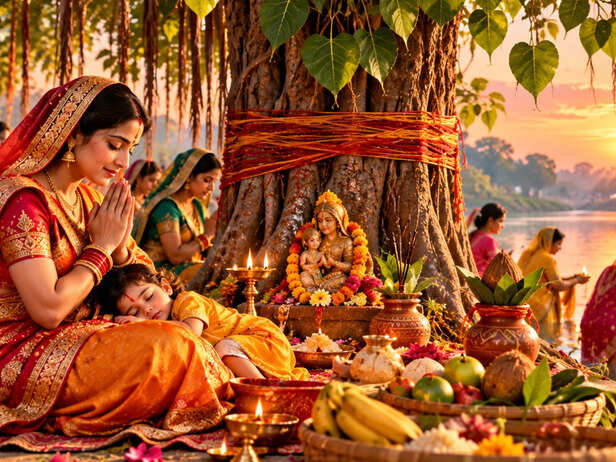
The traditional Jitiya Vrat story begins with two close friends, a kite and a jackal, living in the same forest. One day, they decide to observe the difficult fast together. As evening arrives, the forest becomes quiet and both continue their vow without food or water. The kite remains determined despite the hardship. But as the night grows darker, the jackal begins struggling with hunger. This moment becomes the turning point of the story. What looks like a simple test of fasting soon becomes a lesson about faith, self-control and keeping a promise.
![Jackal Struggles With Hunger]()
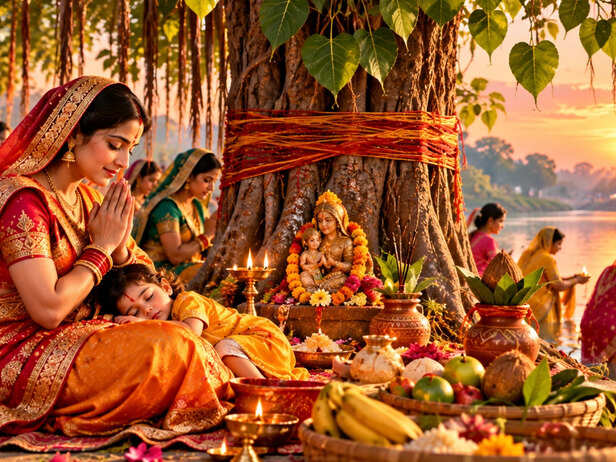
As the night deepens, the jackal becomes overwhelmed by hunger. Believing that nobody is watching, she quietly leaves her place and eats. When the kite hears a strange sound below, she asks her friend what happened. The jackal tries to hide the truth by saying that she is suffering from stomach pain. But the traditional story makes an important point here: a sacred vow is not only about what others can see. It is also about personal honesty. The jackal manages to hide her mistake from her friend, but she cannot escape its consequences.
The story then takes an unexpected turn. In their next birth, the kite is said to become Sheelavati, while the jackal becomes Karpuravati. Sheelavati is blessed with seven sons, while Karpuravati experiences the pain of remaining childless. In the traditional belief surrounding the story, this difference is connected with their conduct during the previous Jitiya fast. The story therefore turns the difficult vrat into a moral lesson. It suggests that sincerity matters, and that a vow should not be treated as a ritual performed only for appearance or social expectation.
Karpuravati eventually understands that something went wrong in her past. Instead of continuing to hide from her mistake, she accepts it and seeks guidance. The story connects her repentance with King Jimutavahana, the central figure associated with the Jivitputrika tradition. She approaches him with sincere faith and asks for relief from her suffering. The important emotional shift is that the story does not stop at wrongdoing. It gives space to regret, acceptance and devotion. For devotees, this part of the Jitiya Vrat tradition highlights the belief that sincere repentance can become a path toward spiritual renewal.
Jimutavahana holds a special place in the wider Jivitputrika tradition. The vrat is associated with his legendary act of self-sacrifice and compassion. In regional religious traditions, mothers observe Jitiya with prayers for the safety, longevity and well-being of their children. The kite-jackal story adds another layer to these beliefs by focusing on the importance of sincerity. Together, these stories make the vrat more than a difficult fast. They connect it with motherhood, sacrifice, faith and responsibility, which is why the tradition continues to hold emotional importance for many families in Uttar Pradesh, Bihar and neighbouring regions.
The worship of the kite and jackal during Jitiya is connected with this traditional narrative. Their contrasting actions create the central lesson of the story: one friend remains committed to her vow, while the other gives in to temptation and later regrets it. For many devotees, remembering these characters is a way of remembering the importance of truth, discipline and faith. The ritual is therefore not simply about the animals themselves. Their presence represents a story that has been passed through generations, giving mothers a memorable reminder of why sincerity matters while observing a sacred vrat.
At its heart, the Jitiya Vrat story is about a mother’s love and the willingness to endure hardship for her child. The fast can be physically demanding, but the emotional meaning comes from the intention behind it. The story of the kite and jackal adds another message: faith is deeply personal, and sincerity cannot be replaced by outward ritual. Whether someone follows the tradition as an act of devotion or sees it as an important part of family heritage, the story continues to carry a powerful message about truth, motherhood, sacrifice and hope.
Unlock insightful tips and inspiration on personal growth, productivity, and well-being. Stay motivated and updated with the latest at My Life XP
The Vrat Begins in a Forest
Jitiya Vrat
Image credit : chagpt(ai)
The traditional Jitiya Vrat story begins with two close friends, a kite and a jackal, living in the same forest. One day, they decide to observe the difficult fast together. As evening arrives, the forest becomes quiet and both continue their vow without food or water. The kite remains determined despite the hardship. But as the night grows darker, the jackal begins struggling with hunger. This moment becomes the turning point of the story. What looks like a simple test of fasting soon becomes a lesson about faith, self-control and keeping a promise.
The Jackal Breaks Her Vow
Jackal Struggles With Hunger
Image credit : chatgpt(ai)
As the night deepens, the jackal becomes overwhelmed by hunger. Believing that nobody is watching, she quietly leaves her place and eats. When the kite hears a strange sound below, she asks her friend what happened. The jackal tries to hide the truth by saying that she is suffering from stomach pain. But the traditional story makes an important point here: a sacred vow is not only about what others can see. It is also about personal honesty. The jackal manages to hide her mistake from her friend, but she cannot escape its consequences.
Their Next Birth Changes Everything
Karpuravati Realises Her Mistake
Why Jimutavahana Matters
Why the Kite and Jackal Are Worshipped
The Lesson Every Mother Remembers
Unlock insightful tips and inspiration on personal growth, productivity, and well-being. Stay motivated and updated with the latest at My Life XP