Why Do People Perform Pind Daan in Gaya Ji? The Secret
Noopur Kumari | Oct 03, 2026, 11:00 IST
What makes Gaya Ji different from countless other pilgrimage places? Why has Pind Daan remained such an important tradition here for generations? And what is the connection of Lord Rama and Goddess Sita with this sacred land? Behind the rituals lies a powerful idea: remembering those who came before us. Gaya Ji is not only a place where families perform Shraddha rituals.

People Perform Pind Daan in Gaya Ji
Image credit : ChatGPT(ai)
Have you ever wondered why people travel from different parts of India and even abroad to perform Pind Daan in Gaya Ji? During Pitru Paksha, the ancient city of Gaya becomes an important destination for families remembering their ancestors. The ritual is traditionally performed with the hope of offering peace and liberation to departed souls. But the deeper story of Gaya Ji goes beyond the ritual itself. Its sacred temples, the Phalgu River, Vishnupad Temple and stories associated with Lord Rama and Sita have made it one of Hinduism’s most significant pilgrimage centres for ancestral rites.
![Sacred Gaya Ji During Pitru Paksha]()
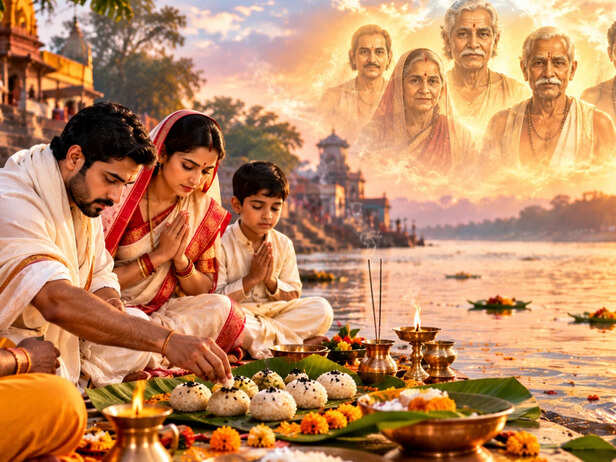
Gaya Ji holds a special place in the Hindu tradition of Pind Daan and Shraddha. The Bihar Tourism Department describes Pitru Paksha in Gaya as a period dedicated to ancestral offerings, with important ritual sites including the Phalgu River, Vishnupad Temple, Sita Kund and other sacred places. Devotees traditionally perform these rituals with the belief that they help bring peace and liberation to departed ancestors. This belief gives the pilgrimage a deeply emotional meaning. A person may never have met an ancestor from several generations ago, yet still travel to Gaya Ji to remember and honour them.
![The Legend of Gayasur]()
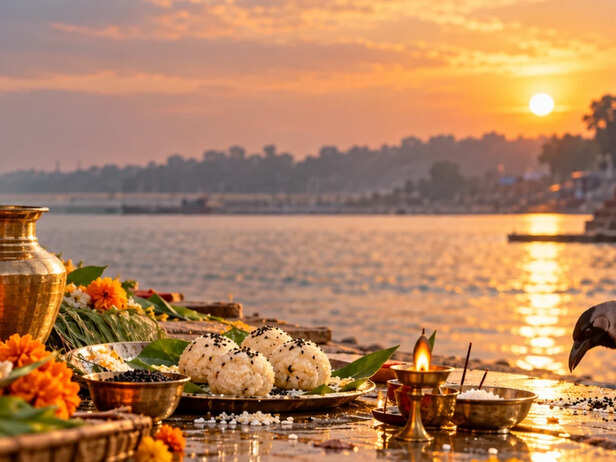
One reason Gaya is considered sacred is its connection with the ancient Gayasur legend. According to Hindu tradition, Gayasur was a powerful being whose intense penance earned him a divine boon. The legend says that Lord Vishnu eventually subdued him and transformed the land associated with his body into a sacred area known as Gayakshetra. This story is closely connected with the religious importance of Gaya and its ancestral rituals. Today, Vishnupad Temple remains one of the central pilgrimage sites, where devotees worship the sacred footprint associated with Lord Vishnu.
The connection becomes even more powerful through the Ramayana tradition. According to the religious account associated with Gaya Ji, Lord Rama came here to perform Pind Daan for his father, King Dasharatha. The Bihar government’s Gaya pilgrimage information also preserves this tradition, describing Gaya as a place where Lord Rama performed ancestral rites. This story gives devotees a familiar example of filial duty and remembrance. It suggests that honouring parents and ancestors is not simply a ritual obligation but an expression of gratitude toward the people whose lives came before our own.
There is another deeply emotional tradition connected with Gaya Ji. Sita Kund, located across the Phalgu River from Vishnupad Temple, is traditionally identified as the place where Goddess Sita performed Pind Daan for her father-in-law, King Dasharatha. The Bihar Tourism Department records this as a local religious belief, and the site continues to preserve the story through its sacred traditions. Whether approached as faith, legend or cultural heritage, the story adds another layer to Gaya Ji’s identity. It also shows how ancestral remembrance has been woven into Hindu storytelling for generations.
The Phalgu River is another important part of the Gaya Ji pilgrimage. Many ancestral rituals are performed along its banks, making the river central to the experience of Pitru Paksha in Gaya. The district administration describes the Phalgu as a significant feature of Gaya’s religious landscape, while Sita Kund lies on its opposite bank near Vishnupad Temple. For devotees, the river is more than a geographical feature. It forms part of a sacred setting where families pause their everyday lives, remember departed loved ones and continue rituals passed down through generations.
Perhaps the deepest meaning of Pind Daan in Gaya Ji lies beyond the physical ritual. It gives families a moment to remember people they may know only through old photographs, stories or family memories. During Pitru Paksha, generations seem to meet through remembrance. The ritual becomes a way of saying that although an ancestor is no longer physically present, their place in the family story has not disappeared. In that sense, Gaya Ji represents more than ancestral rites. It represents continuity, gratitude and the emotional connection between one generation and the generations that came before it.
The tradition continues because remembrance is something every generation can understand. A family may change, cities may change and lifestyles may change, but the desire to honour parents and ancestors remains powerful. Gaya Ji provides a sacred setting for that emotion through Pind Daan, Shraddha, Tarpan and Pitru Paksha rituals. The official Gaya pilgrimage portal describes Pind Daan as a tradition associated with peace, satisfaction and liberation for departed souls. For devotees, the journey therefore becomes both a religious practice and a personal act of remembrance.
Unlock insightful tips and inspiration on personal growth, productivity, and well-being. Stay motivated and updated with the latest at My Life XP.
Why Gaya Ji Matters
Sacred Gaya Ji During Pitru Paksha
Image credit : chatgpt(ai)
Gaya Ji holds a special place in the Hindu tradition of Pind Daan and Shraddha. The Bihar Tourism Department describes Pitru Paksha in Gaya as a period dedicated to ancestral offerings, with important ritual sites including the Phalgu River, Vishnupad Temple, Sita Kund and other sacred places. Devotees traditionally perform these rituals with the belief that they help bring peace and liberation to departed ancestors. This belief gives the pilgrimage a deeply emotional meaning. A person may never have met an ancestor from several generations ago, yet still travel to Gaya Ji to remember and honour them.
The Story of Gayasur
The Legend of Gayasur
Image credit : chatgpt(ai)
One reason Gaya is considered sacred is its connection with the ancient Gayasur legend. According to Hindu tradition, Gayasur was a powerful being whose intense penance earned him a divine boon. The legend says that Lord Vishnu eventually subdued him and transformed the land associated with his body into a sacred area known as Gayakshetra. This story is closely connected with the religious importance of Gaya and its ancestral rituals. Today, Vishnupad Temple remains one of the central pilgrimage sites, where devotees worship the sacred footprint associated with Lord Vishnu.
Rama’s Pind Daan
The Sita Pind Daan Story
The Sacred Phalgu River
More Than a Ritual
Why the Tradition Continues
Unlock insightful tips and inspiration on personal growth, productivity, and well-being. Stay motivated and updated with the latest at My Life XP.