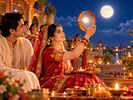
Across much of India, Diwali is closely associated with the worship of Goddess Lakshmi, the deity of prosperity and good fortune. But in Bengal, the same night takes on a different spiritual meaning. As lamps glow and homes fill with festive energy, devotees gather to worship Maa Kali, the fierce yet protective form of the Divine Mother. Why does Bengal follow this distinctive tradition? The answer lies in the region’s deep Shakta heritage, the significance of the new moon night and a history that helped shape one of Bengal’s most recognisable Diwali customs.
Why Bengal Worships Maa Kali on Diwali
![Maa Kali’s Twilight Temple Tableau]()
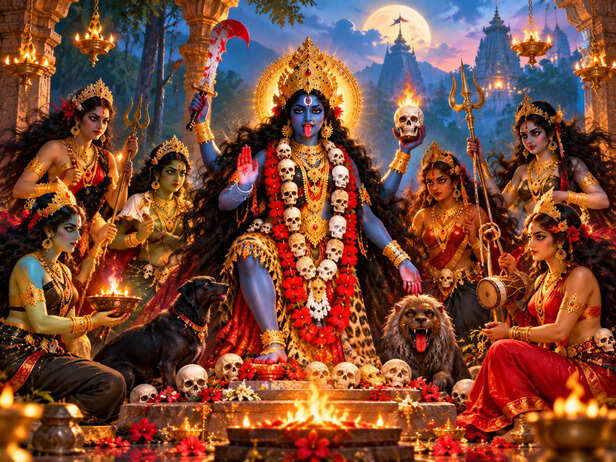
Maa Kali’s Twilight Temple Tableau
Image credit : chatgpt(ai)
In many parts of India, Diwali centres on Goddess Lakshmi, but in Bengal, Kali Puja is one of the main religious observances of the night. Devotees worship Maa Kali with flowers, lamps, offerings and prayers, seeking her protection and blessings. This difference reflects the diversity of Hindu traditions across India. Bengal has a long history of Shakta worship, in which the Divine Mother is revered as the supreme power behind creation and transformation. For Bengali devotees, Kali Puja is not a rejection of Lakshmi worship but a distinctive expression of regional faith and devotion.
The Importance of Amavasya
![Maa Badi Dev Kali,]()
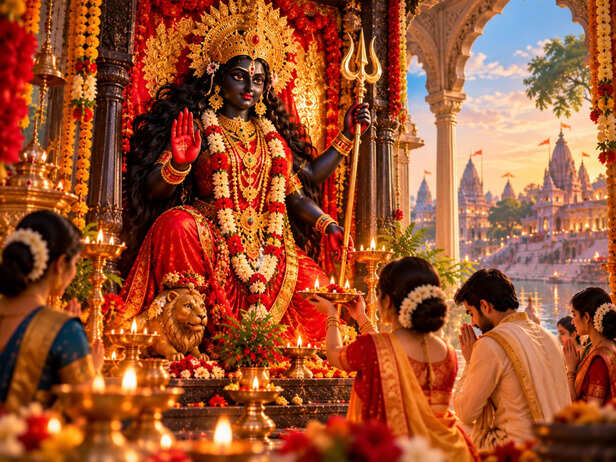
Maa Badi Dev Kali,
Kali Puja is performed on the Amavasya, or new moon night, of the Hindu month of Kartik, which coincides with Diwali. In several Shakta and Tantric traditions, the night is considered spiritually significant for the worship of the Divine Mother. Maa Kali is associated with time, transformation and the destruction of ignorance. Her fierce appearance can seem intimidating at first, but devotees also see her as a compassionate protector who confronts darkness. This connection between the new moon and Kali worship helps explain why the night has such a powerful place in Bengal’s religious calendar.
Bengal’s Deep Shakta Tradition
To understand Bengal’s Kali Puja, it helps to understand Shaktism, a Hindu tradition that centres on the worship of Shakti, the Divine Feminine. Maa Kali is one of its most revered forms, representing power, transformation and liberation. Her worship has shaped Bengal’s religious imagination through temples, devotional poetry, spiritual practices and family traditions. Over generations, these influences made Kali more than a deity worshipped on a particular night. For many devotees, she is a mother who protects her children and gives them courage to face life’s uncertainties.
Raja Krishnachandra’s Historical Role
Popular accounts often connect the expansion of Kali Puja in Bengal with Raja Krishnachandra of Nadia, an eighteenth-century ruler known for his cultural and religious patronage. His support is frequently mentioned in stories about how the festival gained wider recognition. However, the history of Kali worship in Bengal is older, and the development of the modern festival cannot be attributed to one person alone. Royal patronage, local religious communities and existing Shakta traditions all played roles in shaping the celebration. This blend of history and devotion helps explain how Kali Puja became such a prominent part of Bengal’s Diwali.
Why Maa Kali’s Fierce Form Inspires Devotion
Maa Kali’s dark complexion, garland and fierce expression can appear startling to those unfamiliar with her symbolism. In devotional interpretations, however, her form represents much more than destruction. She is believed to confront evil, challenge the ego and protect devotees from harmful forces. Her imagery also points towards the reality of time and change, reminding people that nothing in the material world lasts forever. For her worshippers, this fierce form is not simply frightening; it is a source of courage and reassurance. The Mother who destroys evil is also the Mother to whom devotees turn for protection.
How Kali Puja Became a Bengali Tradition
Over time, Kali Puja grew beyond temple rituals and became a major community celebration. Homes, neighbourhoods and public pandals welcome the Goddess with elaborate decorations, flowers, lamps and devotional ceremonies. Families pass down their own customs, while communities come together to celebrate the night. Although practices differ from place to place, the central feeling remains devotion to Maa Kali. The festival shows how a religious tradition can become part of a region’s shared identity, connecting spiritual beliefs with art, family memories and community life.
The Deeper Meaning of Bengal’s Diwali
Bengal’s Diwali reminds us that the same festival can carry different meanings across India. While Lakshmi worship remains important in many Bengali households and traditions, Kali Puja gives the new moon night a distinct spiritual identity. Its message is one of strength, protection and the courage to face darkness. Lighting a diya and praying to Maa Kali become ways of expressing hope and faith. That is what makes this tradition so meaningful: it connects centuries of devotion with the lives of people who continue to celebrate it today.
Unlock insightful tips and inspiration on personal growth, productivity, and well-being. Stay motivated and updated with the latest at
My Life XP.