Bhabanipur Shock: How Mamata Lost to Suvendu Adhikari
Deepak Rajeev | Tue, 05 May 2026
Bhabanipur, long seen as Mamata Banerjee’s safest political stronghold, delivered one of the biggest shocks of the 2026 West Bengal election when BJP’s Suvendu Adhikari defeated her by around 15,000 votes. The result reflected a larger statewide political shift, months of changing local ground sentiment, and a contest that became far bigger than one constituency.

Mamata Banerjee & Suvendu Adhikari
Image credit : ANI
Bhabanipur was supposed to be the seat of reassurance. For Mamata Banerjee, it was not merely another constituency in Kolkata but the political ground that had restored her authority after the 2021 Nandigram defeat. In the 2021 bypoll, she had won here by a commanding margin of more than 58,000 votes, reinforcing the widespread belief that Bhabanipur was her safest political bastion. That is precisely why the result of the 2026 West Bengal Assembly election has sent such a deep shock through Bengal’s political landscape. On May 4, BJP leader Suvendu Adhikari defeated Mamata Banerjee in Bhabanipur by a margin of a little over 15,000 votes, turning what had long been seen as her fortress into the site of one of the most symbolic setbacks of her political career. This was not merely the loss of a seat. It was the collapse of a political assumption that Bhabanipur would remain immune even if the wider mood of Bengal shifted.
A Contest That Became Larger Than Bhabanipur
![TMC candidate from Bhabanipur Mamata Banerjee]()
The battle carried an emotional and political history far bigger than the constituency itself. Suvendu Adhikari was once among Mamata Banerjee’s most trusted lieutenants inside the Trinamool Congress. His departure to the BJP transformed a long-standing political partnership into one of the fiercest rivalries in contemporary Indian politics.
Their first defining confrontation came in Nandigram in 2021, where Adhikari defeated Banerjee in one of the most closely watched contests in the country. Bhabanipur in 2026 therefore became more than a constituency election. It turned into a second chapter of an unfinished political duel. The symbolic weight of that rivalry mattered because the BJP succeeded in presenting the contest not as a routine local election but as a referendum on leadership, credibility, and political fatigue. The emotional narrative of a former protégé returning to defeat his political mentor again gave the contest an intensity that ordinary electoral arithmetic alone cannot explain.
![Suvendu Adhikari]()
For years, Bhabanipur had been associated with Mamata Banerjee’s political identity. Yet even before the 2026 election, warning signs had begun to emerge. Recent electoral analyses noted that the BJP had been tightening the contest at the booth and ward level. The Economic Times reported before polling that Lok Sabha voting patterns and ward-level trends indicated a much narrower political contest than the historic margins of earlier years suggested.
That mattered because Bhabanipur is politically layered. It contains old Bengali neighbourhoods, business communities, minority pockets, urban middle-class voters, and sections that respond strongly to statewide mood rather than purely local candidate identity. When a seat like this begins to show narrowing margins across multiple wards, it often signals not an isolated fluctuation but a deeper political movement. In other words, the shock of the result may have been sudden, but the structural warning signs had been visible for months.
One of the most important factual contexts behind Bhabanipur’s result is that the constituency did not vote in isolation from Bengal’s broader political climate. Multiple authoritative reports noted that the BJP’s 2026 performance represented a much larger statewide surge, with the party crossing the 200-seat mark in the Assembly and registering its first victory in the state. That larger shift altered the psychology of local contests. When voters sense the possibility of a statewide transition, even constituencies long considered loyal can become more fluid. Political scientists often describe this as the “nationalisation” or “statewide absorption” of local contests, where the electorate increasingly votes with a larger political narrative in mind. Bhabanipur appears to have experienced precisely that phenomenon. The seat ceased to be simply about local familiarity or historical loyalty and became tied to the broader question of whether Bengal itself was entering a new political phase.
Authoritative reporting after the result suggests that Adhikari’s victory was not accidental. It was built through sustained political groundwork, targeted booth-level organisation, and a campaign calibrated around local arithmetic and larger ideological messaging. The counting pattern itself revealed how intensely fought the contest was. Early rounds produced fluctuations, with Mamata Banerjee briefly moving ahead before the trend reversed. By later rounds, Adhikari had built a decisive lead that ultimately held through the final count. Reports from The Economic Times noted that postal ballots, round-wise reversals, and late-stage consolidation all pointed to disciplined electoral machinery rather than a last-minute upset. That is politically significant because defeating an entrenched incumbent in a historically safe seat usually requires not only mood but method. Bhabanipur showed both.
The most revealing part of the Bhabanipur result is not merely that Mamata Banerjee lost. It is where she lost. She lost in the constituency that had once symbolised recovery after Nandigram. She lost in the seat associated with her own political geography in Kolkata. She lost to the rival who had already inflicted one of the sharpest personal setbacks of her career. That is why this result has acquired such symbolic force. It suggests that political security in democratic politics is never permanent. Constituencies become safe only so long as political mood, organisation, leadership perception, and social coalition continue to hold together. Bhabanipur in 2026 became the place where that equilibrium broke.
The deeper lesson of this election is that voters rarely overturn political assumptions in a single moment. They do so gradually, through accumulated shifts in mood, organisation, expectations, and confidence. Mamata Banerjee’s defeat in Bhabanipur was therefore not simply the story of a candidate losing a seat. It was the moment when a political fortress stopped behaving like one. And perhaps that is why this result will be remembered far beyond the numbers. It marked the day when Bengal’s most symbolic safe seat became the clearest sign that the political ground beneath it had already changed.
Unlock insightful tips and inspiration on personal growth, productivity, and well-being. Stay motivated and updated with the latest at My Life XP.
A Contest That Became Larger Than Bhabanipur

TMC candidate from Bhabanipur Mamata Banerjee
Image credit : ANI
The battle carried an emotional and political history far bigger than the constituency itself. Suvendu Adhikari was once among Mamata Banerjee’s most trusted lieutenants inside the Trinamool Congress. His departure to the BJP transformed a long-standing political partnership into one of the fiercest rivalries in contemporary Indian politics.
Their first defining confrontation came in Nandigram in 2021, where Adhikari defeated Banerjee in one of the most closely watched contests in the country. Bhabanipur in 2026 therefore became more than a constituency election. It turned into a second chapter of an unfinished political duel. The symbolic weight of that rivalry mattered because the BJP succeeded in presenting the contest not as a routine local election but as a referendum on leadership, credibility, and political fatigue. The emotional narrative of a former protégé returning to defeat his political mentor again gave the contest an intensity that ordinary electoral arithmetic alone cannot explain.
The Ground Beneath Bhabanipur Had Already Begun to Shift
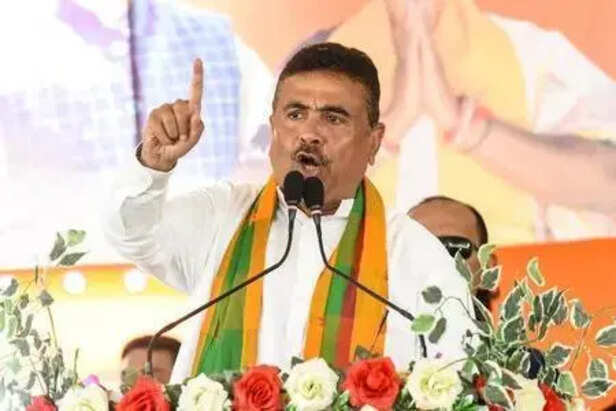
Suvendu Adhikari
Image credit : IANS
For years, Bhabanipur had been associated with Mamata Banerjee’s political identity. Yet even before the 2026 election, warning signs had begun to emerge. Recent electoral analyses noted that the BJP had been tightening the contest at the booth and ward level. The Economic Times reported before polling that Lok Sabha voting patterns and ward-level trends indicated a much narrower political contest than the historic margins of earlier years suggested.
That mattered because Bhabanipur is politically layered. It contains old Bengali neighbourhoods, business communities, minority pockets, urban middle-class voters, and sections that respond strongly to statewide mood rather than purely local candidate identity. When a seat like this begins to show narrowing margins across multiple wards, it often signals not an isolated fluctuation but a deeper political movement. In other words, the shock of the result may have been sudden, but the structural warning signs had been visible for months.
The Election Was Also About Statewide Anti-Incumbency
One of the most important factual contexts behind Bhabanipur’s result is that the constituency did not vote in isolation from Bengal’s broader political climate. Multiple authoritative reports noted that the BJP’s 2026 performance represented a much larger statewide surge, with the party crossing the 200-seat mark in the Assembly and registering its first victory in the state. That larger shift altered the psychology of local contests. When voters sense the possibility of a statewide transition, even constituencies long considered loyal can become more fluid. Political scientists often describe this as the “nationalisation” or “statewide absorption” of local contests, where the electorate increasingly votes with a larger political narrative in mind. Bhabanipur appears to have experienced precisely that phenomenon. The seat ceased to be simply about local familiarity or historical loyalty and became tied to the broader question of whether Bengal itself was entering a new political phase.
Suvendu Adhikari’s Campaign Was Relentless and Highly Targeted
Authoritative reporting after the result suggests that Adhikari’s victory was not accidental. It was built through sustained political groundwork, targeted booth-level organisation, and a campaign calibrated around local arithmetic and larger ideological messaging. The counting pattern itself revealed how intensely fought the contest was. Early rounds produced fluctuations, with Mamata Banerjee briefly moving ahead before the trend reversed. By later rounds, Adhikari had built a decisive lead that ultimately held through the final count. Reports from The Economic Times noted that postal ballots, round-wise reversals, and late-stage consolidation all pointed to disciplined electoral machinery rather than a last-minute upset. That is politically significant because defeating an entrenched incumbent in a historically safe seat usually requires not only mood but method. Bhabanipur showed both.
Why This Defeat Matters Far Beyond One Constituency
The most revealing part of the Bhabanipur result is not merely that Mamata Banerjee lost. It is where she lost. She lost in the constituency that had once symbolised recovery after Nandigram. She lost in the seat associated with her own political geography in Kolkata. She lost to the rival who had already inflicted one of the sharpest personal setbacks of her career. That is why this result has acquired such symbolic force. It suggests that political security in democratic politics is never permanent. Constituencies become safe only so long as political mood, organisation, leadership perception, and social coalition continue to hold together. Bhabanipur in 2026 became the place where that equilibrium broke.
The Larger Meaning of the Bhabanipur Verdict
The deeper lesson of this election is that voters rarely overturn political assumptions in a single moment. They do so gradually, through accumulated shifts in mood, organisation, expectations, and confidence. Mamata Banerjee’s defeat in Bhabanipur was therefore not simply the story of a candidate losing a seat. It was the moment when a political fortress stopped behaving like one. And perhaps that is why this result will be remembered far beyond the numbers. It marked the day when Bengal’s most symbolic safe seat became the clearest sign that the political ground beneath it had already changed.
Unlock insightful tips and inspiration on personal growth, productivity, and well-being. Stay motivated and updated with the latest at My Life XP.