From Myth to Modern Homes: Aparajita’s Protective Energy Explained
Noopur Kumari | Fri, 27 Feb 2026
Have you ever seen a deep blue flower that looks like a tiny temple bell? That is Aparajita. Known in science as Clitoria ternatea, this sacred plant holds a special place in Indian homes and temples. The name Aparajita means “the one who cannot be defeated.” Many believe it attracts positive energy and keeps negative forces away. It is offered to Goddess Durga and Lord Vishnu in prayers. But is it only belief, or is there deeper meaning? Let us understand why this simple flower is considered spiritually powerful and perfect for your home.

Aparajita Plant at Home
Image credit : ChatGPT(ai)
In Indian tradition, plants are not just decoration. They are living energy. Tulsi purifies the air. Peepal symbolizes life. In the same way, Aparajita is known as a symbol of victory and divine protection. The word “Aparajita” itself means invincible. In mythology, it is connected with Goddess Durga, the destroyer of negative forces. The deep blue color of the flower represents calmness, protection, and higher consciousness. Many families plant Aparajita near their entrance, balcony, or temple space. They believe it protects the home from negativity and brings peace. But what makes this flower spiritually special? Let us explore five meaningful reasons.
![Aparajita means “never defeated]()
Aparajita means never defeated. In Hindu rituals, this flower is offered to Goddess Durga during Navratri. It symbolizes strength over darkness. The belief is simple. When you plant Aparajita at home, you invite the energy of protection. Just as Goddess Durga removes evil, the plant represents removal of negative vibrations. Spiritually, symbols affect our mind deeply. Seeing a symbol of victory daily builds inner confidence. It reminds the family that no difficulty is permanent. This emotional and spiritual strength is why many consider Aparajita a protective shield.
![Aparajita flower]()
The most common Aparajita flower is deep blue. In spiritual science, blue represents calmness, truth, and higher awareness. The color blue is linked with Lord Krishna and Lord Shiva. It represents infinity and depth. When this plant blooms, it adds peaceful vibration to the surroundings. Even psychologically, blue reduces stress and anxiety. A calm environment reduces negative thoughts. So, while people say it does not attract negativity, the real meaning is this: it creates peace, and peace pushes negativity away naturally.
![lord shiva]()
Aparajita flowers are offered in temples and during daily prayers. It is especially dear to Goddess Durga and Lord Vishnu. When a plant becomes part of prayer, it gains emotional and cultural importance. Families feel spiritually connected when they pluck fresh flowers for puja from their own home. This daily ritual builds positivity. The act of caring for a sacred plant increases mindfulness and gratitude. Over time, this positive routine strengthens family harmony. That is why Aparajita is seen not just as a plant, but as a divine companion.
Unlike many decorative plants, Aparajita is simple to grow. It climbs easily and needs basic sunlight and water. A plant that grows without much effort symbolizes resilience. It teaches patience and care. When children water it daily, they learn responsibility. When elders see it bloom, they feel joy. It grows along gates, balconies, and small gardens without demanding too much space. A peaceful plant that grows steadily creates emotional satisfaction. This simplicity makes it ideal for homes.
Beyond spirituality, Aparajita has medicinal importance in Ayurveda. Its flowers are used in herbal teas and traditional remedies. It is known for supporting memory, reducing stress, and improving skin health. When a plant benefits both body and mind, people naturally respect it more. This practical usefulness adds to its spiritual value. A plant that heals, beautifies, and purifies becomes a complete blessing for the home.
The truth is simple. No plant magically fights invisible forces. But symbols, colors, rituals, and natural beauty deeply influence the human mind.
Aparajita represents victory. Its blue color creates calmness. Its presence in prayer builds positivity. Its easy growth spreads joy. Its medicinal use adds real value. When positivity increases, negativity automatically reduces. That is why Aparajita is considered spiritually powerful. Planting it at home is not about superstition. It is about inviting peace, strength, and sacred connection into daily life. In a world full of stress and competition, even a small blue flower can remind us: Stay calm. Stay strong. Stay undefeated. And maybe that is the real power of Aparajita.
Unlock insightful tips and inspiration on personal growth, productivity, and well-being. Stay motivated and updated with the latest at My Life XP.
1. What is the Aparajita plant?
Aparajita is a sacred flowering vine known scientifically as Clitoria ternatea. It produces beautiful blue or white flowers and is commonly called Butterfly Pea. In Indian tradition, it is considered spiritually powerful and is often grown in homes and temples.
2. Why is Aparajita considered spiritual?
The name “Aparajita” means “undefeated.” It is associated with Goddess Durga and symbolizes victory over negative forces. The deep blue color represents calmness, divine energy, and protection, which is why many people believe it brings positive vibrations.
3. Does the Aparajita plant really remove negative energy?
There is no scientific proof that it blocks negative energy. However, its spiritual symbolism, calming color, and use in prayer create a peaceful atmosphere. A peaceful environment naturally reduces stress and negative thoughts.
4. Where should Aparajita be planted at home?
Many people plant Aparajita near the entrance, balcony, or home temple area. According to traditional beliefs and Vastu ideas, placing it near the entrance symbolizes protection and positivity.
5. Is Aparajita easy to grow?
Yes, it is very easy to grow. It needs moderate sunlight, regular watering, and simple care. It grows as a climbing vine and adapts well to Indian weather conditions.
Symbol of Victory and Protection

Aparajita means “never defeated
Image credit : Freepik
Aparajita means never defeated. In Hindu rituals, this flower is offered to Goddess Durga during Navratri. It symbolizes strength over darkness. The belief is simple. When you plant Aparajita at home, you invite the energy of protection. Just as Goddess Durga removes evil, the plant represents removal of negative vibrations. Spiritually, symbols affect our mind deeply. Seeing a symbol of victory daily builds inner confidence. It reminds the family that no difficulty is permanent. This emotional and spiritual strength is why many consider Aparajita a protective shield.
Deep Blue Color and Spiritual Energy
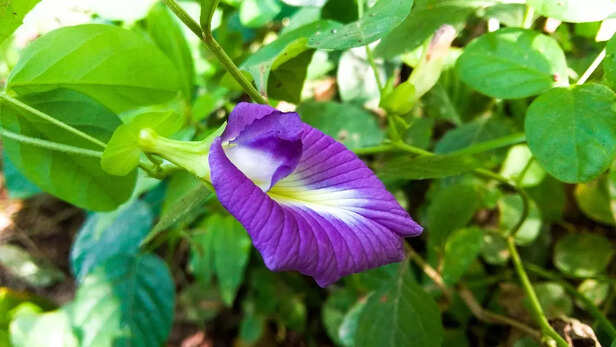
Aparajita flower
Image credit : Pixabay
The most common Aparajita flower is deep blue. In spiritual science, blue represents calmness, truth, and higher awareness. The color blue is linked with Lord Krishna and Lord Shiva. It represents infinity and depth. When this plant blooms, it adds peaceful vibration to the surroundings. Even psychologically, blue reduces stress and anxiety. A calm environment reduces negative thoughts. So, while people say it does not attract negativity, the real meaning is this: it creates peace, and peace pushes negativity away naturally.
Used in Sacred Worship

lord shiva
Image credit : chatgpt(ai)
Aparajita flowers are offered in temples and during daily prayers. It is especially dear to Goddess Durga and Lord Vishnu. When a plant becomes part of prayer, it gains emotional and cultural importance. Families feel spiritually connected when they pluck fresh flowers for puja from their own home. This daily ritual builds positivity. The act of caring for a sacred plant increases mindfulness and gratitude. Over time, this positive routine strengthens family harmony. That is why Aparajita is seen not just as a plant, but as a divine companion.
Easy to Grow, Easy to Maintain
Natural Positivity and Medicinal Value
Is Aparajita Really a Negative Energy Blocker
Aparajita represents victory. Its blue color creates calmness. Its presence in prayer builds positivity. Its easy growth spreads joy. Its medicinal use adds real value. When positivity increases, negativity automatically reduces. That is why Aparajita is considered spiritually powerful. Planting it at home is not about superstition. It is about inviting peace, strength, and sacred connection into daily life. In a world full of stress and competition, even a small blue flower can remind us: Stay calm. Stay strong. Stay undefeated. And maybe that is the real power of Aparajita.
Unlock insightful tips and inspiration on personal growth, productivity, and well-being. Stay motivated and updated with the latest at My Life XP.
Frequently Asked Questions (FAQs)
Aparajita is a sacred flowering vine known scientifically as Clitoria ternatea. It produces beautiful blue or white flowers and is commonly called Butterfly Pea. In Indian tradition, it is considered spiritually powerful and is often grown in homes and temples.
2. Why is Aparajita considered spiritual?
The name “Aparajita” means “undefeated.” It is associated with Goddess Durga and symbolizes victory over negative forces. The deep blue color represents calmness, divine energy, and protection, which is why many people believe it brings positive vibrations.
3. Does the Aparajita plant really remove negative energy?
There is no scientific proof that it blocks negative energy. However, its spiritual symbolism, calming color, and use in prayer create a peaceful atmosphere. A peaceful environment naturally reduces stress and negative thoughts.
4. Where should Aparajita be planted at home?
Many people plant Aparajita near the entrance, balcony, or home temple area. According to traditional beliefs and Vastu ideas, placing it near the entrance symbolizes protection and positivity.
5. Is Aparajita easy to grow?
Yes, it is very easy to grow. It needs moderate sunlight, regular watering, and simple care. It grows as a climbing vine and adapts well to Indian weather conditions.