Modi Nears Nehru’s Record: The Economic Truth Nobody Talks About
Noopur Kumari | Jun 10, 2026, 10:00 IST
India doubled its economy. UPI changed how an entire nation pays. Millions entered the financial system for the first time. Roads, railways, and digital infrastructure expanded at record speed. But despite all the celebrations, one crucial goal remains elusive. As Modi approaches a historic political milestone, the real question isn't how much India has grown it's whether the country's biggest economic dreams are finally within reach.

Twelve years ago, India stood at a crucial crossroads. Growth was slowing, infrastructure gaps were visible, and millions remained outside the formal economy. Today, as Prime Minister Narendra Modi prepares to surpass Jawaharlal Nehru's record as India's longest-serving continuously elected Prime Minister, the country looks dramatically different. The numbers tell a remarkable story. India's economy has doubled, digital payments have reshaped daily life, highways have expanded across the nation, and welfare programs now reach hundreds of millions. Yet behind these achievements lies a more complex reality one that includes unfinished ambitions, employment challenges, and a manufacturing sector still chasing its long-promised breakthrough. This is the story of how India changed over 12 years and what it means for the future.
![Narendra Modi Taking Office in 2014]()
In May 2014, India was a $2 trillion economy searching for momentum. Investors wanted stability, businesses sought reforms, and citizens expected faster development. Few could have predicted the scale of transformation that would follow. Over the next twelve years, economic policy increasingly focused on infrastructure, digitisation, financial inclusion, and welfare delivery. While challenges remained, the direction was clear: build the foundations for long-term growth. As Modi now approaches Nehru's record, the economic journey that began in 2014 has become one of the defining stories of modern India.
![India's Rising GDP Growth Curve]()
Perhaps the most eye-catching achievement is the sheer size of the economy. India's GDP has grown from roughly $2 trillion in 2014 to more than $4 trillion today. This expansion was driven by consumption, investment, services, technology, and public spending. Even amid global disruptions, India maintained its position among the fastest-growing major economies. Rising foreign exchange reserves and stronger macroeconomic stability further boosted confidence. While economic rankings fluctuate due to currency movements, India's rise in global economic influence is undeniable and continues to attract worldwide attention.
A decade ago, cash dominated daily transactions. Today, a simple QR code completes millions of payments every minute. UPI has become one of the world's largest real-time payment systems, processing billions of transactions every month. From small tea stalls to large retailers, digital payments have become routine. The success of UPI is not just about technology it represents a fundamental shift in how Indians interact with money. What started as a digital experiment evolved into a global model, attracting attention from countries seeking similar payment solutions.
Roads, railways, airports, ports, and logistics networks became central to India's growth strategy. Thousands of kilometres of highways were built, railway electrification reached historic levels, and modern train services expanded rapidly. The government's belief was straightforward: better infrastructure lowers costs, improves connectivity, and encourages private investment. Massive public capital expenditure became a consistent feature of annual budgets. While the benefits take time to fully materialise, infrastructure development has fundamentally changed how people, goods, and businesses move across the country.
One of the most significant but less visible changes was the expansion of financial participation. Jan Dhan accounts connected millions to banking services, while digital platforms made investing accessible to ordinary households. Record mutual fund SIP investments and a surge in demat accounts reflect a new investment culture. Many Indians who previously relied solely on savings accounts or physical assets now participate in financial markets. This shift has strengthened domestic investment and reduced dependence on foreign capital flows during periods of market uncertainty.
Technology enabled welfare benefits to reach people on a scale previously difficult to imagine. Health insurance under Ayushman Bharat, LPG connections through Ujjwala, rural housing projects, and household water connections expanded significantly. Direct benefit transfers reduced leakages and improved efficiency. For many families, these programs brought tangible improvements to daily life. While debates continue about implementation and effectiveness, few deny the scale at which welfare delivery has expanded. The combination of technology and governance created one of the world's largest social support networks.
Despite impressive progress, not every target has been achieved. Manufacturing remains below long-term ambitions, contributing far less to GDP than policymakers originally hoped. Employment continues to attract close scrutiny, particularly among young workers entering the labour force each year. While formalisation has increased and sectors like electronics and defence manufacturing have expanded, creating enough high-quality jobs remains a major challenge. For many economists, the next chapter of India's growth story will depend on whether manufacturing can become the engine that policymakers envisioned more than a decade ago.
Unlock insightful tips and inspiration on personal growth, productivity, and well-being. Stay motivated and updated with the latest at My Life XP.
1. How much has India's economy grown during Modi's tenure?
India's economy has grown from approximately $2 trillion in 2014 to over $4 trillion in 2026, making it one of the fastest-growing major economies in the world.
2. What is considered the biggest economic achievement of the Modi government?
Many experts consider the rise of UPI (Unified Payments Interface) and India's digital payment revolution as one of the most transformative economic achievements, changing how millions of Indians conduct daily transactions.
3. How has infrastructure changed in the last 12 years?
India has significantly expanded its infrastructure through new highways, railway modernization, airport development, metro projects, and large-scale public capital expenditure aimed at improving connectivity and boosting economic growth.
4. What role has UPI played in India's economic transformation?
UPI has made digital payments simple, fast, and accessible. From street vendors to large businesses, it has become an integral part of everyday commerce and has positioned India as a global leader in real-time digital payments.
5. Has financial inclusion improved since 2014?
Yes. Through initiatives such as Jan Dhan Yojana, millions of previously unbanked citizens gained access to banking services, while retail participation in stock markets and mutual funds has grown dramatically.
The Day India's Economic Story Changed
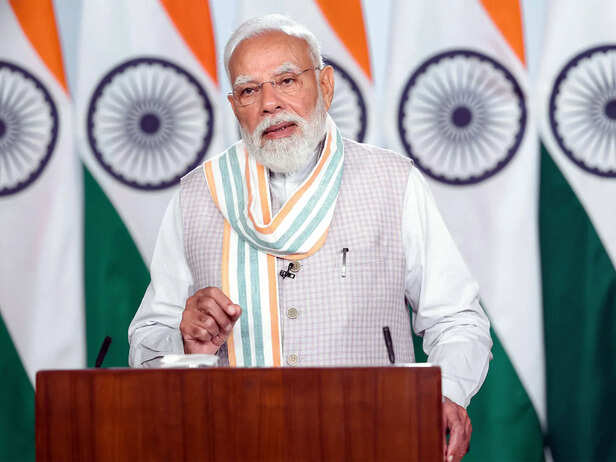
Narendra Modi Taking Office in 2014
In May 2014, India was a $2 trillion economy searching for momentum. Investors wanted stability, businesses sought reforms, and citizens expected faster development. Few could have predicted the scale of transformation that would follow. Over the next twelve years, economic policy increasingly focused on infrastructure, digitisation, financial inclusion, and welfare delivery. While challenges remained, the direction was clear: build the foundations for long-term growth. As Modi now approaches Nehru's record, the economic journey that began in 2014 has become one of the defining stories of modern India.
How India Became a $4 Trillion Economy
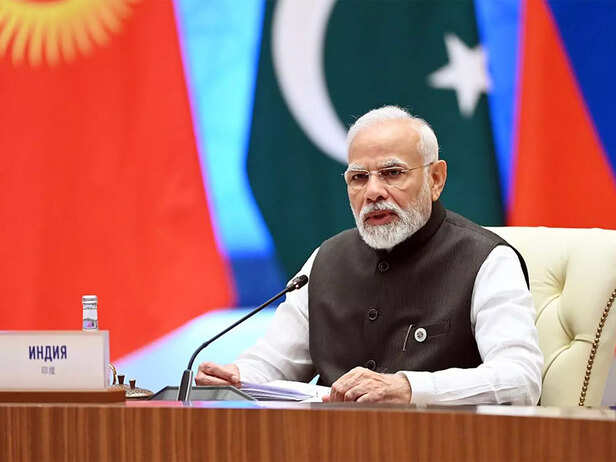
India's Rising GDP Growth Curve
Perhaps the most eye-catching achievement is the sheer size of the economy. India's GDP has grown from roughly $2 trillion in 2014 to more than $4 trillion today. This expansion was driven by consumption, investment, services, technology, and public spending. Even amid global disruptions, India maintained its position among the fastest-growing major economies. Rising foreign exchange reserves and stronger macroeconomic stability further boosted confidence. While economic rankings fluctuate due to currency movements, India's rise in global economic influence is undeniable and continues to attract worldwide attention.
The UPI Revolution Nobody Saw Coming
The Infrastructure Push That Redefined Growth
Millions Joined India's Financial Mainstream
Welfare Programs Reached Unprecedented Scale
The Challenge That Still Refuses to Disappear
Unlock insightful tips and inspiration on personal growth, productivity, and well-being. Stay motivated and updated with the latest at My Life XP.
Frequently Asked Questions (FAQs)
India's economy has grown from approximately $2 trillion in 2014 to over $4 trillion in 2026, making it one of the fastest-growing major economies in the world.
2. What is considered the biggest economic achievement of the Modi government?
Many experts consider the rise of UPI (Unified Payments Interface) and India's digital payment revolution as one of the most transformative economic achievements, changing how millions of Indians conduct daily transactions.
3. How has infrastructure changed in the last 12 years?
India has significantly expanded its infrastructure through new highways, railway modernization, airport development, metro projects, and large-scale public capital expenditure aimed at improving connectivity and boosting economic growth.
4. What role has UPI played in India's economic transformation?
UPI has made digital payments simple, fast, and accessible. From street vendors to large businesses, it has become an integral part of everyday commerce and has positioned India as a global leader in real-time digital payments.
5. Has financial inclusion improved since 2014?
Yes. Through initiatives such as Jan Dhan Yojana, millions of previously unbanked citizens gained access to banking services, while retail participation in stock markets and mutual funds has grown dramatically.