One Missed Check, Big Danger: What You Must Do Before Taking a Cylinder
Noopur Kumari | Fri, 10 Apr 2026
A routine LPG delivery may look harmless, but it can hide serious risks if ignored. Small mistakes during acceptance can quietly lead to major accidents later. A simple safety seal, often overlooked, can actually protect your life. The weight check that many people skip can reveal hidden issues. Even the code printed on the cylinder carries important safety information most don’t notice. These are not complicated steps just simple, quick checks. Yet, they play a powerful role in keeping your home safe, secure, and free from preventable dangers.

Govt increases booking period for LPG cylinder to check hoarding
Image credit : IANS
What if the biggest danger in your home arrives quietly right at your doorstep? An LPG cylinder feels routine. You receive it, place it in the kitchen, and move on without a second thought. But with recent supply delays and rising demand, important safety checks are often ignored and that’s where real risk begins. A missing seal, incorrect weight, or unnoticed leak can turn a normal delivery into a serious hazard. Most accidents don’t happen suddenly; they build from small oversights. That’s why safety doesn’t begin after installation. It begins the moment the cylinder reaches your door and depends on the checks you choose not to skip.
![Kolkata, Mar 13 (ANI): A woman sits on top of one of the empty LPG cylinders in ...]()
The first thing to check is the safety seal on the cylinder nozzle. This cap is not just plastic it confirms that the cylinder hasn’t been tampered with. If the seal is missing, broken, or loose, do not accept it. Ask for a replacement immediately. Many people ignore this step in a hurry, but it is your first line of defense. A sealed cylinder means controlled handling from the source to your home. Without it, the risk of leakage increases significantly, turning a simple delivery into a potential hazard.
![A boy sits on a gas cylinder to refill LPG cylinders outsi...]()
Before accepting the cylinder, always check its weight. It’s not just about getting what you paid for it’s about safety too. An underweight cylinder may indicate leakage or improper filling. Ask the delivery person to weigh it in front of you using a proper scale. Every cylinder has a standard weight including the empty weight (tare weight) printed on it. Compare carefully. If anything feels off, don’t hesitate to refuse. This small step ensures both fairness and safety, protecting you from hidden issues that might go unnoticed.
Gas leaks are not always obvious, but they are extremely dangerous. When you receive a cylinder, check for any unusual smell near the valve area. Even a slight odor can indicate leakage. Never ignore it. If you suspect a leak, do not accept the cylinder. If the issue appears after installation, turn off the regulator immediately and contact your gas agency. Never use a flame to test leakage use a soap solution if needed. Early detection can prevent serious accidents, making this one of the most critical checks.
Every LPG cylinder carries a safety testing code printed on it. This code tells you when the cylinder is due for its next inspection. The letters A, B, C, and D represent quarters of the year January to March, April to June, July to September, and October to December. If the date has already passed, the cylinder is overdue for testing and may not be safe. Most people overlook this detail, but it’s crucial. Checking this code ensures that the cylinder has been tested and approved for safe use.
In most cases, people accept cylinders quickly without proper checks, especially during busy hours. This habit increases risk. Take your time. Check the seal, confirm the weight, inspect for leaks, and read the safety code. These steps take only a few minutes but can prevent serious consequences. Never feel pressured by the delivery person to hurry. Your safety comes first. Treat every delivery as important, because one careless moment can lead to problems that are much harder to fix later.
Unlock insightful tips and inspiration on personal growth, productivity, and well-being. Stay motivated and updated with the latest at My Life XP.
1. How can I check if the LPG cylinder seal is safe?
Look at the safety cap on the nozzle. It should be tightly sealed and not broken or loose. If the seal is missing or damaged, do not accept the cylinder and ask for a replacement immediately.
2. Is it necessary to check the cylinder weight every time?
Yes, always. The weight ensures you are receiving the correct quantity and that there is no leakage or underfilling. Always ask the delivery person to weigh it in front of you.
3. How do I detect a gas leak safely?
You can smell LPG easily due to its strong odor. If you suspect a leak, avoid using fire or electrical switches. Use a soap solution to check for bubbles near the valve and contact your gas agency immediately.
4. What is the cylinder safety testing code?
It is a code printed on the cylinder showing when it is due for testing. Letters A, B, C, and D represent different quarters of the year. Avoid cylinders that are overdue for testing.
5. What should I do if I find a problem after accepting the cylinder?
Turn off the regulator immediately and contact your gas agency. Do not try to fix the issue yourself, and ensure proper ventilation in the area.
The Seal That Tells the Truth
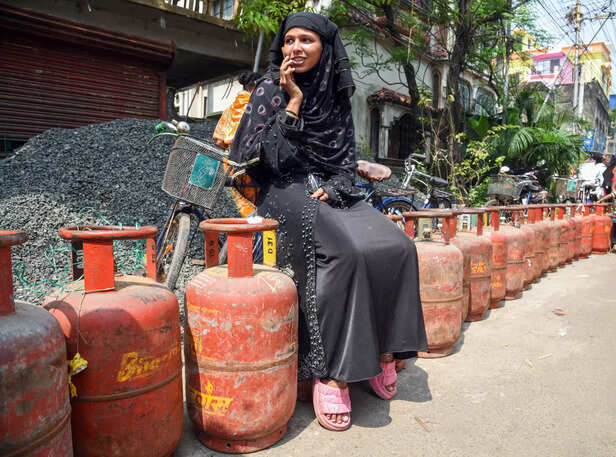
Kolkata, Mar 13 (ANI): A woman sits on top of one of the empty LPG cylinders in ...
Image credit : ANI
The first thing to check is the safety seal on the cylinder nozzle. This cap is not just plastic it confirms that the cylinder hasn’t been tampered with. If the seal is missing, broken, or loose, do not accept it. Ask for a replacement immediately. Many people ignore this step in a hurry, but it is your first line of defense. A sealed cylinder means controlled handling from the source to your home. Without it, the risk of leakage increases significantly, turning a simple delivery into a potential hazard.
Why Weight Matters More Than You Think
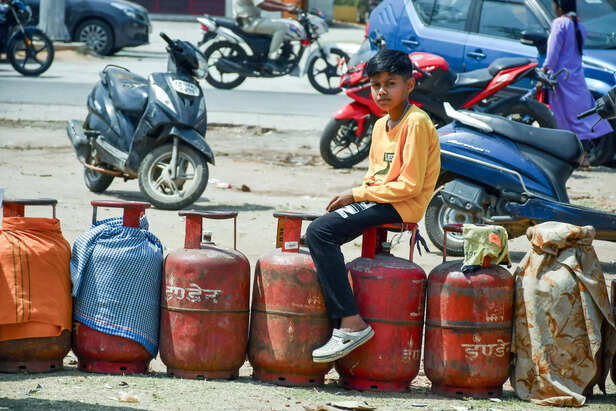
A boy sits on a gas cylinder to refill LPG cylinders outsi...
Image credit : ANI
Before accepting the cylinder, always check its weight. It’s not just about getting what you paid for it’s about safety too. An underweight cylinder may indicate leakage or improper filling. Ask the delivery person to weigh it in front of you using a proper scale. Every cylinder has a standard weight including the empty weight (tare weight) printed on it. Compare carefully. If anything feels off, don’t hesitate to refuse. This small step ensures both fairness and safety, protecting you from hidden issues that might go unnoticed.
The Silent Danger of Gas Leaks
The Hidden Code Most People Ignore
Don’t Rush the Delivery Process
Unlock insightful tips and inspiration on personal growth, productivity, and well-being. Stay motivated and updated with the latest at My Life XP.
Frequently Asked Questions (FAQs)
Look at the safety cap on the nozzle. It should be tightly sealed and not broken or loose. If the seal is missing or damaged, do not accept the cylinder and ask for a replacement immediately.
2. Is it necessary to check the cylinder weight every time?
Yes, always. The weight ensures you are receiving the correct quantity and that there is no leakage or underfilling. Always ask the delivery person to weigh it in front of you.
3. How do I detect a gas leak safely?
You can smell LPG easily due to its strong odor. If you suspect a leak, avoid using fire or electrical switches. Use a soap solution to check for bubbles near the valve and contact your gas agency immediately.
4. What is the cylinder safety testing code?
It is a code printed on the cylinder showing when it is due for testing. Letters A, B, C, and D represent different quarters of the year. Avoid cylinders that are overdue for testing.
5. What should I do if I find a problem after accepting the cylinder?
Turn off the regulator immediately and contact your gas agency. Do not try to fix the issue yourself, and ensure proper ventilation in the area.